Ayça Demir Yildirim, Tuğba Yilmaz Esencan, Büşra Ata
{"title":"监测劳动的另一种方法:紫色线。","authors":"Ayça Demir Yildirim, Tuğba Yilmaz Esencan, Büşra Ata","doi":"10.1186/s12884-025-07300-0","DOIUrl":null,"url":null,"abstract":"<p><strong>Background: </strong>Current methods used to assess the progress of labor are often invasive and may cause discomfort to the mother. The purple line offers potential as a non-invasive marker for monitoring the labor process. However, its sensitivity and specificity in assessing critical components of labor, such as cervical dilatation and fetal descent, have not been adequately studied in different populations. This study was conducted to evaluate the effectiveness of the purple line, a method for assessing labor progress.</p><p><strong>Methods: </strong>Data for this observational study were collected from 304 pregnant women who presented to a maternity hospital for birth on the Anatolian side of Istanbul between May and November 2021. The inclusion criteria for the study were that women were 38-42 weeks of gestation, spontaneous labor had started and were in active labor phase. Participants were selected by random sampling method among women who met the study criteria during labor. Data collection included demographic information, partograph records, and measurements of the purple line. Women's birth was assessed and documented on a partogram, with the purple line measured hourly via a disposable tape measure until birth. Descriptive analyses including means and standard deviations, medians and interquartile ranges, and cut-off point and sensitivity-specificity (ROC) values were performed for data analysis.</p><p><strong>Results: </strong>A purple line was seen in 85.9% of pregnant women at any stage of labour, with a specificity of 86% and sensitivity of 65%. During the active phase of labor, the measurements of the purple line length in the sacral region increased proportionally with cervical dilatation. The sensitivity was 56%, and the specificity was 65% when the fetal head descent reached the - 2 level.</p><p><strong>Conclusions: </strong>In conclusion, the purple line in the sacral region is a non-invasive method to assess the course of labor and can be used as an adjunct to vaginal examinations and may reduce the number of vaginal examinations in clinical settings.</p>","PeriodicalId":9033,"journal":{"name":"BMC Pregnancy and Childbirth","volume":"25 1","pages":"180"},"PeriodicalIF":3.1000,"publicationDate":"2025-02-18","publicationTypes":"Journal Article","fieldsOfStudy":null,"isOpenAccess":false,"openAccessPdf":"https://www.ncbi.nlm.nih.gov/pmc/articles/PMC11837608/pdf/","citationCount":"0","resultStr":"{\"title\":\"Alternative approach to monitoring labor: purple line.\",\"authors\":\"Ayça Demir Yildirim, Tuğba Yilmaz Esencan, Büşra Ata\",\"doi\":\"10.1186/s12884-025-07300-0\",\"DOIUrl\":null,\"url\":null,\"abstract\":\"<p><strong>Background: </strong>Current methods used to assess the progress of labor are often invasive and may cause discomfort to the mother. The purple line offers potential as a non-invasive marker for monitoring the labor process. However, its sensitivity and specificity in assessing critical components of labor, such as cervical dilatation and fetal descent, have not been adequately studied in different populations. This study was conducted to evaluate the effectiveness of the purple line, a method for assessing labor progress.</p><p><strong>Methods: </strong>Data for this observational study were collected from 304 pregnant women who presented to a maternity hospital for birth on the Anatolian side of Istanbul between May and November 2021. The inclusion criteria for the study were that women were 38-42 weeks of gestation, spontaneous labor had started and were in active labor phase. Participants were selected by random sampling method among women who met the study criteria during labor. Data collection included demographic information, partograph records, and measurements of the purple line. Women's birth was assessed and documented on a partogram, with the purple line measured hourly via a disposable tape measure until birth. Descriptive analyses including means and standard deviations, medians and interquartile ranges, and cut-off point and sensitivity-specificity (ROC) values were performed for data analysis.</p><p><strong>Results: </strong>A purple line was seen in 85.9% of pregnant women at any stage of labour, with a specificity of 86% and sensitivity of 65%. During the active phase of labor, the measurements of the purple line length in the sacral region increased proportionally with cervical dilatation. The sensitivity was 56%, and the specificity was 65% when the fetal head descent reached the - 2 level.</p><p><strong>Conclusions: </strong>In conclusion, the purple line in the sacral region is a non-invasive method to assess the course of labor and can be used as an adjunct to vaginal examinations and may reduce the number of vaginal examinations in clinical settings.</p>\",\"PeriodicalId\":9033,\"journal\":{\"name\":\"BMC Pregnancy and Childbirth\",\"volume\":\"25 1\",\"pages\":\"180\"},\"PeriodicalIF\":3.1000,\"publicationDate\":\"2025-02-18\",\"publicationTypes\":\"Journal Article\",\"fieldsOfStudy\":null,\"isOpenAccess\":false,\"openAccessPdf\":\"https://www.ncbi.nlm.nih.gov/pmc/articles/PMC11837608/pdf/\",\"citationCount\":\"0\",\"resultStr\":null,\"platform\":\"Semanticscholar\",\"paperid\":null,\"PeriodicalName\":\"BMC Pregnancy and Childbirth\",\"FirstCategoryId\":\"3\",\"ListUrlMain\":\"https://doi.org/10.1186/s12884-025-07300-0\",\"RegionNum\":2,\"RegionCategory\":\"医学\",\"ArticlePicture\":[],\"TitleCN\":null,\"AbstractTextCN\":null,\"PMCID\":null,\"EPubDate\":\"\",\"PubModel\":\"\",\"JCR\":\"Q1\",\"JCRName\":\"OBSTETRICS & GYNECOLOGY\",\"Score\":null,\"Total\":0}","platform":"Semanticscholar","paperid":null,"PeriodicalName":"BMC Pregnancy and Childbirth","FirstCategoryId":"3","ListUrlMain":"https://doi.org/10.1186/s12884-025-07300-0","RegionNum":2,"RegionCategory":"医学","ArticlePicture":[],"TitleCN":null,"AbstractTextCN":null,"PMCID":null,"EPubDate":"","PubModel":"","JCR":"Q1","JCRName":"OBSTETRICS & GYNECOLOGY","Score":null,"Total":0}
Alternative approach to monitoring labor: purple line.
Background: Current methods used to assess the progress of labor are often invasive and may cause discomfort to the mother. The purple line offers potential as a non-invasive marker for monitoring the labor process. However, its sensitivity and specificity in assessing critical components of labor, such as cervical dilatation and fetal descent, have not been adequately studied in different populations. This study was conducted to evaluate the effectiveness of the purple line, a method for assessing labor progress.
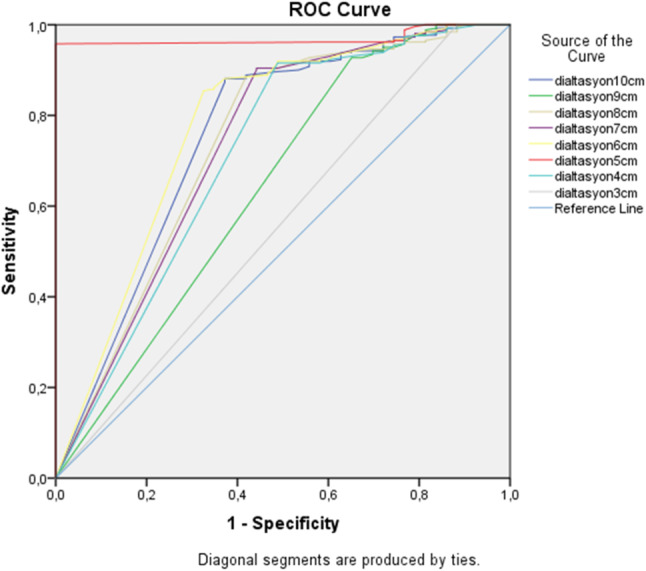
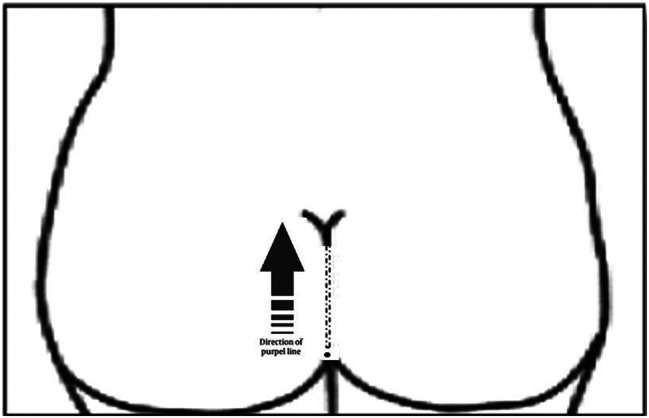
Methods: Data for this observational study were collected from 304 pregnant women who presented to a maternity hospital for birth on the Anatolian side of Istanbul between May and November 2021. The inclusion criteria for the study were that women were 38-42 weeks of gestation, spontaneous labor had started and were in active labor phase. Participants were selected by random sampling method among women who met the study criteria during labor. Data collection included demographic information, partograph records, and measurements of the purple line. Women's birth was assessed and documented on a partogram, with the purple line measured hourly via a disposable tape measure until birth. Descriptive analyses including means and standard deviations, medians and interquartile ranges, and cut-off point and sensitivity-specificity (ROC) values were performed for data analysis.
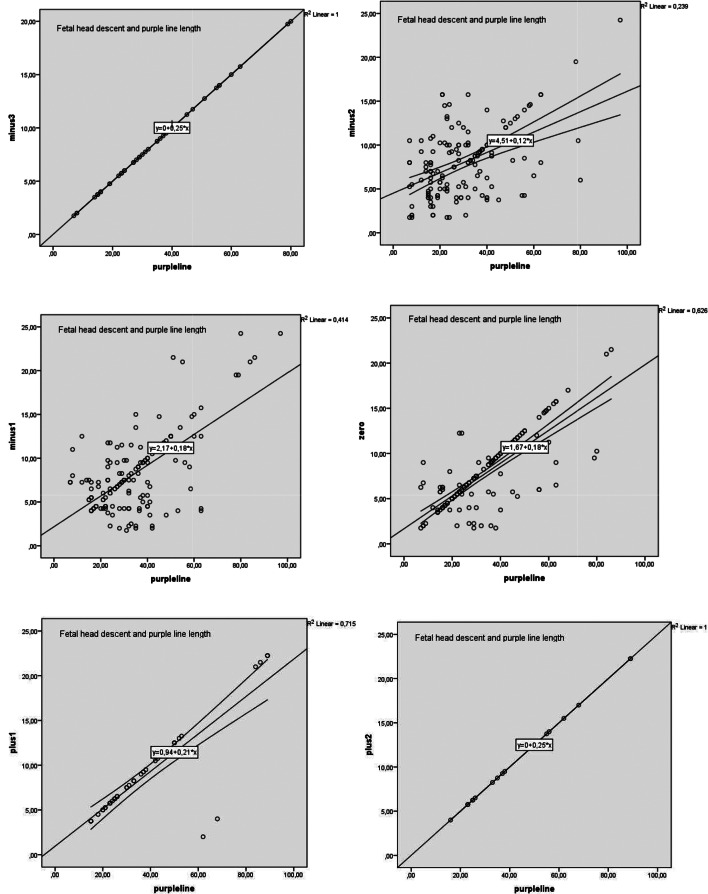
Results: A purple line was seen in 85.9% of pregnant women at any stage of labour, with a specificity of 86% and sensitivity of 65%. During the active phase of labor, the measurements of the purple line length in the sacral region increased proportionally with cervical dilatation. The sensitivity was 56%, and the specificity was 65% when the fetal head descent reached the - 2 level.
Conclusions: In conclusion, the purple line in the sacral region is a non-invasive method to assess the course of labor and can be used as an adjunct to vaginal examinations and may reduce the number of vaginal examinations in clinical settings.
期刊介绍:
BMC Pregnancy & Childbirth is an open access, peer-reviewed journal that considers articles on all aspects of pregnancy and childbirth. The journal welcomes submissions on the biomedical aspects of pregnancy, breastfeeding, labor, maternal health, maternity care, trends and sociological aspects of pregnancy and childbirth.




 京公网安备 11010802042870号
京ICP备2023020795号-1
京公网安备 11010802042870号
京ICP备2023020795号-1

 分享
分享
 求助内容:
求助内容: 应助结果提醒方式:
 扫码关注我们
