{"title":"与抗lgi1抗体相关的自身免疫性脑炎:神经精神系统性红斑狼疮的潜在原因","authors":"Sixian Chen, Haitao Ren, Siyuan Fan, Shangzhu Zhang, Mengtao Li, Hongzhi Guan","doi":"10.1136/lupus-2024-001429","DOIUrl":null,"url":null,"abstract":"<p><strong>Objective: </strong>To investigate the clinical features and treatment outcomes of anti-leucine-rich glioma-inactivated 1 (anti-LGI1) encephalitis in patients with SLE.</p><p><strong>Methods: </strong>Between October 2014 and April 2024, serum or cerebrospinal fluid samples were collected from 332 patients with SLE suspected of autoimmune encephalitis. Cell-based assays were used to detect autoimmune antibodies, including anti-LGI1 antibodies. Four patients tested positive for anti-LGI1 antibodies, and their clinical, radiological and treatment data were analysed.</p><p><strong>Results: </strong>All four patients exhibited signs of limbic encephalitis, including short-term memory deficits, seizures and psychiatric disturbances. Two cases also presented with faciobrachial dystonic seizures. MRI findings revealed hyperintense basal ganglia lesions in two patients. Treatment with corticosteroids, intravenous immunoglobulin and mycophenolate mofetil led to significant improvement in three patients, with no relapses during a follow-up period ranging from 33 to 60 months. One patient succumbed to pneumonia despite initial improvement of neurological function.</p><p><strong>Conclusion: </strong>Screening for anti-LGI1 antibodies in patients with neuropsychiatric systemic lupus erythematosus (NPSLE) is crucial when limbic encephalitis presents, as it enables timely and effective treatment, potentially improving patients' outcomes. Additional basic and clinical research is required to clarify the pathogenic role of these antibodies in NPSLE.</p>","PeriodicalId":18126,"journal":{"name":"Lupus Science & Medicine","volume":"12 1","pages":""},"PeriodicalIF":3.5000,"publicationDate":"2025-02-18","publicationTypes":"Journal Article","fieldsOfStudy":null,"isOpenAccess":false,"openAccessPdf":"https://www.ncbi.nlm.nih.gov/pmc/articles/PMC11836784/pdf/","citationCount":"0","resultStr":"{\"title\":\"Autoimmune encephalitis associated with anti-LGI1 antibody: a potential cause of neuropsychiatric systemic lupus erythematosus.\",\"authors\":\"Sixian Chen, Haitao Ren, Siyuan Fan, Shangzhu Zhang, Mengtao Li, Hongzhi Guan\",\"doi\":\"10.1136/lupus-2024-001429\",\"DOIUrl\":null,\"url\":null,\"abstract\":\"<p><strong>Objective: </strong>To investigate the clinical features and treatment outcomes of anti-leucine-rich glioma-inactivated 1 (anti-LGI1) encephalitis in patients with SLE.</p><p><strong>Methods: </strong>Between October 2014 and April 2024, serum or cerebrospinal fluid samples were collected from 332 patients with SLE suspected of autoimmune encephalitis. Cell-based assays were used to detect autoimmune antibodies, including anti-LGI1 antibodies. Four patients tested positive for anti-LGI1 antibodies, and their clinical, radiological and treatment data were analysed.</p><p><strong>Results: </strong>All four patients exhibited signs of limbic encephalitis, including short-term memory deficits, seizures and psychiatric disturbances. Two cases also presented with faciobrachial dystonic seizures. MRI findings revealed hyperintense basal ganglia lesions in two patients. Treatment with corticosteroids, intravenous immunoglobulin and mycophenolate mofetil led to significant improvement in three patients, with no relapses during a follow-up period ranging from 33 to 60 months. One patient succumbed to pneumonia despite initial improvement of neurological function.</p><p><strong>Conclusion: </strong>Screening for anti-LGI1 antibodies in patients with neuropsychiatric systemic lupus erythematosus (NPSLE) is crucial when limbic encephalitis presents, as it enables timely and effective treatment, potentially improving patients' outcomes. Additional basic and clinical research is required to clarify the pathogenic role of these antibodies in NPSLE.</p>\",\"PeriodicalId\":18126,\"journal\":{\"name\":\"Lupus Science & Medicine\",\"volume\":\"12 1\",\"pages\":\"\"},\"PeriodicalIF\":3.5000,\"publicationDate\":\"2025-02-18\",\"publicationTypes\":\"Journal Article\",\"fieldsOfStudy\":null,\"isOpenAccess\":false,\"openAccessPdf\":\"https://www.ncbi.nlm.nih.gov/pmc/articles/PMC11836784/pdf/\",\"citationCount\":\"0\",\"resultStr\":null,\"platform\":\"Semanticscholar\",\"paperid\":null,\"PeriodicalName\":\"Lupus Science & Medicine\",\"FirstCategoryId\":\"3\",\"ListUrlMain\":\"https://doi.org/10.1136/lupus-2024-001429\",\"RegionNum\":2,\"RegionCategory\":\"医学\",\"ArticlePicture\":[],\"TitleCN\":null,\"AbstractTextCN\":null,\"PMCID\":null,\"EPubDate\":\"\",\"PubModel\":\"\",\"JCR\":\"Q1\",\"JCRName\":\"RHEUMATOLOGY\",\"Score\":null,\"Total\":0}","platform":"Semanticscholar","paperid":null,"PeriodicalName":"Lupus Science & Medicine","FirstCategoryId":"3","ListUrlMain":"https://doi.org/10.1136/lupus-2024-001429","RegionNum":2,"RegionCategory":"医学","ArticlePicture":[],"TitleCN":null,"AbstractTextCN":null,"PMCID":null,"EPubDate":"","PubModel":"","JCR":"Q1","JCRName":"RHEUMATOLOGY","Score":null,"Total":0}
Autoimmune encephalitis associated with anti-LGI1 antibody: a potential cause of neuropsychiatric systemic lupus erythematosus.
Objective: To investigate the clinical features and treatment outcomes of anti-leucine-rich glioma-inactivated 1 (anti-LGI1) encephalitis in patients with SLE.
Methods: Between October 2014 and April 2024, serum or cerebrospinal fluid samples were collected from 332 patients with SLE suspected of autoimmune encephalitis. Cell-based assays were used to detect autoimmune antibodies, including anti-LGI1 antibodies. Four patients tested positive for anti-LGI1 antibodies, and their clinical, radiological and treatment data were analysed.
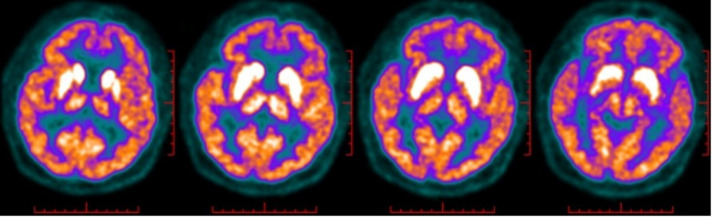
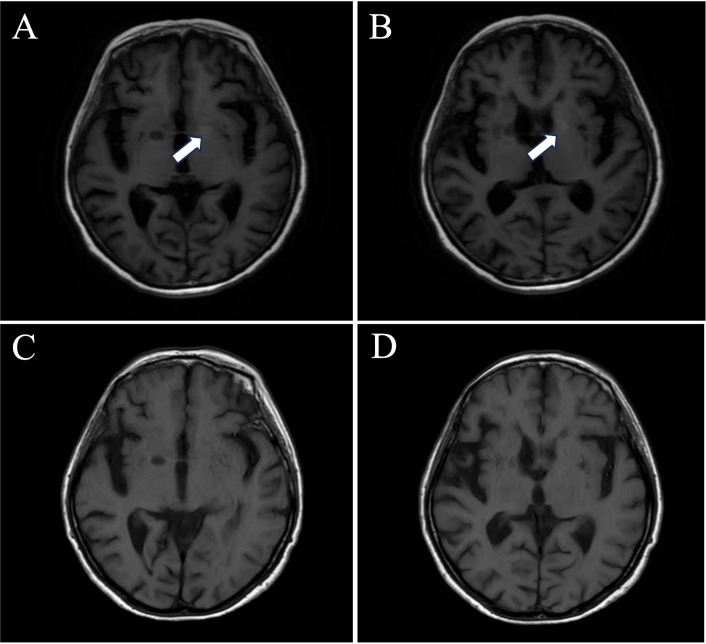
Results: All four patients exhibited signs of limbic encephalitis, including short-term memory deficits, seizures and psychiatric disturbances. Two cases also presented with faciobrachial dystonic seizures. MRI findings revealed hyperintense basal ganglia lesions in two patients. Treatment with corticosteroids, intravenous immunoglobulin and mycophenolate mofetil led to significant improvement in three patients, with no relapses during a follow-up period ranging from 33 to 60 months. One patient succumbed to pneumonia despite initial improvement of neurological function.
Conclusion: Screening for anti-LGI1 antibodies in patients with neuropsychiatric systemic lupus erythematosus (NPSLE) is crucial when limbic encephalitis presents, as it enables timely and effective treatment, potentially improving patients' outcomes. Additional basic and clinical research is required to clarify the pathogenic role of these antibodies in NPSLE.
期刊介绍:
Lupus Science & Medicine is a global, peer reviewed, open access online journal that provides a central point for publication of basic, clinical, translational, and epidemiological studies of all aspects of lupus and related diseases. It is the first lupus-specific open access journal in the world and was developed in response to the need for a barrier-free forum for publication of groundbreaking studies in lupus. The journal publishes research on lupus from fields including, but not limited to: rheumatology, dermatology, nephrology, immunology, pediatrics, cardiology, hepatology, pulmonology, obstetrics and gynecology, and psychiatry.




 京公网安备 11010802042870号
京ICP备2023020795号-1
京公网安备 11010802042870号
京ICP备2023020795号-1

 分享
分享
 求助内容:
求助内容: 应助结果提醒方式:
 扫码关注我们
