{"title":"发现SARS-CoV-2变体的广谱抑制剂:针对主要蛋白酶的化学信息学和生物物理方法","authors":"Safar M Alqahtani","doi":"10.3389/fphar.2025.1459581","DOIUrl":null,"url":null,"abstract":"<p><p>The COVID-19 pandemic caused by SARS-CoV-2 still lacks effective antiviral drugs. Therefore, a thorough receptor-based virtual screening study was conducted to screen different natural and synthetic drug libraries, such as the Asinex Antiviral, Seaweed Metabolite Database, Medicinal Fungi Secondary Metabolite and Therapeutics Library, and Comprehensive Marine Natural Products Database comprising 6,827, 1,191, 1,830, and 45,000 compounds, respectively, against the main protease enzyme of SARS-CoV-2. Accordingly, three drug molecules (BBB-26580140, BDE-32007849, and LAS-51378804) are highlighted as the best binding molecules to the main protease S1 pocket. The docking binding energy scores of BBB-26580140, BDE-32007849, and LAS-51378804 were -13.02, -13.0, and -12.56 kcal/mol, respectively. Compared to the control Z1741970824 molecule with a binding energy score of -11.59 kcal/mol, the lead structures identified herein showed robust hydrophilic and van der Waals interactions with the enzyme active site residues, such as His41 and Cys145, and achieved highly stable binding modes. The simulations showed a stable structure of the main protease enzyme with the shortlisted leads in the pocket, and the network of binding interactions remained intact during the simulations. The overall molecular mechanics with generalized Born and surface area solvation binding energies of the BBB-26580140, BDE-32007849, LAS-51378804, and control molecules are -53.02, -56.85, -55.44, and -48.91 kcal/mol, respectively. Similarly, the net molecular mechanics Poisson-Boltzmann surface area binding energies of BBB-26580140, BDE-32007849, LAS-51378804, and control are -53.6, -57.61, -54.41, and -50.09 kcal/mol, respectively. The binding entropy energies of these systems showed lower free energies, indicating their stable nature. Furthermore, the binding energies were revalidated using the water swap method that considers the role of the water molecules in bridging the ligands to the enzyme active site residues. The compounds also revealed good ADMET properties and followed all major rules of drug-likeness. Thus, these compounds are predicted as promising leads and can be subjected to further experimental studies for evaluation of their biological activities.</p>","PeriodicalId":12491,"journal":{"name":"Frontiers in Pharmacology","volume":"16 ","pages":"1459581"},"PeriodicalIF":4.8000,"publicationDate":"2025-02-05","publicationTypes":"Journal Article","fieldsOfStudy":null,"isOpenAccess":false,"openAccessPdf":"https://www.ncbi.nlm.nih.gov/pmc/articles/PMC11835822/pdf/","citationCount":"0","resultStr":"{\"title\":\"Discovering broad-spectrum inhibitors for SARS-CoV-2 variants: a cheminformatics and biophysical approach targeting the main protease.\",\"authors\":\"Safar M Alqahtani\",\"doi\":\"10.3389/fphar.2025.1459581\",\"DOIUrl\":null,\"url\":null,\"abstract\":\"<p><p>The COVID-19 pandemic caused by SARS-CoV-2 still lacks effective antiviral drugs. Therefore, a thorough receptor-based virtual screening study was conducted to screen different natural and synthetic drug libraries, such as the Asinex Antiviral, Seaweed Metabolite Database, Medicinal Fungi Secondary Metabolite and Therapeutics Library, and Comprehensive Marine Natural Products Database comprising 6,827, 1,191, 1,830, and 45,000 compounds, respectively, against the main protease enzyme of SARS-CoV-2. Accordingly, three drug molecules (BBB-26580140, BDE-32007849, and LAS-51378804) are highlighted as the best binding molecules to the main protease S1 pocket. The docking binding energy scores of BBB-26580140, BDE-32007849, and LAS-51378804 were -13.02, -13.0, and -12.56 kcal/mol, respectively. Compared to the control Z1741970824 molecule with a binding energy score of -11.59 kcal/mol, the lead structures identified herein showed robust hydrophilic and van der Waals interactions with the enzyme active site residues, such as His41 and Cys145, and achieved highly stable binding modes. The simulations showed a stable structure of the main protease enzyme with the shortlisted leads in the pocket, and the network of binding interactions remained intact during the simulations. The overall molecular mechanics with generalized Born and surface area solvation binding energies of the BBB-26580140, BDE-32007849, LAS-51378804, and control molecules are -53.02, -56.85, -55.44, and -48.91 kcal/mol, respectively. Similarly, the net molecular mechanics Poisson-Boltzmann surface area binding energies of BBB-26580140, BDE-32007849, LAS-51378804, and control are -53.6, -57.61, -54.41, and -50.09 kcal/mol, respectively. The binding entropy energies of these systems showed lower free energies, indicating their stable nature. Furthermore, the binding energies were revalidated using the water swap method that considers the role of the water molecules in bridging the ligands to the enzyme active site residues. The compounds also revealed good ADMET properties and followed all major rules of drug-likeness. Thus, these compounds are predicted as promising leads and can be subjected to further experimental studies for evaluation of their biological activities.</p>\",\"PeriodicalId\":12491,\"journal\":{\"name\":\"Frontiers in Pharmacology\",\"volume\":\"16 \",\"pages\":\"1459581\"},\"PeriodicalIF\":4.8000,\"publicationDate\":\"2025-02-05\",\"publicationTypes\":\"Journal Article\",\"fieldsOfStudy\":null,\"isOpenAccess\":false,\"openAccessPdf\":\"https://www.ncbi.nlm.nih.gov/pmc/articles/PMC11835822/pdf/\",\"citationCount\":\"0\",\"resultStr\":null,\"platform\":\"Semanticscholar\",\"paperid\":null,\"PeriodicalName\":\"Frontiers in Pharmacology\",\"FirstCategoryId\":\"3\",\"ListUrlMain\":\"https://doi.org/10.3389/fphar.2025.1459581\",\"RegionNum\":2,\"RegionCategory\":\"医学\",\"ArticlePicture\":[],\"TitleCN\":null,\"AbstractTextCN\":null,\"PMCID\":null,\"EPubDate\":\"2025/1/1 0:00:00\",\"PubModel\":\"eCollection\",\"JCR\":\"Q1\",\"JCRName\":\"PHARMACOLOGY & PHARMACY\",\"Score\":null,\"Total\":0}","platform":"Semanticscholar","paperid":null,"PeriodicalName":"Frontiers in Pharmacology","FirstCategoryId":"3","ListUrlMain":"https://doi.org/10.3389/fphar.2025.1459581","RegionNum":2,"RegionCategory":"医学","ArticlePicture":[],"TitleCN":null,"AbstractTextCN":null,"PMCID":null,"EPubDate":"2025/1/1 0:00:00","PubModel":"eCollection","JCR":"Q1","JCRName":"PHARMACOLOGY & PHARMACY","Score":null,"Total":0}
Discovering broad-spectrum inhibitors for SARS-CoV-2 variants: a cheminformatics and biophysical approach targeting the main protease.
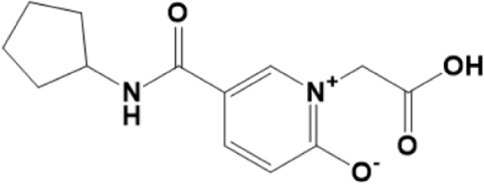
The COVID-19 pandemic caused by SARS-CoV-2 still lacks effective antiviral drugs. Therefore, a thorough receptor-based virtual screening study was conducted to screen different natural and synthetic drug libraries, such as the Asinex Antiviral, Seaweed Metabolite Database, Medicinal Fungi Secondary Metabolite and Therapeutics Library, and Comprehensive Marine Natural Products Database comprising 6,827, 1,191, 1,830, and 45,000 compounds, respectively, against the main protease enzyme of SARS-CoV-2. Accordingly, three drug molecules (BBB-26580140, BDE-32007849, and LAS-51378804) are highlighted as the best binding molecules to the main protease S1 pocket. The docking binding energy scores of BBB-26580140, BDE-32007849, and LAS-51378804 were -13.02, -13.0, and -12.56 kcal/mol, respectively. Compared to the control Z1741970824 molecule with a binding energy score of -11.59 kcal/mol, the lead structures identified herein showed robust hydrophilic and van der Waals interactions with the enzyme active site residues, such as His41 and Cys145, and achieved highly stable binding modes. The simulations showed a stable structure of the main protease enzyme with the shortlisted leads in the pocket, and the network of binding interactions remained intact during the simulations. The overall molecular mechanics with generalized Born and surface area solvation binding energies of the BBB-26580140, BDE-32007849, LAS-51378804, and control molecules are -53.02, -56.85, -55.44, and -48.91 kcal/mol, respectively. Similarly, the net molecular mechanics Poisson-Boltzmann surface area binding energies of BBB-26580140, BDE-32007849, LAS-51378804, and control are -53.6, -57.61, -54.41, and -50.09 kcal/mol, respectively. The binding entropy energies of these systems showed lower free energies, indicating their stable nature. Furthermore, the binding energies were revalidated using the water swap method that considers the role of the water molecules in bridging the ligands to the enzyme active site residues. The compounds also revealed good ADMET properties and followed all major rules of drug-likeness. Thus, these compounds are predicted as promising leads and can be subjected to further experimental studies for evaluation of their biological activities.
期刊介绍:
Frontiers in Pharmacology is a leading journal in its field, publishing rigorously peer-reviewed research across disciplines, including basic and clinical pharmacology, medicinal chemistry, pharmacy and toxicology. Field Chief Editor Heike Wulff at UC Davis is supported by an outstanding Editorial Board of international researchers. This multidisciplinary open-access journal is at the forefront of disseminating and communicating scientific knowledge and impactful discoveries to researchers, academics, clinicians and the public worldwide.





 京公网安备 11010802042870号
京ICP备2023020795号-1
京公网安备 11010802042870号
京ICP备2023020795号-1

 分享
分享
 求助内容:
求助内容: 应助结果提醒方式:
 扫码关注我们
