Theresa Nakoma Ngoma, Victor Taleon, Brighton M Mvumi, Aggrey P Gama, Natalia Palacios-Rojas, Limbikani Matumba
{"title":"全玉米粉可以加强马拉维的粮食和营养安全。","authors":"Theresa Nakoma Ngoma, Victor Taleon, Brighton M Mvumi, Aggrey P Gama, Natalia Palacios-Rojas, Limbikani Matumba","doi":"10.1007/s44187-025-00311-y","DOIUrl":null,"url":null,"abstract":"<p><p>Maize is the staple cereal in Malawi, with a daily per capita consumption of 383 g (dry matter basis), primarily consumed in the form of <i>nsima</i>, a thick porridge. We combined a milling experiment with focus group discussions (FGDs) to provide insights into mass and nutrient losses during maize grain dehulling and maize flour consumption patterns in rural Malawi. Milling batches (30 kg) of four maize grain varieties were dehulled at three abrasive disk dehullers under controlled conditions. The impact of maize variety and dehuller design on mass and nutrient losses during dehulling was statistically significant (p < 0.05), with a mean mass loss of 28.1 ± 5.7%, and nutrient losses of 9.8 ± 1.9% for protein, 61.7 ± 2.0% for zinc, and 47.7 ± 3.6% for iron. Six FGDs conducted in rural areas of Lilongwe District revealed a preference for refined flour due to convenience and cultural norms, despite the nutritional benefits of whole grain flour, which was recognized for its ability to provide satiety, particularly during periods of maize scarcity. Participants also highlighted switching between flour types based on seasonal maize availability, social stigma associated with whole grain flour, and awareness of nutrient losses during dehulling. Given Malawi's precarious food insecurity situation, transitioning from dehulled maize flour <i>nsima</i> to whole maize flour or less refined <i>nsima</i>, is imperative. Our study findings can have food and nutritional savings for other southern Africa countries where the dehulling is a common practice.</p><p><strong>Supplementary information: </strong>The online version contains supplementary material available at 10.1007/s44187-025-00311-y.</p>","PeriodicalId":520360,"journal":{"name":"Discover food","volume":"5 1","pages":"40"},"PeriodicalIF":3.6000,"publicationDate":"2025-01-01","publicationTypes":"Journal Article","fieldsOfStudy":null,"isOpenAccess":false,"openAccessPdf":"https://www.ncbi.nlm.nih.gov/pmc/articles/PMC11832564/pdf/","citationCount":"0","resultStr":"{\"title\":\"Whole maize flour could enhance food and nutrition security in Malawi.\",\"authors\":\"Theresa Nakoma Ngoma, Victor Taleon, Brighton M Mvumi, Aggrey P Gama, Natalia Palacios-Rojas, Limbikani Matumba\",\"doi\":\"10.1007/s44187-025-00311-y\",\"DOIUrl\":null,\"url\":null,\"abstract\":\"<p><p>Maize is the staple cereal in Malawi, with a daily per capita consumption of 383 g (dry matter basis), primarily consumed in the form of <i>nsima</i>, a thick porridge. We combined a milling experiment with focus group discussions (FGDs) to provide insights into mass and nutrient losses during maize grain dehulling and maize flour consumption patterns in rural Malawi. Milling batches (30 kg) of four maize grain varieties were dehulled at three abrasive disk dehullers under controlled conditions. The impact of maize variety and dehuller design on mass and nutrient losses during dehulling was statistically significant (p < 0.05), with a mean mass loss of 28.1 ± 5.7%, and nutrient losses of 9.8 ± 1.9% for protein, 61.7 ± 2.0% for zinc, and 47.7 ± 3.6% for iron. Six FGDs conducted in rural areas of Lilongwe District revealed a preference for refined flour due to convenience and cultural norms, despite the nutritional benefits of whole grain flour, which was recognized for its ability to provide satiety, particularly during periods of maize scarcity. Participants also highlighted switching between flour types based on seasonal maize availability, social stigma associated with whole grain flour, and awareness of nutrient losses during dehulling. Given Malawi's precarious food insecurity situation, transitioning from dehulled maize flour <i>nsima</i> to whole maize flour or less refined <i>nsima</i>, is imperative. Our study findings can have food and nutritional savings for other southern Africa countries where the dehulling is a common practice.</p><p><strong>Supplementary information: </strong>The online version contains supplementary material available at 10.1007/s44187-025-00311-y.</p>\",\"PeriodicalId\":520360,\"journal\":{\"name\":\"Discover food\",\"volume\":\"5 1\",\"pages\":\"40\"},\"PeriodicalIF\":3.6000,\"publicationDate\":\"2025-01-01\",\"publicationTypes\":\"Journal Article\",\"fieldsOfStudy\":null,\"isOpenAccess\":false,\"openAccessPdf\":\"https://www.ncbi.nlm.nih.gov/pmc/articles/PMC11832564/pdf/\",\"citationCount\":\"0\",\"resultStr\":null,\"platform\":\"Semanticscholar\",\"paperid\":null,\"PeriodicalName\":\"Discover food\",\"FirstCategoryId\":\"1085\",\"ListUrlMain\":\"https://doi.org/10.1007/s44187-025-00311-y\",\"RegionNum\":0,\"RegionCategory\":null,\"ArticlePicture\":[],\"TitleCN\":null,\"AbstractTextCN\":null,\"PMCID\":null,\"EPubDate\":\"2025/2/17 0:00:00\",\"PubModel\":\"Epub\",\"JCR\":\"\",\"JCRName\":\"\",\"Score\":null,\"Total\":0}","platform":"Semanticscholar","paperid":null,"PeriodicalName":"Discover food","FirstCategoryId":"1085","ListUrlMain":"https://doi.org/10.1007/s44187-025-00311-y","RegionNum":0,"RegionCategory":null,"ArticlePicture":[],"TitleCN":null,"AbstractTextCN":null,"PMCID":null,"EPubDate":"2025/2/17 0:00:00","PubModel":"Epub","JCR":"","JCRName":"","Score":null,"Total":0}
Whole maize flour could enhance food and nutrition security in Malawi.
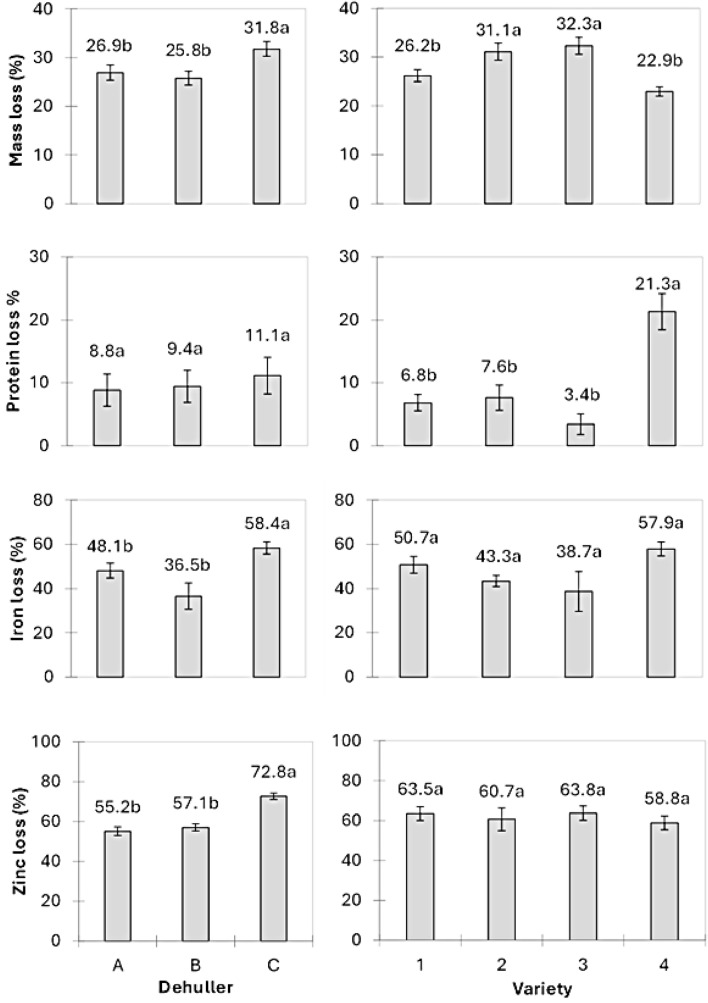
Maize is the staple cereal in Malawi, with a daily per capita consumption of 383 g (dry matter basis), primarily consumed in the form of nsima, a thick porridge. We combined a milling experiment with focus group discussions (FGDs) to provide insights into mass and nutrient losses during maize grain dehulling and maize flour consumption patterns in rural Malawi. Milling batches (30 kg) of four maize grain varieties were dehulled at three abrasive disk dehullers under controlled conditions. The impact of maize variety and dehuller design on mass and nutrient losses during dehulling was statistically significant (p < 0.05), with a mean mass loss of 28.1 ± 5.7%, and nutrient losses of 9.8 ± 1.9% for protein, 61.7 ± 2.0% for zinc, and 47.7 ± 3.6% for iron. Six FGDs conducted in rural areas of Lilongwe District revealed a preference for refined flour due to convenience and cultural norms, despite the nutritional benefits of whole grain flour, which was recognized for its ability to provide satiety, particularly during periods of maize scarcity. Participants also highlighted switching between flour types based on seasonal maize availability, social stigma associated with whole grain flour, and awareness of nutrient losses during dehulling. Given Malawi's precarious food insecurity situation, transitioning from dehulled maize flour nsima to whole maize flour or less refined nsima, is imperative. Our study findings can have food and nutritional savings for other southern Africa countries where the dehulling is a common practice.
Supplementary information: The online version contains supplementary material available at 10.1007/s44187-025-00311-y.




 京公网安备 11010802042870号
京ICP备2023020795号-1
京公网安备 11010802042870号
京ICP备2023020795号-1

 分享
分享

 求助内容:
求助内容: 应助结果提醒方式:
 扫码关注我们
