{"title":"评估远程医疗对糖尿病患者血糖管理的影响:随机对照试验的系统回顾和荟萃分析","authors":"Addisu Getie, Baye Tsegaye Amlak, Temesgen Ayenew, Mihretie Gedfew","doi":"10.1186/s12913-025-12401-9","DOIUrl":null,"url":null,"abstract":"<p><strong>Introduction: </strong>The increasing prevalence of diabetes mellites (DM), especially type 2 diabetes mellitus, presents significant challenges for healthcare systems. Effective blood glucose management is essential for preventing serious complications, and telehealth offers a promising approach to improve patient engagement and adherence. The effectiveness of telehealth on blood glucose management should be investigated. The evaluated metric for diabetes management plans in this study was the change in blood glucose levels, specifically HbA1c, as an indicator of glycemic control. The impact of telehealth interventions on these outcomes was analyzed across various patient groups. This review conducts a comprehensive analysis of the current literature to offer insights that can guide clinical practices and inform policymakers about the advantages of telehealth in managing diabetes.</p><p><strong>Methods: </strong>In this study, several evidence-based databases and relevant clinical trial registries were searched to evaluate the effects of telehealth on blood glucose management among patients with diabetes. The included studies were randomized controlled trials that compared telehealth with traditional in-person management. Microsoft Excel was used to extract and sort the data before it was exported to STATA/MP 17.0 for analysis. A weighted inverse variance random-effects model with a 95% confidence interval was employed to pool the data. Egger's test and Cochrane I<sup>2</sup> statistics were used to assess publication bias and heterogeneity, respectively.</p><p><strong>Result: </strong>This review identified six randomized controlled trials (RCTs) involving a total of 3,995 patients, with 2,022 in the telehealth intervention group and 1,973 in the control group, conducted across the USA, Asia, and Europe. The analysis showed a significant improvement in blood glucose control for patients using telehealth, evidenced by a Standard Mean Difference (SMD) of 0.20 (95% CI: 0.10-0.29; p < 0.001), with USA studies reflecting the highest SMD of 0.24 and diabetic veterans showing an even greater SMD of 0.41.</p><p><strong>Conclusion and recommendations: </strong>This study demonstrates that telehealth interventions significantly enhance blood glucose management among patients with diabetes. The findings highlight the need for healthcare systems to prioritize telehealth integration into diabetes management protocols while developing tailored interventions to meet the diverse needs of various patient populations.</p>","PeriodicalId":9012,"journal":{"name":"BMC Health Services Research","volume":"25 1","pages":"285"},"PeriodicalIF":3.3000,"publicationDate":"2025-02-20","publicationTypes":"Journal Article","fieldsOfStudy":null,"isOpenAccess":false,"openAccessPdf":"https://www.ncbi.nlm.nih.gov/pmc/articles/PMC11840977/pdf/","citationCount":"0","resultStr":"{\"title\":\"Assessing the impact of telehealth on blood glucose management among patients with diabetes: a systematic review and meta-analysis of randomized controlled trials.\",\"authors\":\"Addisu Getie, Baye Tsegaye Amlak, Temesgen Ayenew, Mihretie Gedfew\",\"doi\":\"10.1186/s12913-025-12401-9\",\"DOIUrl\":null,\"url\":null,\"abstract\":\"<p><strong>Introduction: </strong>The increasing prevalence of diabetes mellites (DM), especially type 2 diabetes mellitus, presents significant challenges for healthcare systems. Effective blood glucose management is essential for preventing serious complications, and telehealth offers a promising approach to improve patient engagement and adherence. The effectiveness of telehealth on blood glucose management should be investigated. The evaluated metric for diabetes management plans in this study was the change in blood glucose levels, specifically HbA1c, as an indicator of glycemic control. The impact of telehealth interventions on these outcomes was analyzed across various patient groups. This review conducts a comprehensive analysis of the current literature to offer insights that can guide clinical practices and inform policymakers about the advantages of telehealth in managing diabetes.</p><p><strong>Methods: </strong>In this study, several evidence-based databases and relevant clinical trial registries were searched to evaluate the effects of telehealth on blood glucose management among patients with diabetes. The included studies were randomized controlled trials that compared telehealth with traditional in-person management. Microsoft Excel was used to extract and sort the data before it was exported to STATA/MP 17.0 for analysis. A weighted inverse variance random-effects model with a 95% confidence interval was employed to pool the data. Egger's test and Cochrane I<sup>2</sup> statistics were used to assess publication bias and heterogeneity, respectively.</p><p><strong>Result: </strong>This review identified six randomized controlled trials (RCTs) involving a total of 3,995 patients, with 2,022 in the telehealth intervention group and 1,973 in the control group, conducted across the USA, Asia, and Europe. The analysis showed a significant improvement in blood glucose control for patients using telehealth, evidenced by a Standard Mean Difference (SMD) of 0.20 (95% CI: 0.10-0.29; p < 0.001), with USA studies reflecting the highest SMD of 0.24 and diabetic veterans showing an even greater SMD of 0.41.</p><p><strong>Conclusion and recommendations: </strong>This study demonstrates that telehealth interventions significantly enhance blood glucose management among patients with diabetes. The findings highlight the need for healthcare systems to prioritize telehealth integration into diabetes management protocols while developing tailored interventions to meet the diverse needs of various patient populations.</p>\",\"PeriodicalId\":9012,\"journal\":{\"name\":\"BMC Health Services Research\",\"volume\":\"25 1\",\"pages\":\"285\"},\"PeriodicalIF\":3.3000,\"publicationDate\":\"2025-02-20\",\"publicationTypes\":\"Journal Article\",\"fieldsOfStudy\":null,\"isOpenAccess\":false,\"openAccessPdf\":\"https://www.ncbi.nlm.nih.gov/pmc/articles/PMC11840977/pdf/\",\"citationCount\":\"0\",\"resultStr\":null,\"platform\":\"Semanticscholar\",\"paperid\":null,\"PeriodicalName\":\"BMC Health Services Research\",\"FirstCategoryId\":\"3\",\"ListUrlMain\":\"https://doi.org/10.1186/s12913-025-12401-9\",\"RegionNum\":3,\"RegionCategory\":\"医学\",\"ArticlePicture\":[],\"TitleCN\":null,\"AbstractTextCN\":null,\"PMCID\":null,\"EPubDate\":\"\",\"PubModel\":\"\",\"JCR\":\"Q2\",\"JCRName\":\"HEALTH CARE SCIENCES & SERVICES\",\"Score\":null,\"Total\":0}","platform":"Semanticscholar","paperid":null,"PeriodicalName":"BMC Health Services Research","FirstCategoryId":"3","ListUrlMain":"https://doi.org/10.1186/s12913-025-12401-9","RegionNum":3,"RegionCategory":"医学","ArticlePicture":[],"TitleCN":null,"AbstractTextCN":null,"PMCID":null,"EPubDate":"","PubModel":"","JCR":"Q2","JCRName":"HEALTH CARE SCIENCES & SERVICES","Score":null,"Total":0}
Assessing the impact of telehealth on blood glucose management among patients with diabetes: a systematic review and meta-analysis of randomized controlled trials.
Introduction: The increasing prevalence of diabetes mellites (DM), especially type 2 diabetes mellitus, presents significant challenges for healthcare systems. Effective blood glucose management is essential for preventing serious complications, and telehealth offers a promising approach to improve patient engagement and adherence. The effectiveness of telehealth on blood glucose management should be investigated. The evaluated metric for diabetes management plans in this study was the change in blood glucose levels, specifically HbA1c, as an indicator of glycemic control. The impact of telehealth interventions on these outcomes was analyzed across various patient groups. This review conducts a comprehensive analysis of the current literature to offer insights that can guide clinical practices and inform policymakers about the advantages of telehealth in managing diabetes.
Methods: In this study, several evidence-based databases and relevant clinical trial registries were searched to evaluate the effects of telehealth on blood glucose management among patients with diabetes. The included studies were randomized controlled trials that compared telehealth with traditional in-person management. Microsoft Excel was used to extract and sort the data before it was exported to STATA/MP 17.0 for analysis. A weighted inverse variance random-effects model with a 95% confidence interval was employed to pool the data. Egger's test and Cochrane I2 statistics were used to assess publication bias and heterogeneity, respectively.
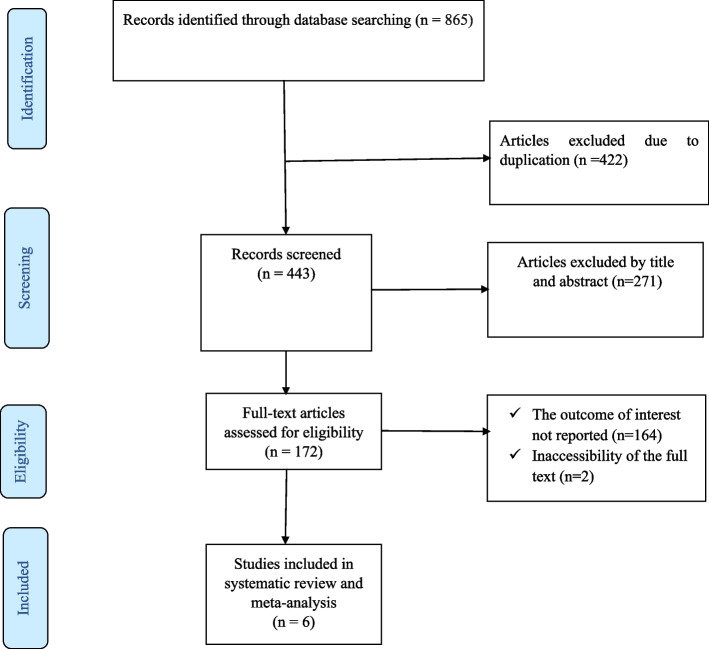
Result: This review identified six randomized controlled trials (RCTs) involving a total of 3,995 patients, with 2,022 in the telehealth intervention group and 1,973 in the control group, conducted across the USA, Asia, and Europe. The analysis showed a significant improvement in blood glucose control for patients using telehealth, evidenced by a Standard Mean Difference (SMD) of 0.20 (95% CI: 0.10-0.29; p < 0.001), with USA studies reflecting the highest SMD of 0.24 and diabetic veterans showing an even greater SMD of 0.41.
Conclusion and recommendations: This study demonstrates that telehealth interventions significantly enhance blood glucose management among patients with diabetes. The findings highlight the need for healthcare systems to prioritize telehealth integration into diabetes management protocols while developing tailored interventions to meet the diverse needs of various patient populations.
期刊介绍:
BMC Health Services Research is an open access, peer-reviewed journal that considers articles on all aspects of health services research, including delivery of care, management of health services, assessment of healthcare needs, measurement of outcomes, allocation of healthcare resources, evaluation of different health markets and health services organizations, international comparative analysis of health systems, health economics and the impact of health policies and regulations.






 京公网安备 11010802042870号
京ICP备2023020795号-1
京公网安备 11010802042870号
京ICP备2023020795号-1

 分享
分享
 求助内容:
求助内容: 应助结果提醒方式:
 扫码关注我们
