Saga Ramsay, Eelis Hyvärinen, Wilfredo González-Arriagada, Tuula Salo, Marcio Ajudarte Lopes, Jopi J W Mikkonen, Bina Kashyap, Arja M Kullaa
{"title":"辐射引起的头颈癌患者唾液代谢物谱和途径的变化。","authors":"Saga Ramsay, Eelis Hyvärinen, Wilfredo González-Arriagada, Tuula Salo, Marcio Ajudarte Lopes, Jopi J W Mikkonen, Bina Kashyap, Arja M Kullaa","doi":"10.1007/s00784-025-06225-4","DOIUrl":null,"url":null,"abstract":"<p><strong>Introduction: </strong>This longitudinal study assessed the salivary metabolic profile in patients with head and neck cancer (HNC) treated with radiotherapy (RT). This study aims to investigate salivary metabolites and biological oral pathways induced by RT.</p><p><strong>Methods: </strong>Clinical data and unstimulated whole-mouth saliva (USWMS) were obtained from 45 HNC patients before, during, and one week after the RT. Data was also collected from 30 healthy controls. NMR spectroscopy identified and quantified 24 metabolites. Spearman's rank correlation analysis and pathway enrichment analysis (MetaboAnalyst 6.0) was performed to check the effect of cancer therapy on the correlation and pathways of different salivary metabolites.</p><p><strong>Results: </strong>Of 24 metabolites identified, 17 salivary metabolites showed a consistent decrease in the concentration during and after treatment of HNC patients. The metabolite proline decreased, whereas fucose and 1,2-Propanediol were increased in the saliva causing altered redox balance and abnormal fucosylation in HNC patients compared to controls. Spearman correlation analysis indicated changes between pyruvate and some other metabolites, including alanine, trimethylamine, choline, taurine, and succinate, during RT. Five pathways (Pyruvate metabolism; Glycolysis / Gluconeogenesis; Glycine, serine, and threonine metabolism; Glyoxylate and dicarboxylate metabolism; and Alanine, aspartate and glutamate metabolism) are affected, demonstrating the metabolic dysregulation due to RT. The pyruvate metabolism was overpresented with the high Pathway Impact score.</p><p><strong>Conclusion: </strong>Salivary metabolomics analysis revealed significant alterations in the metabolic profile of HNC patients undergoing RT, providing valuable insights into treatment-induced oral pathobiological changes. Alterations in salivary pathways during RT suggest disturbances in redox homeostasis, oxidative stress, and inflammation. The ability to monitor salivary metabolites and pathways non-invasively holds promise to personalized medicine in HNC treatment by enabling early detection of treatment-related toxicities, monitoring treatment response, and tailoring interventions to patient needs.</p>","PeriodicalId":10461,"journal":{"name":"Clinical Oral Investigations","volume":"29 3","pages":"145"},"PeriodicalIF":3.1000,"publicationDate":"2025-02-21","publicationTypes":"Journal Article","fieldsOfStudy":null,"isOpenAccess":false,"openAccessPdf":"https://www.ncbi.nlm.nih.gov/pmc/articles/PMC11845554/pdf/","citationCount":"0","resultStr":"{\"title\":\"Radiation-induced changes in salivary metabolite profile and pathways in head and neck cancer patients.\",\"authors\":\"Saga Ramsay, Eelis Hyvärinen, Wilfredo González-Arriagada, Tuula Salo, Marcio Ajudarte Lopes, Jopi J W Mikkonen, Bina Kashyap, Arja M Kullaa\",\"doi\":\"10.1007/s00784-025-06225-4\",\"DOIUrl\":null,\"url\":null,\"abstract\":\"<p><strong>Introduction: </strong>This longitudinal study assessed the salivary metabolic profile in patients with head and neck cancer (HNC) treated with radiotherapy (RT). This study aims to investigate salivary metabolites and biological oral pathways induced by RT.</p><p><strong>Methods: </strong>Clinical data and unstimulated whole-mouth saliva (USWMS) were obtained from 45 HNC patients before, during, and one week after the RT. Data was also collected from 30 healthy controls. NMR spectroscopy identified and quantified 24 metabolites. Spearman's rank correlation analysis and pathway enrichment analysis (MetaboAnalyst 6.0) was performed to check the effect of cancer therapy on the correlation and pathways of different salivary metabolites.</p><p><strong>Results: </strong>Of 24 metabolites identified, 17 salivary metabolites showed a consistent decrease in the concentration during and after treatment of HNC patients. The metabolite proline decreased, whereas fucose and 1,2-Propanediol were increased in the saliva causing altered redox balance and abnormal fucosylation in HNC patients compared to controls. Spearman correlation analysis indicated changes between pyruvate and some other metabolites, including alanine, trimethylamine, choline, taurine, and succinate, during RT. Five pathways (Pyruvate metabolism; Glycolysis / Gluconeogenesis; Glycine, serine, and threonine metabolism; Glyoxylate and dicarboxylate metabolism; and Alanine, aspartate and glutamate metabolism) are affected, demonstrating the metabolic dysregulation due to RT. The pyruvate metabolism was overpresented with the high Pathway Impact score.</p><p><strong>Conclusion: </strong>Salivary metabolomics analysis revealed significant alterations in the metabolic profile of HNC patients undergoing RT, providing valuable insights into treatment-induced oral pathobiological changes. Alterations in salivary pathways during RT suggest disturbances in redox homeostasis, oxidative stress, and inflammation. The ability to monitor salivary metabolites and pathways non-invasively holds promise to personalized medicine in HNC treatment by enabling early detection of treatment-related toxicities, monitoring treatment response, and tailoring interventions to patient needs.</p>\",\"PeriodicalId\":10461,\"journal\":{\"name\":\"Clinical Oral Investigations\",\"volume\":\"29 3\",\"pages\":\"145\"},\"PeriodicalIF\":3.1000,\"publicationDate\":\"2025-02-21\",\"publicationTypes\":\"Journal Article\",\"fieldsOfStudy\":null,\"isOpenAccess\":false,\"openAccessPdf\":\"https://www.ncbi.nlm.nih.gov/pmc/articles/PMC11845554/pdf/\",\"citationCount\":\"0\",\"resultStr\":null,\"platform\":\"Semanticscholar\",\"paperid\":null,\"PeriodicalName\":\"Clinical Oral Investigations\",\"FirstCategoryId\":\"3\",\"ListUrlMain\":\"https://doi.org/10.1007/s00784-025-06225-4\",\"RegionNum\":2,\"RegionCategory\":\"医学\",\"ArticlePicture\":[],\"TitleCN\":null,\"AbstractTextCN\":null,\"PMCID\":null,\"EPubDate\":\"\",\"PubModel\":\"\",\"JCR\":\"Q1\",\"JCRName\":\"DENTISTRY, ORAL SURGERY & MEDICINE\",\"Score\":null,\"Total\":0}","platform":"Semanticscholar","paperid":null,"PeriodicalName":"Clinical Oral Investigations","FirstCategoryId":"3","ListUrlMain":"https://doi.org/10.1007/s00784-025-06225-4","RegionNum":2,"RegionCategory":"医学","ArticlePicture":[],"TitleCN":null,"AbstractTextCN":null,"PMCID":null,"EPubDate":"","PubModel":"","JCR":"Q1","JCRName":"DENTISTRY, ORAL SURGERY & MEDICINE","Score":null,"Total":0}
Radiation-induced changes in salivary metabolite profile and pathways in head and neck cancer patients.
Introduction: This longitudinal study assessed the salivary metabolic profile in patients with head and neck cancer (HNC) treated with radiotherapy (RT). This study aims to investigate salivary metabolites and biological oral pathways induced by RT.
Methods: Clinical data and unstimulated whole-mouth saliva (USWMS) were obtained from 45 HNC patients before, during, and one week after the RT. Data was also collected from 30 healthy controls. NMR spectroscopy identified and quantified 24 metabolites. Spearman's rank correlation analysis and pathway enrichment analysis (MetaboAnalyst 6.0) was performed to check the effect of cancer therapy on the correlation and pathways of different salivary metabolites.
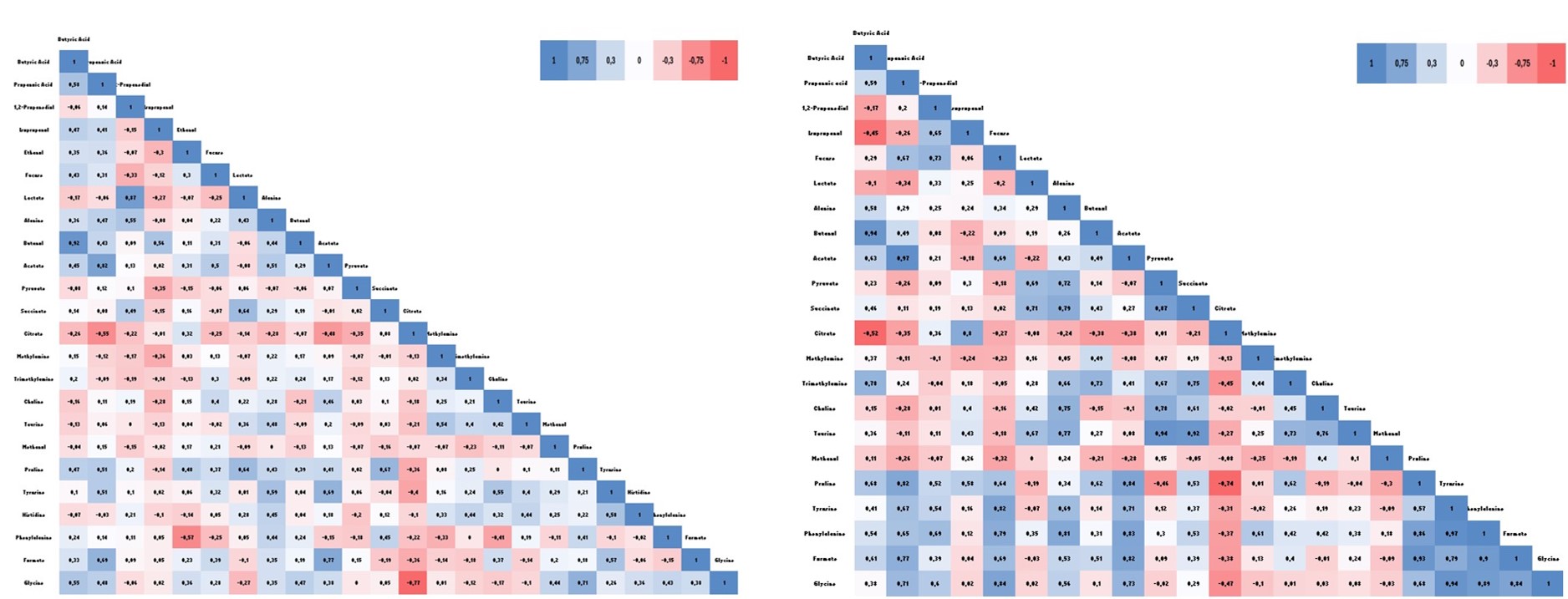
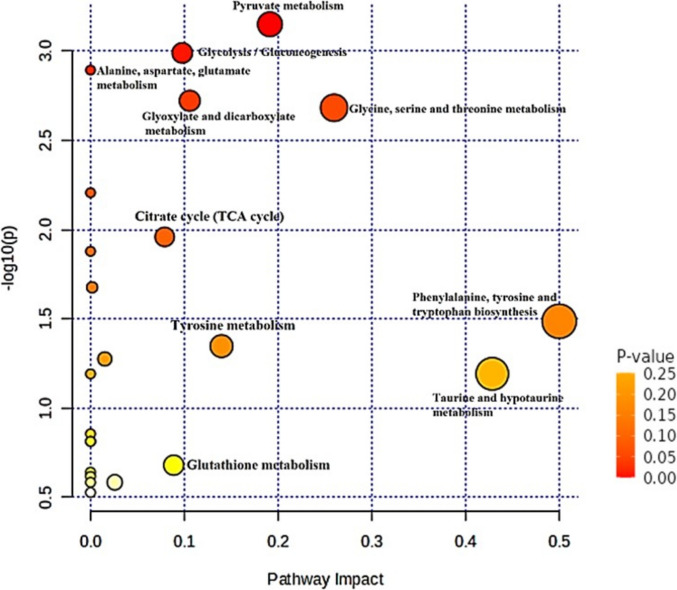
Results: Of 24 metabolites identified, 17 salivary metabolites showed a consistent decrease in the concentration during and after treatment of HNC patients. The metabolite proline decreased, whereas fucose and 1,2-Propanediol were increased in the saliva causing altered redox balance and abnormal fucosylation in HNC patients compared to controls. Spearman correlation analysis indicated changes between pyruvate and some other metabolites, including alanine, trimethylamine, choline, taurine, and succinate, during RT. Five pathways (Pyruvate metabolism; Glycolysis / Gluconeogenesis; Glycine, serine, and threonine metabolism; Glyoxylate and dicarboxylate metabolism; and Alanine, aspartate and glutamate metabolism) are affected, demonstrating the metabolic dysregulation due to RT. The pyruvate metabolism was overpresented with the high Pathway Impact score.
Conclusion: Salivary metabolomics analysis revealed significant alterations in the metabolic profile of HNC patients undergoing RT, providing valuable insights into treatment-induced oral pathobiological changes. Alterations in salivary pathways during RT suggest disturbances in redox homeostasis, oxidative stress, and inflammation. The ability to monitor salivary metabolites and pathways non-invasively holds promise to personalized medicine in HNC treatment by enabling early detection of treatment-related toxicities, monitoring treatment response, and tailoring interventions to patient needs.
期刊介绍:
The journal Clinical Oral Investigations is a multidisciplinary, international forum for publication of research from all fields of oral medicine. The journal publishes original scientific articles and invited reviews which provide up-to-date results of basic and clinical studies in oral and maxillofacial science and medicine. The aim is to clarify the relevance of new results to modern practice, for an international readership. Coverage includes maxillofacial and oral surgery, prosthetics and restorative dentistry, operative dentistry, endodontics, periodontology, orthodontics, dental materials science, clinical trials, epidemiology, pedodontics, oral implant, preventive dentistiry, oral pathology, oral basic sciences and more.





 京公网安备 11010802042870号
京ICP备2023020795号-1
京公网安备 11010802042870号
京ICP备2023020795号-1

 分享
分享
 求助内容:
求助内容: 应助结果提醒方式:
 扫码关注我们
