{"title":"血清尿酸作为代谢功能障碍相关脂肪变性肝病的生物标志物:来自中国队列超声弹性成像的见解","authors":"Zhe Chang, Zhe Liu","doi":"10.1186/s12876-025-03666-9","DOIUrl":null,"url":null,"abstract":"<p><strong>Background: </strong>To evaluate the association between serum uric acid (SUA) levels and metabolic dysfunction-associated steatotic liver disease (MASLD), defined as excessive fat accumulation in the liver accompanied by at least one cardiometabolic risk factor, reflecting metabolic abnormalities associated with the condition, in a Chinese adult population.</p><p><strong>Methods: </strong>This study included 3829 participants aged ≥ 18 years who underwent abdominal transient elastography and had complete SUA data. SUA was categorized into low, medium, and high tertiles. Hepatic steatosis was defined as a controlled attenuation parameter (CAP) ≥ 248 dB/m. MASLD diagnosis followed the latest definitions by relevant liver disease associations. Logistic regression analyzed the association between SUA and MASLD. Restricted cubic spline regression assessed non-linear relationships.</p><p><strong>Results: </strong>A total of 1737 participants were diagnosed with MASLD. SUA levels were higher in the MASLD group (5.79 ± 1.50 mg/dL) than in the non-MASLD group (5.03 ± 1.35 mg/dL). SUA was linearly related to MASLD (P for nonlinearity = 0.8451). Both medium and high SUA groups had increased MASLD risk compared to the low SUA group (P < 0.05). Each unit increase in SUA was associated with a 14% higher risk of MASLD (odds ratio [OR] = 1.14, P = 0.0004).</p><p><strong>Conclusions: </strong>This study highlights the association between SUA levels and MASLD, suggesting that SUA may serve as a potential biomarker for MASLD risk assessment. Monitoring SUA levels could inform preventive strategies and facilitate early intervention, contributing to improved MASLD management.</p>","PeriodicalId":9129,"journal":{"name":"BMC Gastroenterology","volume":"25 1","pages":"94"},"PeriodicalIF":3.2000,"publicationDate":"2025-02-20","publicationTypes":"Journal Article","fieldsOfStudy":null,"isOpenAccess":false,"openAccessPdf":"https://www.ncbi.nlm.nih.gov/pmc/articles/PMC11841239/pdf/","citationCount":"0","resultStr":"{\"title\":\"Serum uric acid as a biomarker for metabolic dysfunction-associated steatotic liver disease: insights from ultrasound elastography in a Chinese cohort.\",\"authors\":\"Zhe Chang, Zhe Liu\",\"doi\":\"10.1186/s12876-025-03666-9\",\"DOIUrl\":null,\"url\":null,\"abstract\":\"<p><strong>Background: </strong>To evaluate the association between serum uric acid (SUA) levels and metabolic dysfunction-associated steatotic liver disease (MASLD), defined as excessive fat accumulation in the liver accompanied by at least one cardiometabolic risk factor, reflecting metabolic abnormalities associated with the condition, in a Chinese adult population.</p><p><strong>Methods: </strong>This study included 3829 participants aged ≥ 18 years who underwent abdominal transient elastography and had complete SUA data. SUA was categorized into low, medium, and high tertiles. Hepatic steatosis was defined as a controlled attenuation parameter (CAP) ≥ 248 dB/m. MASLD diagnosis followed the latest definitions by relevant liver disease associations. Logistic regression analyzed the association between SUA and MASLD. Restricted cubic spline regression assessed non-linear relationships.</p><p><strong>Results: </strong>A total of 1737 participants were diagnosed with MASLD. SUA levels were higher in the MASLD group (5.79 ± 1.50 mg/dL) than in the non-MASLD group (5.03 ± 1.35 mg/dL). SUA was linearly related to MASLD (P for nonlinearity = 0.8451). Both medium and high SUA groups had increased MASLD risk compared to the low SUA group (P < 0.05). Each unit increase in SUA was associated with a 14% higher risk of MASLD (odds ratio [OR] = 1.14, P = 0.0004).</p><p><strong>Conclusions: </strong>This study highlights the association between SUA levels and MASLD, suggesting that SUA may serve as a potential biomarker for MASLD risk assessment. Monitoring SUA levels could inform preventive strategies and facilitate early intervention, contributing to improved MASLD management.</p>\",\"PeriodicalId\":9129,\"journal\":{\"name\":\"BMC Gastroenterology\",\"volume\":\"25 1\",\"pages\":\"94\"},\"PeriodicalIF\":3.2000,\"publicationDate\":\"2025-02-20\",\"publicationTypes\":\"Journal Article\",\"fieldsOfStudy\":null,\"isOpenAccess\":false,\"openAccessPdf\":\"https://www.ncbi.nlm.nih.gov/pmc/articles/PMC11841239/pdf/\",\"citationCount\":\"0\",\"resultStr\":null,\"platform\":\"Semanticscholar\",\"paperid\":null,\"PeriodicalName\":\"BMC Gastroenterology\",\"FirstCategoryId\":\"3\",\"ListUrlMain\":\"https://doi.org/10.1186/s12876-025-03666-9\",\"RegionNum\":3,\"RegionCategory\":\"医学\",\"ArticlePicture\":[],\"TitleCN\":null,\"AbstractTextCN\":null,\"PMCID\":null,\"EPubDate\":\"\",\"PubModel\":\"\",\"JCR\":\"Q2\",\"JCRName\":\"GASTROENTEROLOGY & HEPATOLOGY\",\"Score\":null,\"Total\":0}","platform":"Semanticscholar","paperid":null,"PeriodicalName":"BMC Gastroenterology","FirstCategoryId":"3","ListUrlMain":"https://doi.org/10.1186/s12876-025-03666-9","RegionNum":3,"RegionCategory":"医学","ArticlePicture":[],"TitleCN":null,"AbstractTextCN":null,"PMCID":null,"EPubDate":"","PubModel":"","JCR":"Q2","JCRName":"GASTROENTEROLOGY & HEPATOLOGY","Score":null,"Total":0}
Serum uric acid as a biomarker for metabolic dysfunction-associated steatotic liver disease: insights from ultrasound elastography in a Chinese cohort.
Background: To evaluate the association between serum uric acid (SUA) levels and metabolic dysfunction-associated steatotic liver disease (MASLD), defined as excessive fat accumulation in the liver accompanied by at least one cardiometabolic risk factor, reflecting metabolic abnormalities associated with the condition, in a Chinese adult population.
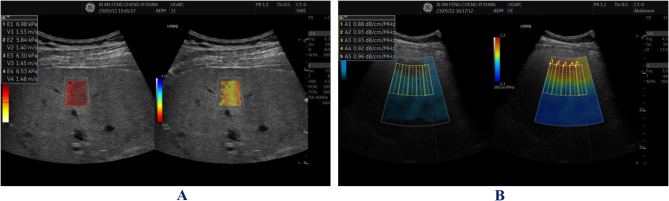
Methods: This study included 3829 participants aged ≥ 18 years who underwent abdominal transient elastography and had complete SUA data. SUA was categorized into low, medium, and high tertiles. Hepatic steatosis was defined as a controlled attenuation parameter (CAP) ≥ 248 dB/m. MASLD diagnosis followed the latest definitions by relevant liver disease associations. Logistic regression analyzed the association between SUA and MASLD. Restricted cubic spline regression assessed non-linear relationships.
Results: A total of 1737 participants were diagnosed with MASLD. SUA levels were higher in the MASLD group (5.79 ± 1.50 mg/dL) than in the non-MASLD group (5.03 ± 1.35 mg/dL). SUA was linearly related to MASLD (P for nonlinearity = 0.8451). Both medium and high SUA groups had increased MASLD risk compared to the low SUA group (P < 0.05). Each unit increase in SUA was associated with a 14% higher risk of MASLD (odds ratio [OR] = 1.14, P = 0.0004).
Conclusions: This study highlights the association between SUA levels and MASLD, suggesting that SUA may serve as a potential biomarker for MASLD risk assessment. Monitoring SUA levels could inform preventive strategies and facilitate early intervention, contributing to improved MASLD management.
期刊介绍:
BMC Gastroenterology is an open access, peer-reviewed journal that considers articles on all aspects of the prevention, diagnosis and management of gastrointestinal and hepatobiliary disorders, as well as related molecular genetics, pathophysiology, and epidemiology.






 京公网安备 11010802042870号
京ICP备2023020795号-1
京公网安备 11010802042870号
京ICP备2023020795号-1

 分享
分享
 求助内容:
求助内容: 应助结果提醒方式:
 扫码关注我们
