Jorgen Ferguson, Oliver Fisher, Michael Talbot, Georgia Rigas
{"title":"减肥代谢手术后辅助使用西马鲁肽的有效性。","authors":"Jorgen Ferguson, Oliver Fisher, Michael Talbot, Georgia Rigas","doi":"10.1007/s11695-025-07703-0","DOIUrl":null,"url":null,"abstract":"<p><strong>Background: </strong>Obesity is a relapsing condition and response to anti-obesity therapies appears to be normally distributed. Therefore, some patients undergoing metabolic bariatric surgery (MBS) will demonstrate a partial response to therapy. When prescribing therapies to patients living with obesity (PwO) the median total weight loss (TWL) gives a good indication of the likely utility of prescription for that individual. GLP-1 agonists (GLP1a) offer patients a reasonable prospect of clinically significant weight loss even if they have been previously treated with MBS.</p><p><strong>Methods: </strong>A retrospective review of prospectively collected data in a single bariatric clinic was performed. Patients with insufficient weight loss at any time point were offered semaglutide therapy with doses titrated depending on response to treatment, tolerability, availability and affordability. Duration of therapy, highest dose tolerated, anthropometric measures and reported side effects were recorded. Reasons for discontinuation were noted where possible; however, discontinuation due to medication unavailability was not reliably captured in the dataset.</p><p><strong>Results: </strong>The median dose tolerated was 1 mg s/c per week, and 78% tolerated ≤ 1 mg as the maximum achieved dose. The median TWL was 7.5% and side effects were uncommon. Most patients took therapy for > 6 months, but continued therapy > 1 year was uncommon.</p><p><strong>Conclusion: </strong>Overall 'real-world' utility of semaglutide after MBS may potentially be hampered by supply and cost issues more than issues associated with effectiveness or side effect profile.</p>","PeriodicalId":19460,"journal":{"name":"Obesity Surgery","volume":" ","pages":"694-700"},"PeriodicalIF":3.1000,"publicationDate":"2025-03-01","publicationTypes":"Journal Article","fieldsOfStudy":null,"isOpenAccess":false,"openAccessPdf":"https://www.ncbi.nlm.nih.gov/pmc/articles/PMC11906545/pdf/","citationCount":"0","resultStr":"{\"title\":\"Effectiveness of Adjuvant Semaglutide Following Bariatric Metabolic Surgery.\",\"authors\":\"Jorgen Ferguson, Oliver Fisher, Michael Talbot, Georgia Rigas\",\"doi\":\"10.1007/s11695-025-07703-0\",\"DOIUrl\":null,\"url\":null,\"abstract\":\"<p><strong>Background: </strong>Obesity is a relapsing condition and response to anti-obesity therapies appears to be normally distributed. Therefore, some patients undergoing metabolic bariatric surgery (MBS) will demonstrate a partial response to therapy. When prescribing therapies to patients living with obesity (PwO) the median total weight loss (TWL) gives a good indication of the likely utility of prescription for that individual. GLP-1 agonists (GLP1a) offer patients a reasonable prospect of clinically significant weight loss even if they have been previously treated with MBS.</p><p><strong>Methods: </strong>A retrospective review of prospectively collected data in a single bariatric clinic was performed. Patients with insufficient weight loss at any time point were offered semaglutide therapy with doses titrated depending on response to treatment, tolerability, availability and affordability. Duration of therapy, highest dose tolerated, anthropometric measures and reported side effects were recorded. Reasons for discontinuation were noted where possible; however, discontinuation due to medication unavailability was not reliably captured in the dataset.</p><p><strong>Results: </strong>The median dose tolerated was 1 mg s/c per week, and 78% tolerated ≤ 1 mg as the maximum achieved dose. The median TWL was 7.5% and side effects were uncommon. Most patients took therapy for > 6 months, but continued therapy > 1 year was uncommon.</p><p><strong>Conclusion: </strong>Overall 'real-world' utility of semaglutide after MBS may potentially be hampered by supply and cost issues more than issues associated with effectiveness or side effect profile.</p>\",\"PeriodicalId\":19460,\"journal\":{\"name\":\"Obesity Surgery\",\"volume\":\" \",\"pages\":\"694-700\"},\"PeriodicalIF\":3.1000,\"publicationDate\":\"2025-03-01\",\"publicationTypes\":\"Journal Article\",\"fieldsOfStudy\":null,\"isOpenAccess\":false,\"openAccessPdf\":\"https://www.ncbi.nlm.nih.gov/pmc/articles/PMC11906545/pdf/\",\"citationCount\":\"0\",\"resultStr\":null,\"platform\":\"Semanticscholar\",\"paperid\":null,\"PeriodicalName\":\"Obesity Surgery\",\"FirstCategoryId\":\"3\",\"ListUrlMain\":\"https://doi.org/10.1007/s11695-025-07703-0\",\"RegionNum\":3,\"RegionCategory\":\"医学\",\"ArticlePicture\":[],\"TitleCN\":null,\"AbstractTextCN\":null,\"PMCID\":null,\"EPubDate\":\"2025/2/21 0:00:00\",\"PubModel\":\"Epub\",\"JCR\":\"Q1\",\"JCRName\":\"SURGERY\",\"Score\":null,\"Total\":0}","platform":"Semanticscholar","paperid":null,"PeriodicalName":"Obesity Surgery","FirstCategoryId":"3","ListUrlMain":"https://doi.org/10.1007/s11695-025-07703-0","RegionNum":3,"RegionCategory":"医学","ArticlePicture":[],"TitleCN":null,"AbstractTextCN":null,"PMCID":null,"EPubDate":"2025/2/21 0:00:00","PubModel":"Epub","JCR":"Q1","JCRName":"SURGERY","Score":null,"Total":0}
Effectiveness of Adjuvant Semaglutide Following Bariatric Metabolic Surgery.
Background: Obesity is a relapsing condition and response to anti-obesity therapies appears to be normally distributed. Therefore, some patients undergoing metabolic bariatric surgery (MBS) will demonstrate a partial response to therapy. When prescribing therapies to patients living with obesity (PwO) the median total weight loss (TWL) gives a good indication of the likely utility of prescription for that individual. GLP-1 agonists (GLP1a) offer patients a reasonable prospect of clinically significant weight loss even if they have been previously treated with MBS.
Methods: A retrospective review of prospectively collected data in a single bariatric clinic was performed. Patients with insufficient weight loss at any time point were offered semaglutide therapy with doses titrated depending on response to treatment, tolerability, availability and affordability. Duration of therapy, highest dose tolerated, anthropometric measures and reported side effects were recorded. Reasons for discontinuation were noted where possible; however, discontinuation due to medication unavailability was not reliably captured in the dataset.
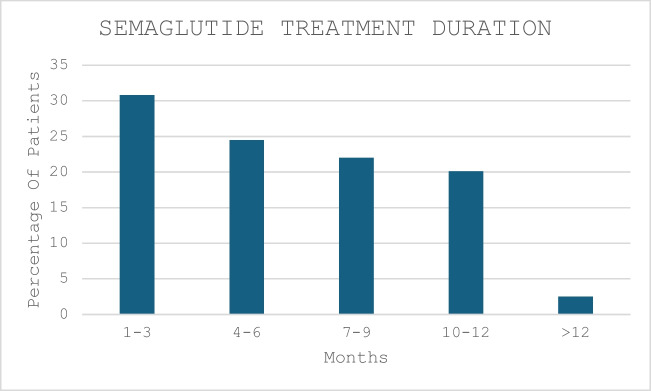
Results: The median dose tolerated was 1 mg s/c per week, and 78% tolerated ≤ 1 mg as the maximum achieved dose. The median TWL was 7.5% and side effects were uncommon. Most patients took therapy for > 6 months, but continued therapy > 1 year was uncommon.
Conclusion: Overall 'real-world' utility of semaglutide after MBS may potentially be hampered by supply and cost issues more than issues associated with effectiveness or side effect profile.
期刊介绍:
Obesity Surgery is the official journal of the International Federation for the Surgery of Obesity and metabolic disorders (IFSO). A journal for bariatric/metabolic surgeons, Obesity Surgery provides an international, interdisciplinary forum for communicating the latest research, surgical and laparoscopic techniques, for treatment of massive obesity and metabolic disorders. Topics covered include original research, clinical reports, current status, guidelines, historical notes, invited commentaries, letters to the editor, medicolegal issues, meeting abstracts, modern surgery/technical innovations, new concepts, reviews, scholarly presentations and opinions.
Obesity Surgery benefits surgeons performing obesity/metabolic surgery, general surgeons and surgical residents, endoscopists, anesthetists, support staff, nurses, dietitians, psychiatrists, psychologists, plastic surgeons, internists including endocrinologists and diabetologists, nutritional scientists, and those dealing with eating disorders.






 京公网安备 11010802042870号
京ICP备2023020795号-1
京公网安备 11010802042870号
京ICP备2023020795号-1

 分享
分享
 求助内容:
求助内容: 应助结果提醒方式:
 扫码关注我们
