{"title":"甲状腺功能对牙周状况的影响:一项系统回顾和荟萃分析。","authors":"Jing Ni, Bai Dan, Fei Lei","doi":"10.1186/s12903-024-05331-1","DOIUrl":null,"url":null,"abstract":"<p><strong>Background: </strong>Thyroid dysfunction causes various oral manifestations, while periodontal disease is a chronic inflammatory condition affecting the supporting structures of teeth. This systematic review and meta-analysis aimed to evaluate the effects of thyroid dysfunction on periodontal disease indices, synthesizing evidence to clarify the relationship between these conditions.</p><p><strong>Methods: </strong>A comprehensive search followed PRISMA guidelines across Medline, Scopus, Web of Science, and Google Scholar from inception to September 2024. Studies included adults with diagnosed thyroid dysfunction and healthy controls. Data were extracted on thyroid function tests and periodontal disease indices. The risk of bias and quality of studies were assessed using funnel plots, Begg's and Egger's indices, and the Cochrane tool. Effect sizes were calculated using standard mean difference (SMD) via Comprehensive Meta-Analysis software.</p><p><strong>Results: </strong>Eight studies (seven publications) were included. The analysis revealed that patients with thyroid dysfunction exhibited significantly higher periodontal disease indices than controls, with a pooled SMD of 0.369 (95% CI: 0.194-0.545, p < 0.001). The effects of thyroid dysfunction were found on clinical attachment level and pocket probing depth, but not on other indices like the gingival and plaque indexes. Sensitivity analysis confirmed the robustness of these findings. The quality of studies was low, with notable risks of bias.</p><p><strong>Conclusions: </strong>Thyroid dysfunction is associated with increased periodontal disease indices, highlighting the need for further research to explore the underlying mechanisms and improve clinical management strategies for affected patients. Future studies should aim for higher methodological rigor to enhance the reliability of findings.</p>","PeriodicalId":9072,"journal":{"name":"BMC Oral Health","volume":"25 1","pages":"289"},"PeriodicalIF":3.1000,"publicationDate":"2025-02-22","publicationTypes":"Journal Article","fieldsOfStudy":null,"isOpenAccess":false,"openAccessPdf":"https://www.ncbi.nlm.nih.gov/pmc/articles/PMC11847378/pdf/","citationCount":"0","resultStr":"{\"title\":\"The effects of thyroid function on periodontal status: a systematic review and meta-analysis.\",\"authors\":\"Jing Ni, Bai Dan, Fei Lei\",\"doi\":\"10.1186/s12903-024-05331-1\",\"DOIUrl\":null,\"url\":null,\"abstract\":\"<p><strong>Background: </strong>Thyroid dysfunction causes various oral manifestations, while periodontal disease is a chronic inflammatory condition affecting the supporting structures of teeth. This systematic review and meta-analysis aimed to evaluate the effects of thyroid dysfunction on periodontal disease indices, synthesizing evidence to clarify the relationship between these conditions.</p><p><strong>Methods: </strong>A comprehensive search followed PRISMA guidelines across Medline, Scopus, Web of Science, and Google Scholar from inception to September 2024. Studies included adults with diagnosed thyroid dysfunction and healthy controls. Data were extracted on thyroid function tests and periodontal disease indices. The risk of bias and quality of studies were assessed using funnel plots, Begg's and Egger's indices, and the Cochrane tool. Effect sizes were calculated using standard mean difference (SMD) via Comprehensive Meta-Analysis software.</p><p><strong>Results: </strong>Eight studies (seven publications) were included. The analysis revealed that patients with thyroid dysfunction exhibited significantly higher periodontal disease indices than controls, with a pooled SMD of 0.369 (95% CI: 0.194-0.545, p < 0.001). The effects of thyroid dysfunction were found on clinical attachment level and pocket probing depth, but not on other indices like the gingival and plaque indexes. Sensitivity analysis confirmed the robustness of these findings. The quality of studies was low, with notable risks of bias.</p><p><strong>Conclusions: </strong>Thyroid dysfunction is associated with increased periodontal disease indices, highlighting the need for further research to explore the underlying mechanisms and improve clinical management strategies for affected patients. Future studies should aim for higher methodological rigor to enhance the reliability of findings.</p>\",\"PeriodicalId\":9072,\"journal\":{\"name\":\"BMC Oral Health\",\"volume\":\"25 1\",\"pages\":\"289\"},\"PeriodicalIF\":3.1000,\"publicationDate\":\"2025-02-22\",\"publicationTypes\":\"Journal Article\",\"fieldsOfStudy\":null,\"isOpenAccess\":false,\"openAccessPdf\":\"https://www.ncbi.nlm.nih.gov/pmc/articles/PMC11847378/pdf/\",\"citationCount\":\"0\",\"resultStr\":null,\"platform\":\"Semanticscholar\",\"paperid\":null,\"PeriodicalName\":\"BMC Oral Health\",\"FirstCategoryId\":\"3\",\"ListUrlMain\":\"https://doi.org/10.1186/s12903-024-05331-1\",\"RegionNum\":2,\"RegionCategory\":\"医学\",\"ArticlePicture\":[],\"TitleCN\":null,\"AbstractTextCN\":null,\"PMCID\":null,\"EPubDate\":\"\",\"PubModel\":\"\",\"JCR\":\"Q1\",\"JCRName\":\"DENTISTRY, ORAL SURGERY & MEDICINE\",\"Score\":null,\"Total\":0}","platform":"Semanticscholar","paperid":null,"PeriodicalName":"BMC Oral Health","FirstCategoryId":"3","ListUrlMain":"https://doi.org/10.1186/s12903-024-05331-1","RegionNum":2,"RegionCategory":"医学","ArticlePicture":[],"TitleCN":null,"AbstractTextCN":null,"PMCID":null,"EPubDate":"","PubModel":"","JCR":"Q1","JCRName":"DENTISTRY, ORAL SURGERY & MEDICINE","Score":null,"Total":0}
引用次数: 0
摘要
背景:甲状腺功能障碍引起多种口腔表现,而牙周病是一种影响牙齿支撑结构的慢性炎症。本系统综述和荟萃分析旨在评估甲状腺功能障碍对牙周病指标的影响,综合证据阐明这些疾病之间的关系。方法:在Medline、Scopus、Web of Science和谷歌Scholar网站上按照PRISMA指南从成立到2024年9月进行全面检索。研究对象包括诊断为甲状腺功能障碍的成年人和健康对照者。提取甲状腺功能检查和牙周病指标的数据。使用漏斗图、Begg’s和Egger’s指数以及Cochrane工具评估偏倚风险和研究质量。效应量通过综合meta分析软件采用标准平均差(SMD)计算。结果:纳入8项研究(7篇出版物)。分析显示,甲状腺功能障碍患者的牙周病指数明显高于对照组,其综合SMD为0.369 (95% CI: 0.194-0.545, p)。结论:甲状腺功能障碍与牙周病指数增加有关,需要进一步研究其潜在机制,并改善患者的临床管理策略。未来的研究应以更高的方法严谨性为目标,以提高研究结果的可靠性。
The effects of thyroid function on periodontal status: a systematic review and meta-analysis.
Background: Thyroid dysfunction causes various oral manifestations, while periodontal disease is a chronic inflammatory condition affecting the supporting structures of teeth. This systematic review and meta-analysis aimed to evaluate the effects of thyroid dysfunction on periodontal disease indices, synthesizing evidence to clarify the relationship between these conditions.
Methods: A comprehensive search followed PRISMA guidelines across Medline, Scopus, Web of Science, and Google Scholar from inception to September 2024. Studies included adults with diagnosed thyroid dysfunction and healthy controls. Data were extracted on thyroid function tests and periodontal disease indices. The risk of bias and quality of studies were assessed using funnel plots, Begg's and Egger's indices, and the Cochrane tool. Effect sizes were calculated using standard mean difference (SMD) via Comprehensive Meta-Analysis software.
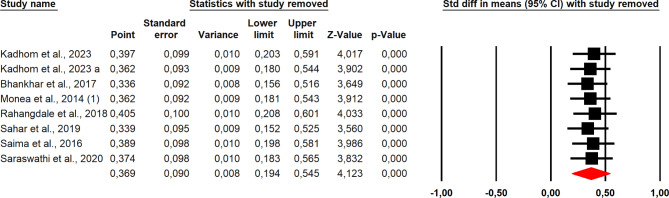
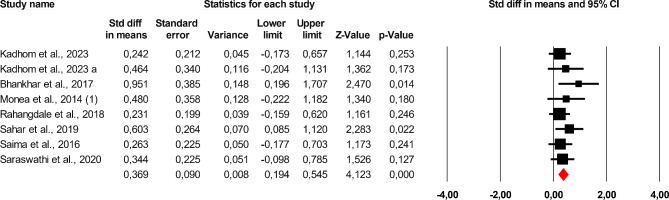
Results: Eight studies (seven publications) were included. The analysis revealed that patients with thyroid dysfunction exhibited significantly higher periodontal disease indices than controls, with a pooled SMD of 0.369 (95% CI: 0.194-0.545, p < 0.001). The effects of thyroid dysfunction were found on clinical attachment level and pocket probing depth, but not on other indices like the gingival and plaque indexes. Sensitivity analysis confirmed the robustness of these findings. The quality of studies was low, with notable risks of bias.
Conclusions: Thyroid dysfunction is associated with increased periodontal disease indices, highlighting the need for further research to explore the underlying mechanisms and improve clinical management strategies for affected patients. Future studies should aim for higher methodological rigor to enhance the reliability of findings.
期刊介绍:
BMC Oral Health is an open access, peer-reviewed journal that considers articles on all aspects of the prevention, diagnosis and management of disorders of the mouth, teeth and gums, as well as related molecular genetics, pathophysiology, and epidemiology.





 京公网安备 11010802042870号
京ICP备2023020795号-1
京公网安备 11010802042870号
京ICP备2023020795号-1

 分享
分享
 求助内容:
求助内容: 应助结果提醒方式:
 扫码关注我们
