Natalia Sergeevna Morozova, Alina Alekseevna Elovskaya, Ekaterina Andreevna Maslikova, Oleg Ivanovich Admakin, Arif Fuad Allahverdiyev, Ellina Valerievna Velichko, Larisa Dmitrievna Maltseva, Pavel Pavlovich Tregub, Olga Leonidovna Morozova
{"title":"慢性肾病患儿颞下颌关节病理的超声筛查。","authors":"Natalia Sergeevna Morozova, Alina Alekseevna Elovskaya, Ekaterina Andreevna Maslikova, Oleg Ivanovich Admakin, Arif Fuad Allahverdiyev, Ellina Valerievna Velichko, Larisa Dmitrievna Maltseva, Pavel Pavlovich Tregub, Olga Leonidovna Morozova","doi":"10.3390/dj13020084","DOIUrl":null,"url":null,"abstract":"<p><p><b>Background/Objectives</b>: Chronic kidney disease (CKD) influences different organs including the temporomandibular joint (TMJ). This study aims to identify structural and functional TMJ changes in children with CKD using ultrasound as the least invasive and most accessible method. <b>Methods</b>: TMJ changes were examined using ultrasound screening in 40 children. The first group (control, <i>n</i> = 10) included children with normal occlusion without TMJ complaints. The second group (<i>n</i> = 10) included children with CKD stage 1 and 2. The third group (<i>n</i> = 10) included patients on hemodialysis after renal transplantation. The forth group (<i>n</i> = 10) included patients at least 6 months after renal transplantation. <b>Results</b>: The size of the anterior section of the right TMJ gap in the third group was the largest among all the groups studied (1.085 mm) and statistically significantly different from the first group (0.570 mm; <i>p</i> = 0.001) and the second one (0.665 mm, <i>p</i> = 0.001). The width of the middle section was also greatest in the third group and statistically significantly different when compared to the first and second groups (0.390 mm; <i>p</i> = 0.023 and 0.340 mm; <i>p</i> < 0.001, respectively). A posterior articular gap width differences between the individual patient groups under study were not statistically significant in a posteriori comparison with Bonferroni correction. Statistical significance of differences between all groups when comparing the gap width was found in all sections of the left TMJ. The frequency of anterior disc displacement between groups ranged from 50 to 100% in all groups studied and was not statistically different when comparing right and left TMJs between groups (<i>p</i> = 0.084 and <i>p</i> = 0.662, respectively). <b>Conclusions</b>: CKD children have different TMJ changes, so TMJ ultrasound could screen joint pathology at early stages, and dental specialists can start timely rehabilitation.</p>","PeriodicalId":11269,"journal":{"name":"Dentistry Journal","volume":"13 2","pages":""},"PeriodicalIF":3.1000,"publicationDate":"2025-02-15","publicationTypes":"Journal Article","fieldsOfStudy":null,"isOpenAccess":false,"openAccessPdf":"https://www.ncbi.nlm.nih.gov/pmc/articles/PMC11854095/pdf/","citationCount":"0","resultStr":"{\"title\":\"Ultrasound Screening of Temporomandibular Joint Pathology in Children with Chronic Kidney Disease.\",\"authors\":\"Natalia Sergeevna Morozova, Alina Alekseevna Elovskaya, Ekaterina Andreevna Maslikova, Oleg Ivanovich Admakin, Arif Fuad Allahverdiyev, Ellina Valerievna Velichko, Larisa Dmitrievna Maltseva, Pavel Pavlovich Tregub, Olga Leonidovna Morozova\",\"doi\":\"10.3390/dj13020084\",\"DOIUrl\":null,\"url\":null,\"abstract\":\"<p><p><b>Background/Objectives</b>: Chronic kidney disease (CKD) influences different organs including the temporomandibular joint (TMJ). This study aims to identify structural and functional TMJ changes in children with CKD using ultrasound as the least invasive and most accessible method. <b>Methods</b>: TMJ changes were examined using ultrasound screening in 40 children. The first group (control, <i>n</i> = 10) included children with normal occlusion without TMJ complaints. The second group (<i>n</i> = 10) included children with CKD stage 1 and 2. The third group (<i>n</i> = 10) included patients on hemodialysis after renal transplantation. The forth group (<i>n</i> = 10) included patients at least 6 months after renal transplantation. <b>Results</b>: The size of the anterior section of the right TMJ gap in the third group was the largest among all the groups studied (1.085 mm) and statistically significantly different from the first group (0.570 mm; <i>p</i> = 0.001) and the second one (0.665 mm, <i>p</i> = 0.001). The width of the middle section was also greatest in the third group and statistically significantly different when compared to the first and second groups (0.390 mm; <i>p</i> = 0.023 and 0.340 mm; <i>p</i> < 0.001, respectively). A posterior articular gap width differences between the individual patient groups under study were not statistically significant in a posteriori comparison with Bonferroni correction. Statistical significance of differences between all groups when comparing the gap width was found in all sections of the left TMJ. The frequency of anterior disc displacement between groups ranged from 50 to 100% in all groups studied and was not statistically different when comparing right and left TMJs between groups (<i>p</i> = 0.084 and <i>p</i> = 0.662, respectively). <b>Conclusions</b>: CKD children have different TMJ changes, so TMJ ultrasound could screen joint pathology at early stages, and dental specialists can start timely rehabilitation.</p>\",\"PeriodicalId\":11269,\"journal\":{\"name\":\"Dentistry Journal\",\"volume\":\"13 2\",\"pages\":\"\"},\"PeriodicalIF\":3.1000,\"publicationDate\":\"2025-02-15\",\"publicationTypes\":\"Journal Article\",\"fieldsOfStudy\":null,\"isOpenAccess\":false,\"openAccessPdf\":\"https://www.ncbi.nlm.nih.gov/pmc/articles/PMC11854095/pdf/\",\"citationCount\":\"0\",\"resultStr\":null,\"platform\":\"Semanticscholar\",\"paperid\":null,\"PeriodicalName\":\"Dentistry Journal\",\"FirstCategoryId\":\"1085\",\"ListUrlMain\":\"https://doi.org/10.3390/dj13020084\",\"RegionNum\":0,\"RegionCategory\":null,\"ArticlePicture\":[],\"TitleCN\":null,\"AbstractTextCN\":null,\"PMCID\":null,\"EPubDate\":\"\",\"PubModel\":\"\",\"JCR\":\"Q2\",\"JCRName\":\"DENTISTRY, ORAL SURGERY & MEDICINE\",\"Score\":null,\"Total\":0}","platform":"Semanticscholar","paperid":null,"PeriodicalName":"Dentistry Journal","FirstCategoryId":"1085","ListUrlMain":"https://doi.org/10.3390/dj13020084","RegionNum":0,"RegionCategory":null,"ArticlePicture":[],"TitleCN":null,"AbstractTextCN":null,"PMCID":null,"EPubDate":"","PubModel":"","JCR":"Q2","JCRName":"DENTISTRY, ORAL SURGERY & MEDICINE","Score":null,"Total":0}
Ultrasound Screening of Temporomandibular Joint Pathology in Children with Chronic Kidney Disease.
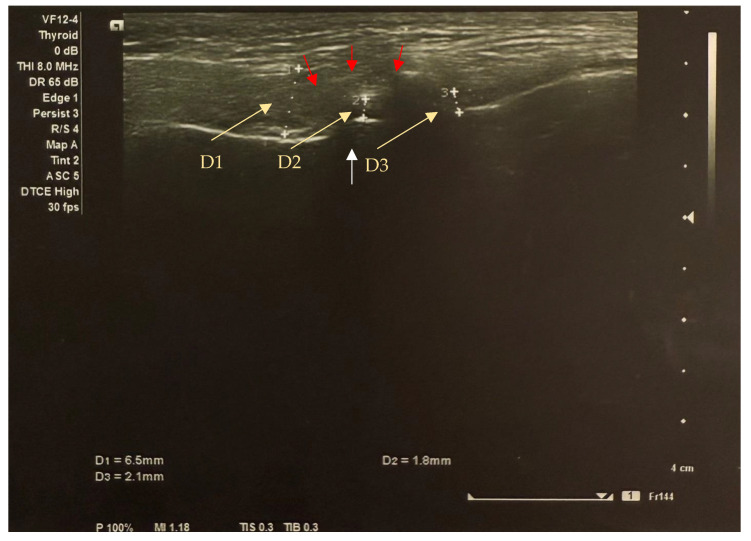
Background/Objectives: Chronic kidney disease (CKD) influences different organs including the temporomandibular joint (TMJ). This study aims to identify structural and functional TMJ changes in children with CKD using ultrasound as the least invasive and most accessible method. Methods: TMJ changes were examined using ultrasound screening in 40 children. The first group (control, n = 10) included children with normal occlusion without TMJ complaints. The second group (n = 10) included children with CKD stage 1 and 2. The third group (n = 10) included patients on hemodialysis after renal transplantation. The forth group (n = 10) included patients at least 6 months after renal transplantation. Results: The size of the anterior section of the right TMJ gap in the third group was the largest among all the groups studied (1.085 mm) and statistically significantly different from the first group (0.570 mm; p = 0.001) and the second one (0.665 mm, p = 0.001). The width of the middle section was also greatest in the third group and statistically significantly different when compared to the first and second groups (0.390 mm; p = 0.023 and 0.340 mm; p < 0.001, respectively). A posterior articular gap width differences between the individual patient groups under study were not statistically significant in a posteriori comparison with Bonferroni correction. Statistical significance of differences between all groups when comparing the gap width was found in all sections of the left TMJ. The frequency of anterior disc displacement between groups ranged from 50 to 100% in all groups studied and was not statistically different when comparing right and left TMJs between groups (p = 0.084 and p = 0.662, respectively). Conclusions: CKD children have different TMJ changes, so TMJ ultrasound could screen joint pathology at early stages, and dental specialists can start timely rehabilitation.






 京公网安备 11010802042870号
京ICP备2023020795号-1
京公网安备 11010802042870号
京ICP备2023020795号-1

 分享
分享
 求助内容:
求助内容: 应助结果提醒方式:
 扫码关注我们
