Stefania Sedda, Maria Piera L Cadoni, Serenella Medici, Elena Aiello, Gian Luca Erre, Alessandra Matilde Nivoli, Ciriaco Carru, Donatella Coradduzza
{"title":"纤维肌痛、抑郁和自身免疫性疾病:炎症相互关联的网络。","authors":"Stefania Sedda, Maria Piera L Cadoni, Serenella Medici, Elena Aiello, Gian Luca Erre, Alessandra Matilde Nivoli, Ciriaco Carru, Donatella Coradduzza","doi":"10.3390/biomedicines13020503","DOIUrl":null,"url":null,"abstract":"<p><p><b>Background:</b> Fibromyalgia, depression, and autoimmune diseases represent a triad of interconnected conditions characterized by overlapping biological pathways, including chronic inflammation, immune dysregulation, and neurochemical imbalances. Understanding their shared mechanisms offers opportunities for innovative therapeutic approaches. <b>Objective:</b> This systematic review explores the common inflammatory- and immune-related pathways among these conditions, emphasizing their implications for biomarker development and novel therapeutic strategies. <b>Methods:</b> Following PRISMA guidelines, a comprehensive literature search was conducted in databases including PubMed, Scopus, Web of Science, and the Cochrane Library. Studies examining the relationship between fibromyalgia, depression, and autoimmune diseases with a focus on immune responses, inflammatory biomarkers, and therapeutic interventions were included. The quality of the selected studies was assessed using the Cochrane Risk of Bias tool. <b>Results:</b> From the 255 identified studies, 12 met the inclusion criteria. Evidence supports the role of pro-inflammatory cytokines (e.g., IL-6, TNF-α) and neurochemical dysregulation (e.g., serotonin, dopamine) as key factors in the pathophysiology of these conditions. Pilot studies highlight the potential of immune-modulating therapies, including low-dose IL-2 and anti-inflammatory agents such as N-acetylcysteine and minocycline, in alleviating both physical and psychological symptoms. Emerging biomarkers, including cytokine profiles and platelet serotonin activity, show promise for personalized treatment approaches. <b>Conclusions:</b> The shared inflammatory pathways linking fibromyalgia, depression, and autoimmune diseases underscore the need for integrated therapeutic strategies. Although pilot studies provide preliminary insights, validation through large-scale, multicenter trials is essential. Future research should focus on standardizing methodologies and leveraging biomarker-driven precision medicine to improve outcomes for patients with these complex, multifactorial conditions.</p>","PeriodicalId":8937,"journal":{"name":"Biomedicines","volume":"13 2","pages":""},"PeriodicalIF":4.5000,"publicationDate":"2025-02-18","publicationTypes":"Journal Article","fieldsOfStudy":null,"isOpenAccess":false,"openAccessPdf":"https://www.ncbi.nlm.nih.gov/pmc/articles/PMC11853372/pdf/","citationCount":"0","resultStr":"{\"title\":\"Fibromyalgia, Depression, and Autoimmune Disorders: An Interconnected Web of Inflammation.\",\"authors\":\"Stefania Sedda, Maria Piera L Cadoni, Serenella Medici, Elena Aiello, Gian Luca Erre, Alessandra Matilde Nivoli, Ciriaco Carru, Donatella Coradduzza\",\"doi\":\"10.3390/biomedicines13020503\",\"DOIUrl\":null,\"url\":null,\"abstract\":\"<p><p><b>Background:</b> Fibromyalgia, depression, and autoimmune diseases represent a triad of interconnected conditions characterized by overlapping biological pathways, including chronic inflammation, immune dysregulation, and neurochemical imbalances. Understanding their shared mechanisms offers opportunities for innovative therapeutic approaches. <b>Objective:</b> This systematic review explores the common inflammatory- and immune-related pathways among these conditions, emphasizing their implications for biomarker development and novel therapeutic strategies. <b>Methods:</b> Following PRISMA guidelines, a comprehensive literature search was conducted in databases including PubMed, Scopus, Web of Science, and the Cochrane Library. Studies examining the relationship between fibromyalgia, depression, and autoimmune diseases with a focus on immune responses, inflammatory biomarkers, and therapeutic interventions were included. The quality of the selected studies was assessed using the Cochrane Risk of Bias tool. <b>Results:</b> From the 255 identified studies, 12 met the inclusion criteria. Evidence supports the role of pro-inflammatory cytokines (e.g., IL-6, TNF-α) and neurochemical dysregulation (e.g., serotonin, dopamine) as key factors in the pathophysiology of these conditions. Pilot studies highlight the potential of immune-modulating therapies, including low-dose IL-2 and anti-inflammatory agents such as N-acetylcysteine and minocycline, in alleviating both physical and psychological symptoms. Emerging biomarkers, including cytokine profiles and platelet serotonin activity, show promise for personalized treatment approaches. <b>Conclusions:</b> The shared inflammatory pathways linking fibromyalgia, depression, and autoimmune diseases underscore the need for integrated therapeutic strategies. Although pilot studies provide preliminary insights, validation through large-scale, multicenter trials is essential. Future research should focus on standardizing methodologies and leveraging biomarker-driven precision medicine to improve outcomes for patients with these complex, multifactorial conditions.</p>\",\"PeriodicalId\":8937,\"journal\":{\"name\":\"Biomedicines\",\"volume\":\"13 2\",\"pages\":\"\"},\"PeriodicalIF\":4.5000,\"publicationDate\":\"2025-02-18\",\"publicationTypes\":\"Journal Article\",\"fieldsOfStudy\":null,\"isOpenAccess\":false,\"openAccessPdf\":\"https://www.ncbi.nlm.nih.gov/pmc/articles/PMC11853372/pdf/\",\"citationCount\":\"0\",\"resultStr\":null,\"platform\":\"Semanticscholar\",\"paperid\":null,\"PeriodicalName\":\"Biomedicines\",\"FirstCategoryId\":\"5\",\"ListUrlMain\":\"https://doi.org/10.3390/biomedicines13020503\",\"RegionNum\":3,\"RegionCategory\":\"工程技术\",\"ArticlePicture\":[],\"TitleCN\":null,\"AbstractTextCN\":null,\"PMCID\":null,\"EPubDate\":\"\",\"PubModel\":\"\",\"JCR\":\"Q2\",\"JCRName\":\"BIOCHEMISTRY & MOLECULAR BIOLOGY\",\"Score\":null,\"Total\":0}","platform":"Semanticscholar","paperid":null,"PeriodicalName":"Biomedicines","FirstCategoryId":"5","ListUrlMain":"https://doi.org/10.3390/biomedicines13020503","RegionNum":3,"RegionCategory":"工程技术","ArticlePicture":[],"TitleCN":null,"AbstractTextCN":null,"PMCID":null,"EPubDate":"","PubModel":"","JCR":"Q2","JCRName":"BIOCHEMISTRY & MOLECULAR BIOLOGY","Score":null,"Total":0}
引用次数: 0
摘要
背景:纤维肌痛、抑郁症和自身免疫性疾病代表了以重叠的生物学途径为特征的三合一相互关联的疾病,包括慢性炎症、免疫失调和神经化学失衡。了解它们的共同机制为创新治疗方法提供了机会。目的:本系统综述探讨了这些疾病中常见的炎症和免疫相关途径,强调了它们对生物标志物开发和新治疗策略的意义。方法:按照PRISMA指南,在PubMed、Scopus、Web of Science和Cochrane Library等数据库中进行全面的文献检索。研究纤维肌痛、抑郁症和自身免疫性疾病之间的关系,重点关注免疫反应、炎症生物标志物和治疗干预措施。所选研究的质量使用Cochrane偏倚风险工具进行评估。结果:255项纳入的研究中,12项符合纳入标准。证据支持促炎细胞因子(如IL-6, TNF-α)和神经化学失调(如血清素,多巴胺)在这些疾病的病理生理学中的关键作用。初步研究强调了免疫调节疗法的潜力,包括低剂量IL-2和抗炎剂,如n -乙酰半胱氨酸和米诺环素,在减轻身体和心理症状方面。新兴的生物标志物,包括细胞因子谱和血小板血清素活性,显示出个性化治疗方法的希望。结论:纤维肌痛、抑郁症和自身免疫性疾病之间的共同炎症通路强调了综合治疗策略的必要性。虽然试点研究提供了初步的见解,但通过大规模、多中心试验的验证是必不可少的。未来的研究应侧重于标准化方法和利用生物标志物驱动的精准医学,以改善这些复杂的多因素疾病患者的预后。
Fibromyalgia, Depression, and Autoimmune Disorders: An Interconnected Web of Inflammation.
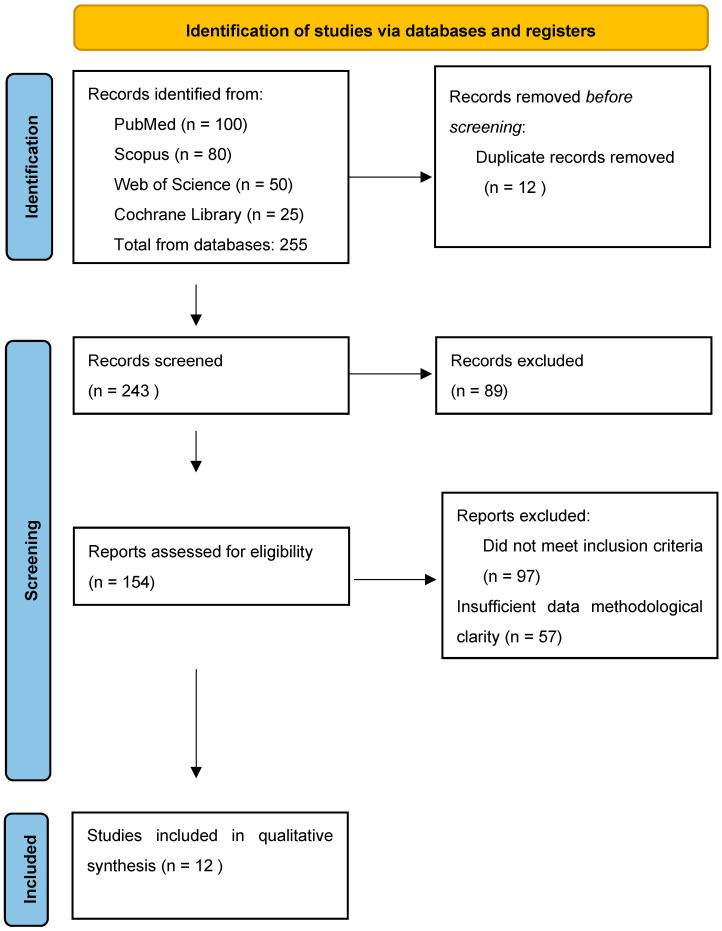
Background: Fibromyalgia, depression, and autoimmune diseases represent a triad of interconnected conditions characterized by overlapping biological pathways, including chronic inflammation, immune dysregulation, and neurochemical imbalances. Understanding their shared mechanisms offers opportunities for innovative therapeutic approaches. Objective: This systematic review explores the common inflammatory- and immune-related pathways among these conditions, emphasizing their implications for biomarker development and novel therapeutic strategies. Methods: Following PRISMA guidelines, a comprehensive literature search was conducted in databases including PubMed, Scopus, Web of Science, and the Cochrane Library. Studies examining the relationship between fibromyalgia, depression, and autoimmune diseases with a focus on immune responses, inflammatory biomarkers, and therapeutic interventions were included. The quality of the selected studies was assessed using the Cochrane Risk of Bias tool. Results: From the 255 identified studies, 12 met the inclusion criteria. Evidence supports the role of pro-inflammatory cytokines (e.g., IL-6, TNF-α) and neurochemical dysregulation (e.g., serotonin, dopamine) as key factors in the pathophysiology of these conditions. Pilot studies highlight the potential of immune-modulating therapies, including low-dose IL-2 and anti-inflammatory agents such as N-acetylcysteine and minocycline, in alleviating both physical and psychological symptoms. Emerging biomarkers, including cytokine profiles and platelet serotonin activity, show promise for personalized treatment approaches. Conclusions: The shared inflammatory pathways linking fibromyalgia, depression, and autoimmune diseases underscore the need for integrated therapeutic strategies. Although pilot studies provide preliminary insights, validation through large-scale, multicenter trials is essential. Future research should focus on standardizing methodologies and leveraging biomarker-driven precision medicine to improve outcomes for patients with these complex, multifactorial conditions.
BiomedicinesBiochemistry, Genetics and Molecular Biology-General Biochemistry,Genetics and Molecular Biology
CiteScore
5.20
自引率
8.50%
发文量
2823
审稿时长
8 weeks
期刊介绍:
Biomedicines (ISSN 2227-9059; CODEN: BIOMID) is an international, scientific, open access journal on biomedicines published quarterly online by MDPI.





 京公网安备 11010802042870号
京ICP备2023020795号-1
京公网安备 11010802042870号
京ICP备2023020795号-1

 分享
分享
 求助内容:
求助内容: 应助结果提醒方式:
 扫码关注我们
