Marine M Tanashyan, Anton A Raskurazhev, Alla A Shabalina, Andrey S Mazur, Vladislav A Annushkin, Polina I Kuznetsova, Sergey N Illarioshkin, Mikhail A Piradov
{"title":"颅内动脉粥样硬化患者循环MicroRNA表达的差异模式。","authors":"Marine M Tanashyan, Anton A Raskurazhev, Alla A Shabalina, Andrey S Mazur, Vladislav A Annushkin, Polina I Kuznetsova, Sergey N Illarioshkin, Mikhail A Piradov","doi":"10.3390/biomedicines13020514","DOIUrl":null,"url":null,"abstract":"<p><p><b>Background:</b> Intracranial atherosclerosis (ICAS) is a major cause of ischemic stroke, yet fundamental studies regarding epigenetic regulation of ICAS are lacking. We hypothesized that, due to anatomical and/or functional differences, extracranial atherosclerosis is distinct from ICAS, which may explain the clinical variability as well. <b>Methods:</b> We chose a number of miRNAs involved in various steps of atherogenesis (namely, miR-712/205-5p/-3p, miR-106b-3p/-5p, miR-146a-3p/-5p, miR-100-3p/miR-5p, miR-200c-3p/-5p, miR-532-3p/-5p, and miR-126-3p/-5p) and examined their plasma levels in a cohort of patients with carotid stenosis > 50% (n = 35, mean age: 65 years, 54% male; 12 patients had ICAS). <b>Results:</b> A differential pattern of circulating miR expression was found in ICAS patients: there was an overexpression of miR-712/205-5p, miR-106b-5p, miR-146a-5p, miR-200c-5p, miR-532-3p, and miR-126-3p. The following miRs were underexpressed in intracranial atherosclerosis-miR-712/205-3p and miR-100-3p. These changes represent a plethora of atherogenic mechanisms: smooth muscle cell migration (miR-712/205, miR-532), foam cell formation (miR-106b, miR-146a), endothelial dysfunction (miR-200c), low-density lipoprotein-induced vascular damage (miR-100), and leukocyte recruitment (miR-126). In symptomatic ICAS patients, we observed a statistically significant upregulation of miR-712/205-3p and miR-146a-5p. <b>Conclusions:</b> Overall, the findings of our pilot study revealed several new and interesting associations: (1) intracranial atherosclerosis seems to have a different epigenetic profile (regarding circulating microRNA expression) than isolated extracranial vessel involvement; (2) ischemic stroke in ICAS may be potentiated by other pathophysiologic mechanisms than in extracranial-only atherosclerosis (ECAS). Certain miRs (e.g., miR-712/205) seem to have a larger impact on ICAS than on extracranial atherosclerosis; this may be potentially linked to difference between extra- and intracranial artery morphology and physiology, and/or may lead to the said differences. This underscores the importance of making a distinction in future epigenetic studies between ECAS and ICAS, as the mechanisms of atherogenesis are likely to vary.</p>","PeriodicalId":8937,"journal":{"name":"Biomedicines","volume":"13 2","pages":""},"PeriodicalIF":3.9000,"publicationDate":"2025-02-19","publicationTypes":"Journal Article","fieldsOfStudy":null,"isOpenAccess":false,"openAccessPdf":"https://www.ncbi.nlm.nih.gov/pmc/articles/PMC11853257/pdf/","citationCount":"0","resultStr":"{\"title\":\"Differential Pattern of Circulating MicroRNA Expression in Patients with Intracranial Atherosclerosis.\",\"authors\":\"Marine M Tanashyan, Anton A Raskurazhev, Alla A Shabalina, Andrey S Mazur, Vladislav A Annushkin, Polina I Kuznetsova, Sergey N Illarioshkin, Mikhail A Piradov\",\"doi\":\"10.3390/biomedicines13020514\",\"DOIUrl\":null,\"url\":null,\"abstract\":\"<p><p><b>Background:</b> Intracranial atherosclerosis (ICAS) is a major cause of ischemic stroke, yet fundamental studies regarding epigenetic regulation of ICAS are lacking. We hypothesized that, due to anatomical and/or functional differences, extracranial atherosclerosis is distinct from ICAS, which may explain the clinical variability as well. <b>Methods:</b> We chose a number of miRNAs involved in various steps of atherogenesis (namely, miR-712/205-5p/-3p, miR-106b-3p/-5p, miR-146a-3p/-5p, miR-100-3p/miR-5p, miR-200c-3p/-5p, miR-532-3p/-5p, and miR-126-3p/-5p) and examined their plasma levels in a cohort of patients with carotid stenosis > 50% (n = 35, mean age: 65 years, 54% male; 12 patients had ICAS). <b>Results:</b> A differential pattern of circulating miR expression was found in ICAS patients: there was an overexpression of miR-712/205-5p, miR-106b-5p, miR-146a-5p, miR-200c-5p, miR-532-3p, and miR-126-3p. The following miRs were underexpressed in intracranial atherosclerosis-miR-712/205-3p and miR-100-3p. These changes represent a plethora of atherogenic mechanisms: smooth muscle cell migration (miR-712/205, miR-532), foam cell formation (miR-106b, miR-146a), endothelial dysfunction (miR-200c), low-density lipoprotein-induced vascular damage (miR-100), and leukocyte recruitment (miR-126). In symptomatic ICAS patients, we observed a statistically significant upregulation of miR-712/205-3p and miR-146a-5p. <b>Conclusions:</b> Overall, the findings of our pilot study revealed several new and interesting associations: (1) intracranial atherosclerosis seems to have a different epigenetic profile (regarding circulating microRNA expression) than isolated extracranial vessel involvement; (2) ischemic stroke in ICAS may be potentiated by other pathophysiologic mechanisms than in extracranial-only atherosclerosis (ECAS). Certain miRs (e.g., miR-712/205) seem to have a larger impact on ICAS than on extracranial atherosclerosis; this may be potentially linked to difference between extra- and intracranial artery morphology and physiology, and/or may lead to the said differences. This underscores the importance of making a distinction in future epigenetic studies between ECAS and ICAS, as the mechanisms of atherogenesis are likely to vary.</p>\",\"PeriodicalId\":8937,\"journal\":{\"name\":\"Biomedicines\",\"volume\":\"13 2\",\"pages\":\"\"},\"PeriodicalIF\":3.9000,\"publicationDate\":\"2025-02-19\",\"publicationTypes\":\"Journal Article\",\"fieldsOfStudy\":null,\"isOpenAccess\":false,\"openAccessPdf\":\"https://www.ncbi.nlm.nih.gov/pmc/articles/PMC11853257/pdf/\",\"citationCount\":\"0\",\"resultStr\":null,\"platform\":\"Semanticscholar\",\"paperid\":null,\"PeriodicalName\":\"Biomedicines\",\"FirstCategoryId\":\"5\",\"ListUrlMain\":\"https://doi.org/10.3390/biomedicines13020514\",\"RegionNum\":3,\"RegionCategory\":\"工程技术\",\"ArticlePicture\":[],\"TitleCN\":null,\"AbstractTextCN\":null,\"PMCID\":null,\"EPubDate\":\"\",\"PubModel\":\"\",\"JCR\":\"Q2\",\"JCRName\":\"BIOCHEMISTRY & MOLECULAR BIOLOGY\",\"Score\":null,\"Total\":0}","platform":"Semanticscholar","paperid":null,"PeriodicalName":"Biomedicines","FirstCategoryId":"5","ListUrlMain":"https://doi.org/10.3390/biomedicines13020514","RegionNum":3,"RegionCategory":"工程技术","ArticlePicture":[],"TitleCN":null,"AbstractTextCN":null,"PMCID":null,"EPubDate":"","PubModel":"","JCR":"Q2","JCRName":"BIOCHEMISTRY & MOLECULAR BIOLOGY","Score":null,"Total":0}
Differential Pattern of Circulating MicroRNA Expression in Patients with Intracranial Atherosclerosis.
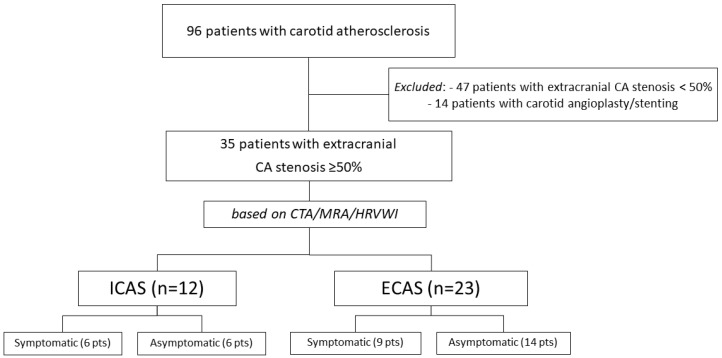
Background: Intracranial atherosclerosis (ICAS) is a major cause of ischemic stroke, yet fundamental studies regarding epigenetic regulation of ICAS are lacking. We hypothesized that, due to anatomical and/or functional differences, extracranial atherosclerosis is distinct from ICAS, which may explain the clinical variability as well. Methods: We chose a number of miRNAs involved in various steps of atherogenesis (namely, miR-712/205-5p/-3p, miR-106b-3p/-5p, miR-146a-3p/-5p, miR-100-3p/miR-5p, miR-200c-3p/-5p, miR-532-3p/-5p, and miR-126-3p/-5p) and examined their plasma levels in a cohort of patients with carotid stenosis > 50% (n = 35, mean age: 65 years, 54% male; 12 patients had ICAS). Results: A differential pattern of circulating miR expression was found in ICAS patients: there was an overexpression of miR-712/205-5p, miR-106b-5p, miR-146a-5p, miR-200c-5p, miR-532-3p, and miR-126-3p. The following miRs were underexpressed in intracranial atherosclerosis-miR-712/205-3p and miR-100-3p. These changes represent a plethora of atherogenic mechanisms: smooth muscle cell migration (miR-712/205, miR-532), foam cell formation (miR-106b, miR-146a), endothelial dysfunction (miR-200c), low-density lipoprotein-induced vascular damage (miR-100), and leukocyte recruitment (miR-126). In symptomatic ICAS patients, we observed a statistically significant upregulation of miR-712/205-3p and miR-146a-5p. Conclusions: Overall, the findings of our pilot study revealed several new and interesting associations: (1) intracranial atherosclerosis seems to have a different epigenetic profile (regarding circulating microRNA expression) than isolated extracranial vessel involvement; (2) ischemic stroke in ICAS may be potentiated by other pathophysiologic mechanisms than in extracranial-only atherosclerosis (ECAS). Certain miRs (e.g., miR-712/205) seem to have a larger impact on ICAS than on extracranial atherosclerosis; this may be potentially linked to difference between extra- and intracranial artery morphology and physiology, and/or may lead to the said differences. This underscores the importance of making a distinction in future epigenetic studies between ECAS and ICAS, as the mechanisms of atherogenesis are likely to vary.
BiomedicinesBiochemistry, Genetics and Molecular Biology-General Biochemistry,Genetics and Molecular Biology
CiteScore
5.20
自引率
8.50%
发文量
2823
审稿时长
8 weeks
期刊介绍:
Biomedicines (ISSN 2227-9059; CODEN: BIOMID) is an international, scientific, open access journal on biomedicines published quarterly online by MDPI.





 京公网安备 11010802042870号
京ICP备2023020795号-1
京公网安备 11010802042870号
京ICP备2023020795号-1

 分享
分享
 求助内容:
求助内容: 应助结果提醒方式:
 扫码关注我们
