Hasan Turkez, Sena Oner, Ozge Caglar Yıldırım, Mehmet Enes Arslan, Marilisa Pia Dimmito, Çigdem Yuce Kahraman, Lisa Marinelli, Erdal Sonmez, Özlem Kiki, Abdulgani Tatar, Ivana Cacciatore, Antonio Di Stefano, Adil Mardinoglu
{"title":"用于增强阿尔茨海默病靶向的美金刚负载Niosomes的合成和表征。","authors":"Hasan Turkez, Sena Oner, Ozge Caglar Yıldırım, Mehmet Enes Arslan, Marilisa Pia Dimmito, Çigdem Yuce Kahraman, Lisa Marinelli, Erdal Sonmez, Özlem Kiki, Abdulgani Tatar, Ivana Cacciatore, Antonio Di Stefano, Adil Mardinoglu","doi":"10.3390/pharmaceutics17020267","DOIUrl":null,"url":null,"abstract":"<p><p><b>Background/Objectives:</b> Over the past 25 years, numerous biological molecules, like recombinant lysosomal enzymes, neurotrophins, receptors, and therapeutic antibodies, have been tested in clinical trials for neurological diseases. However, achieving significant success in clinical applications has remained elusive. A primary challenge has been the inability of these molecules to traverse the blood-brain barrier (BBB). Recognizing this hurdle, our study aimed to utilize niosomes as delivery vehicles, leveraging the \"molecular Trojan horse\" technology, to enhance the transport of molecules across the BBB. <b>Methods:</b> Previously synthesized memantine derivatives (<b>MP1-4</b>) were encapsulated into niosomes for improved BBB permeability, hypothesizing that this approach could minimize peripheral drug toxicity while ensuring targeted brain delivery. Using the human neuroblastoma (SH-SY5Y) cell line differentiated into neuron-like structures with retinoic acid and then exposed to amyloid beta 1-42 peptide, we established an in vitro Alzheimer's disease (AD) model. In this model, the potential usability of <b>MP1-4</b> was assessed through viability tests (MTT) and toxicological response analysis. The niosomes' particle size and morphological structures were characterized using scanning electron microscopy (SEM), with their loading and release capacities determined via UV spectroscopy. Crucially, the ability of the niosomes to cross the BBB and their potential anti-Alzheimer efficacy were analyzed in an in vitro transwell system with endothelial cells. <b>Results:</b> The niosomal formulations demonstrated effective drug encapsulation (encapsulation efficiency: 85.3% ± 2.7%), controlled release (72 h release: 38.5% ± 1.2%), and stable morphology (PDI: 0.22 ± 0.03, zeta potential: -31.4 ± 1.5 mV). Among the derivatives, MP1, <b>MP2</b>, and <b>MP4</b> exhibited significant neuroprotective effects, enhancing cell viability by approximately 40% (<i>p</i> < 0.05) in the presence of Aβ1-42 at a concentration of 47 µg/mL. The niosomal delivery system improved BBB permeability by 2.5-fold compared to free drug derivatives, as confirmed using an in vitro bEnd.3 cell model. <b>Conclusions:</b> Memantine-loaded niosomes provide a promising platform for overcoming BBB limitations and enhancing the therapeutic efficacy of Alzheimer's disease treatments. This study highlights the potential of nanotechnology-based delivery systems in developing targeted therapies for neurodegenerative diseases. Further in vivo studies are warranted to validate these findings and explore clinical applications.</p>","PeriodicalId":19894,"journal":{"name":"Pharmaceutics","volume":"17 2","pages":""},"PeriodicalIF":5.5000,"publicationDate":"2025-02-17","publicationTypes":"Journal Article","fieldsOfStudy":null,"isOpenAccess":false,"openAccessPdf":"https://www.ncbi.nlm.nih.gov/pmc/articles/PMC11860023/pdf/","citationCount":"0","resultStr":"{\"title\":\"Synthesis and Characterization of Memantine-Loaded Niosomes for Enhanced Alzheimer's Disease Targeting.\",\"authors\":\"Hasan Turkez, Sena Oner, Ozge Caglar Yıldırım, Mehmet Enes Arslan, Marilisa Pia Dimmito, Çigdem Yuce Kahraman, Lisa Marinelli, Erdal Sonmez, Özlem Kiki, Abdulgani Tatar, Ivana Cacciatore, Antonio Di Stefano, Adil Mardinoglu\",\"doi\":\"10.3390/pharmaceutics17020267\",\"DOIUrl\":null,\"url\":null,\"abstract\":\"<p><p><b>Background/Objectives:</b> Over the past 25 years, numerous biological molecules, like recombinant lysosomal enzymes, neurotrophins, receptors, and therapeutic antibodies, have been tested in clinical trials for neurological diseases. However, achieving significant success in clinical applications has remained elusive. A primary challenge has been the inability of these molecules to traverse the blood-brain barrier (BBB). Recognizing this hurdle, our study aimed to utilize niosomes as delivery vehicles, leveraging the \\\"molecular Trojan horse\\\" technology, to enhance the transport of molecules across the BBB. <b>Methods:</b> Previously synthesized memantine derivatives (<b>MP1-4</b>) were encapsulated into niosomes for improved BBB permeability, hypothesizing that this approach could minimize peripheral drug toxicity while ensuring targeted brain delivery. Using the human neuroblastoma (SH-SY5Y) cell line differentiated into neuron-like structures with retinoic acid and then exposed to amyloid beta 1-42 peptide, we established an in vitro Alzheimer's disease (AD) model. In this model, the potential usability of <b>MP1-4</b> was assessed through viability tests (MTT) and toxicological response analysis. The niosomes' particle size and morphological structures were characterized using scanning electron microscopy (SEM), with their loading and release capacities determined via UV spectroscopy. Crucially, the ability of the niosomes to cross the BBB and their potential anti-Alzheimer efficacy were analyzed in an in vitro transwell system with endothelial cells. <b>Results:</b> The niosomal formulations demonstrated effective drug encapsulation (encapsulation efficiency: 85.3% ± 2.7%), controlled release (72 h release: 38.5% ± 1.2%), and stable morphology (PDI: 0.22 ± 0.03, zeta potential: -31.4 ± 1.5 mV). Among the derivatives, MP1, <b>MP2</b>, and <b>MP4</b> exhibited significant neuroprotective effects, enhancing cell viability by approximately 40% (<i>p</i> < 0.05) in the presence of Aβ1-42 at a concentration of 47 µg/mL. The niosomal delivery system improved BBB permeability by 2.5-fold compared to free drug derivatives, as confirmed using an in vitro bEnd.3 cell model. <b>Conclusions:</b> Memantine-loaded niosomes provide a promising platform for overcoming BBB limitations and enhancing the therapeutic efficacy of Alzheimer's disease treatments. This study highlights the potential of nanotechnology-based delivery systems in developing targeted therapies for neurodegenerative diseases. Further in vivo studies are warranted to validate these findings and explore clinical applications.</p>\",\"PeriodicalId\":19894,\"journal\":{\"name\":\"Pharmaceutics\",\"volume\":\"17 2\",\"pages\":\"\"},\"PeriodicalIF\":5.5000,\"publicationDate\":\"2025-02-17\",\"publicationTypes\":\"Journal Article\",\"fieldsOfStudy\":null,\"isOpenAccess\":false,\"openAccessPdf\":\"https://www.ncbi.nlm.nih.gov/pmc/articles/PMC11860023/pdf/\",\"citationCount\":\"0\",\"resultStr\":null,\"platform\":\"Semanticscholar\",\"paperid\":null,\"PeriodicalName\":\"Pharmaceutics\",\"FirstCategoryId\":\"3\",\"ListUrlMain\":\"https://doi.org/10.3390/pharmaceutics17020267\",\"RegionNum\":3,\"RegionCategory\":\"医学\",\"ArticlePicture\":[],\"TitleCN\":null,\"AbstractTextCN\":null,\"PMCID\":null,\"EPubDate\":\"\",\"PubModel\":\"\",\"JCR\":\"Q1\",\"JCRName\":\"PHARMACOLOGY & PHARMACY\",\"Score\":null,\"Total\":0}","platform":"Semanticscholar","paperid":null,"PeriodicalName":"Pharmaceutics","FirstCategoryId":"3","ListUrlMain":"https://doi.org/10.3390/pharmaceutics17020267","RegionNum":3,"RegionCategory":"医学","ArticlePicture":[],"TitleCN":null,"AbstractTextCN":null,"PMCID":null,"EPubDate":"","PubModel":"","JCR":"Q1","JCRName":"PHARMACOLOGY & PHARMACY","Score":null,"Total":0}
Synthesis and Characterization of Memantine-Loaded Niosomes for Enhanced Alzheimer's Disease Targeting.
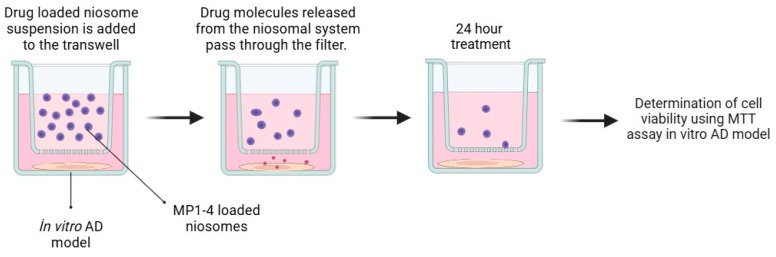
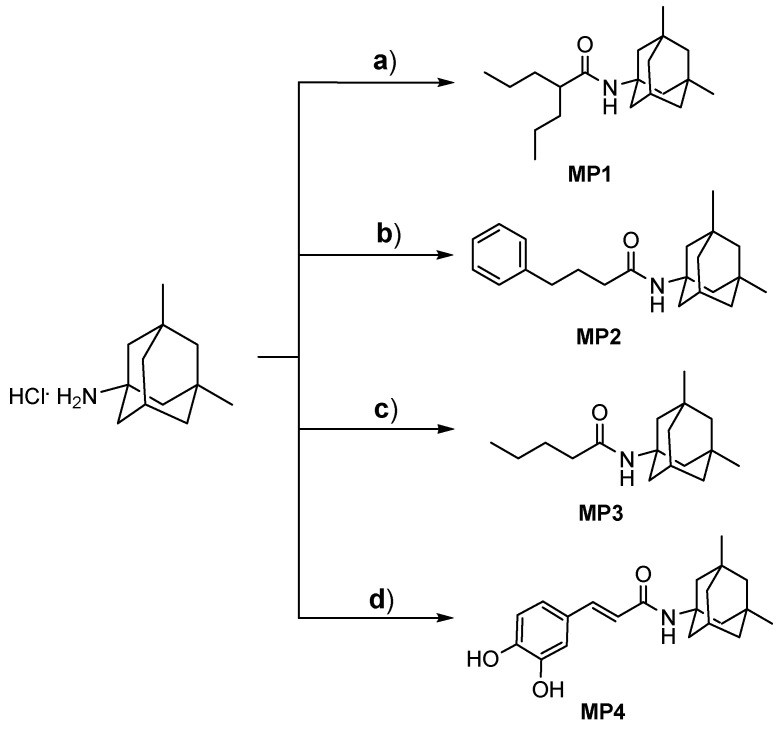
Background/Objectives: Over the past 25 years, numerous biological molecules, like recombinant lysosomal enzymes, neurotrophins, receptors, and therapeutic antibodies, have been tested in clinical trials for neurological diseases. However, achieving significant success in clinical applications has remained elusive. A primary challenge has been the inability of these molecules to traverse the blood-brain barrier (BBB). Recognizing this hurdle, our study aimed to utilize niosomes as delivery vehicles, leveraging the "molecular Trojan horse" technology, to enhance the transport of molecules across the BBB. Methods: Previously synthesized memantine derivatives (MP1-4) were encapsulated into niosomes for improved BBB permeability, hypothesizing that this approach could minimize peripheral drug toxicity while ensuring targeted brain delivery. Using the human neuroblastoma (SH-SY5Y) cell line differentiated into neuron-like structures with retinoic acid and then exposed to amyloid beta 1-42 peptide, we established an in vitro Alzheimer's disease (AD) model. In this model, the potential usability of MP1-4 was assessed through viability tests (MTT) and toxicological response analysis. The niosomes' particle size and morphological structures were characterized using scanning electron microscopy (SEM), with their loading and release capacities determined via UV spectroscopy. Crucially, the ability of the niosomes to cross the BBB and their potential anti-Alzheimer efficacy were analyzed in an in vitro transwell system with endothelial cells. Results: The niosomal formulations demonstrated effective drug encapsulation (encapsulation efficiency: 85.3% ± 2.7%), controlled release (72 h release: 38.5% ± 1.2%), and stable morphology (PDI: 0.22 ± 0.03, zeta potential: -31.4 ± 1.5 mV). Among the derivatives, MP1, MP2, and MP4 exhibited significant neuroprotective effects, enhancing cell viability by approximately 40% (p < 0.05) in the presence of Aβ1-42 at a concentration of 47 µg/mL. The niosomal delivery system improved BBB permeability by 2.5-fold compared to free drug derivatives, as confirmed using an in vitro bEnd.3 cell model. Conclusions: Memantine-loaded niosomes provide a promising platform for overcoming BBB limitations and enhancing the therapeutic efficacy of Alzheimer's disease treatments. This study highlights the potential of nanotechnology-based delivery systems in developing targeted therapies for neurodegenerative diseases. Further in vivo studies are warranted to validate these findings and explore clinical applications.
PharmaceuticsPharmacology, Toxicology and Pharmaceutics-Pharmaceutical Science
CiteScore
7.90
自引率
11.10%
发文量
2379
审稿时长
16.41 days
期刊介绍:
Pharmaceutics (ISSN 1999-4923) is an open access journal which provides an advanced forum for the science and technology of pharmaceutics and biopharmaceutics. It publishes reviews, regular research papers, communications, and short notes. Covered topics include pharmacokinetics, toxicokinetics, pharmacodynamics, pharmacogenetics and pharmacogenomics, and pharmaceutical formulation. Our aim is to encourage scientists to publish their experimental and theoretical details in as much detail as possible. There is no restriction on the length of the papers. The full experimental details must be provided so that the results can be reproduced.





 京公网安备 11010802042870号
京ICP备2023020795号-1
京公网安备 11010802042870号
京ICP备2023020795号-1

 分享
分享
 求助内容:
求助内容: 应助结果提醒方式:
 扫码关注我们
