{"title":"眼神经修复的进展:连接神经科学和信息通信技术用于视力恢复。","authors":"Daniele Giansanti","doi":"10.3390/biology14020134","DOIUrl":null,"url":null,"abstract":"<p><strong>Background: </strong>Neuroprosthetics for vision restoration have advanced significantly, incorporating technologies like retinal implants, cortical implants, and non-invasive stimulation methods. These advancements hold the potential to tackle major challenges in visual prosthetics, such as enhancing functionality, improving biocompatibility, and enabling real-time object recognition.</p><p><strong>Aim: </strong>The aim of this review overview is to provide a comprehensive analysis of the latest advancements in ocular neuroprostheses.</p><p><strong>Methods: </strong>A narrative review was conducted, focusing on the latest developments in visual neuroprosthetics. Comprehensive searches were carried out on Google Scholar, PubMed, and Scopus using specific keywords. A specific narrative checklist was applied, alongside a tailored quality assessment methodology, to evaluate the quality of the studies included. A total of sixteen relevant studies from the past three years were included in the review.</p><p><strong>Results and discussion: </strong>The integration of artificial retinas, cortical implants, high technology-enabled prosthetics, gene therapies, nanotechnology, and bioprinting has shown significant promise in enhancing the quality and functionality of vision restoration systems, offering potential to address complex visual impairments and improve independence and mobility for individuals with blindness. These innovations appear to have the potential to transform healthcare systems in the future by enabling more efficient and personalized therapies and prosthetic devices. However, challenges such as energy efficiency, scalability, and the neural dynamics of vision restoration persist, requiring continued interdisciplinary collaboration to refine these technologies, overcome ethical and regulatory hurdles, and ensure their effectiveness in real-world applications.</p><p><strong>Conclusions: </strong>While visual neuroprosthetics have made remarkable progress, addressing challenges related to energy consumption and regulatory and ethical concerns will be crucial for ensuring that neuroprosthetic devices can effectively meet the needs of individuals with visual impairments.</p>","PeriodicalId":48624,"journal":{"name":"Biology-Basel","volume":"14 2","pages":""},"PeriodicalIF":3.5000,"publicationDate":"2025-01-28","publicationTypes":"Journal Article","fieldsOfStudy":null,"isOpenAccess":false,"openAccessPdf":"https://www.ncbi.nlm.nih.gov/pmc/articles/PMC11852115/pdf/","citationCount":"0","resultStr":"{\"title\":\"Advancements in Ocular Neuro-Prosthetics: Bridging Neuroscience and Information and Communication Technology for Vision Restoration.\",\"authors\":\"Daniele Giansanti\",\"doi\":\"10.3390/biology14020134\",\"DOIUrl\":null,\"url\":null,\"abstract\":\"<p><strong>Background: </strong>Neuroprosthetics for vision restoration have advanced significantly, incorporating technologies like retinal implants, cortical implants, and non-invasive stimulation methods. These advancements hold the potential to tackle major challenges in visual prosthetics, such as enhancing functionality, improving biocompatibility, and enabling real-time object recognition.</p><p><strong>Aim: </strong>The aim of this review overview is to provide a comprehensive analysis of the latest advancements in ocular neuroprostheses.</p><p><strong>Methods: </strong>A narrative review was conducted, focusing on the latest developments in visual neuroprosthetics. Comprehensive searches were carried out on Google Scholar, PubMed, and Scopus using specific keywords. A specific narrative checklist was applied, alongside a tailored quality assessment methodology, to evaluate the quality of the studies included. A total of sixteen relevant studies from the past three years were included in the review.</p><p><strong>Results and discussion: </strong>The integration of artificial retinas, cortical implants, high technology-enabled prosthetics, gene therapies, nanotechnology, and bioprinting has shown significant promise in enhancing the quality and functionality of vision restoration systems, offering potential to address complex visual impairments and improve independence and mobility for individuals with blindness. These innovations appear to have the potential to transform healthcare systems in the future by enabling more efficient and personalized therapies and prosthetic devices. However, challenges such as energy efficiency, scalability, and the neural dynamics of vision restoration persist, requiring continued interdisciplinary collaboration to refine these technologies, overcome ethical and regulatory hurdles, and ensure their effectiveness in real-world applications.</p><p><strong>Conclusions: </strong>While visual neuroprosthetics have made remarkable progress, addressing challenges related to energy consumption and regulatory and ethical concerns will be crucial for ensuring that neuroprosthetic devices can effectively meet the needs of individuals with visual impairments.</p>\",\"PeriodicalId\":48624,\"journal\":{\"name\":\"Biology-Basel\",\"volume\":\"14 2\",\"pages\":\"\"},\"PeriodicalIF\":3.5000,\"publicationDate\":\"2025-01-28\",\"publicationTypes\":\"Journal Article\",\"fieldsOfStudy\":null,\"isOpenAccess\":false,\"openAccessPdf\":\"https://www.ncbi.nlm.nih.gov/pmc/articles/PMC11852115/pdf/\",\"citationCount\":\"0\",\"resultStr\":null,\"platform\":\"Semanticscholar\",\"paperid\":null,\"PeriodicalName\":\"Biology-Basel\",\"FirstCategoryId\":\"99\",\"ListUrlMain\":\"https://doi.org/10.3390/biology14020134\",\"RegionNum\":3,\"RegionCategory\":\"生物学\",\"ArticlePicture\":[],\"TitleCN\":null,\"AbstractTextCN\":null,\"PMCID\":null,\"EPubDate\":\"\",\"PubModel\":\"\",\"JCR\":\"Q1\",\"JCRName\":\"BIOLOGY\",\"Score\":null,\"Total\":0}","platform":"Semanticscholar","paperid":null,"PeriodicalName":"Biology-Basel","FirstCategoryId":"99","ListUrlMain":"https://doi.org/10.3390/biology14020134","RegionNum":3,"RegionCategory":"生物学","ArticlePicture":[],"TitleCN":null,"AbstractTextCN":null,"PMCID":null,"EPubDate":"","PubModel":"","JCR":"Q1","JCRName":"BIOLOGY","Score":null,"Total":0}
Advancements in Ocular Neuro-Prosthetics: Bridging Neuroscience and Information and Communication Technology for Vision Restoration.
Background: Neuroprosthetics for vision restoration have advanced significantly, incorporating technologies like retinal implants, cortical implants, and non-invasive stimulation methods. These advancements hold the potential to tackle major challenges in visual prosthetics, such as enhancing functionality, improving biocompatibility, and enabling real-time object recognition.
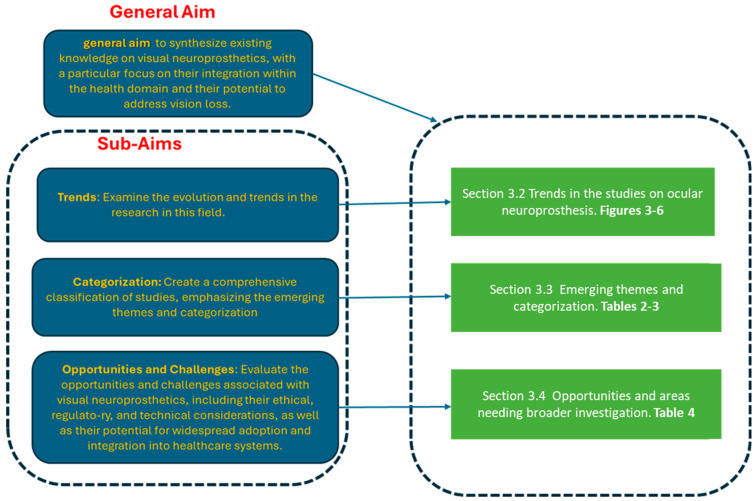
Aim: The aim of this review overview is to provide a comprehensive analysis of the latest advancements in ocular neuroprostheses.
Methods: A narrative review was conducted, focusing on the latest developments in visual neuroprosthetics. Comprehensive searches were carried out on Google Scholar, PubMed, and Scopus using specific keywords. A specific narrative checklist was applied, alongside a tailored quality assessment methodology, to evaluate the quality of the studies included. A total of sixteen relevant studies from the past three years were included in the review.
Results and discussion: The integration of artificial retinas, cortical implants, high technology-enabled prosthetics, gene therapies, nanotechnology, and bioprinting has shown significant promise in enhancing the quality and functionality of vision restoration systems, offering potential to address complex visual impairments and improve independence and mobility for individuals with blindness. These innovations appear to have the potential to transform healthcare systems in the future by enabling more efficient and personalized therapies and prosthetic devices. However, challenges such as energy efficiency, scalability, and the neural dynamics of vision restoration persist, requiring continued interdisciplinary collaboration to refine these technologies, overcome ethical and regulatory hurdles, and ensure their effectiveness in real-world applications.
Conclusions: While visual neuroprosthetics have made remarkable progress, addressing challenges related to energy consumption and regulatory and ethical concerns will be crucial for ensuring that neuroprosthetic devices can effectively meet the needs of individuals with visual impairments.
期刊介绍:
Biology (ISSN 2079-7737) is an international, peer-reviewed, quick-refereeing open access journal of Biological Science published by MDPI online. It publishes reviews, research papers and communications in all areas of biology and at the interface of related disciplines. Our aim is to encourage scientists to publish their experimental and theoretical results in as much detail as possible. There is no restriction on the length of the papers. The full experimental details must be provided so that the results can be reproduced. Electronic files regarding the full details of the experimental procedure, if unable to be published in a normal way, can be deposited as supplementary material.





 京公网安备 11010802042870号
京ICP备2023020795号-1
京公网安备 11010802042870号
京ICP备2023020795号-1

 分享
分享
 求助内容:
求助内容: 应助结果提醒方式:
 扫码关注我们
