Katelyn M Lawson, Hannah G Talbert, Jeffrey E Hill
{"title":"美国佛罗里达半岛已建立的非本地鱼类传播的量化和预测。","authors":"Katelyn M Lawson, Hannah G Talbert, Jeffrey E Hill","doi":"10.3390/biology14020189","DOIUrl":null,"url":null,"abstract":"<p><p>The spread of non-native species plays a substantial role in the designation of a species as invasive, yet the determination and measurement of non-native-species spread is challenging, particularly for fishes, which are limited by aquatic connectivity. Spread has been quantified for fishes in a variety of ways and exact methods vary by region and taxonomic group. In this study, we quantified fish spread in peninsular Florida and used life history traits to understand what factors contribute to the rate at which fish species spread. Using a variety of statistical analyses, we found that fast spreaders in peninsular Florida tend to have a larger body size, narrow diet, shorter time to hatch, greater salinity tolerance, and higher fecundity. However, some variables like parental care, egg diameter, and reproductive guild were the same or very similar across all established species that were included in the analyses. Predicting whether an established species will spread quickly or slowly in Florida may be more challenging than predicting whether an introduced fish species will establish, yet there is support across regions for the use of life history traits in the risk assessment process.</p>","PeriodicalId":48624,"journal":{"name":"Biology-Basel","volume":"14 2","pages":""},"PeriodicalIF":4.3000,"publicationDate":"2025-02-12","publicationTypes":"Journal Article","fieldsOfStudy":null,"isOpenAccess":false,"openAccessPdf":"https://www.ncbi.nlm.nih.gov/pmc/articles/PMC11852303/pdf/","citationCount":"0","resultStr":"{\"title\":\"Quantifying and Predicting the Spread of Established Non-Native Fishes in Peninsular Florida, USA.\",\"authors\":\"Katelyn M Lawson, Hannah G Talbert, Jeffrey E Hill\",\"doi\":\"10.3390/biology14020189\",\"DOIUrl\":null,\"url\":null,\"abstract\":\"<p><p>The spread of non-native species plays a substantial role in the designation of a species as invasive, yet the determination and measurement of non-native-species spread is challenging, particularly for fishes, which are limited by aquatic connectivity. Spread has been quantified for fishes in a variety of ways and exact methods vary by region and taxonomic group. In this study, we quantified fish spread in peninsular Florida and used life history traits to understand what factors contribute to the rate at which fish species spread. Using a variety of statistical analyses, we found that fast spreaders in peninsular Florida tend to have a larger body size, narrow diet, shorter time to hatch, greater salinity tolerance, and higher fecundity. However, some variables like parental care, egg diameter, and reproductive guild were the same or very similar across all established species that were included in the analyses. Predicting whether an established species will spread quickly or slowly in Florida may be more challenging than predicting whether an introduced fish species will establish, yet there is support across regions for the use of life history traits in the risk assessment process.</p>\",\"PeriodicalId\":48624,\"journal\":{\"name\":\"Biology-Basel\",\"volume\":\"14 2\",\"pages\":\"\"},\"PeriodicalIF\":4.3000,\"publicationDate\":\"2025-02-12\",\"publicationTypes\":\"Journal Article\",\"fieldsOfStudy\":null,\"isOpenAccess\":false,\"openAccessPdf\":\"https://www.ncbi.nlm.nih.gov/pmc/articles/PMC11852303/pdf/\",\"citationCount\":\"0\",\"resultStr\":null,\"platform\":\"Semanticscholar\",\"paperid\":null,\"PeriodicalName\":\"Biology-Basel\",\"FirstCategoryId\":\"99\",\"ListUrlMain\":\"https://doi.org/10.3390/biology14020189\",\"RegionNum\":3,\"RegionCategory\":\"生物学\",\"ArticlePicture\":[],\"TitleCN\":null,\"AbstractTextCN\":null,\"PMCID\":null,\"EPubDate\":\"\",\"PubModel\":\"\",\"JCR\":\"Q1\",\"JCRName\":\"BIOLOGY\",\"Score\":null,\"Total\":0}","platform":"Semanticscholar","paperid":null,"PeriodicalName":"Biology-Basel","FirstCategoryId":"99","ListUrlMain":"https://doi.org/10.3390/biology14020189","RegionNum":3,"RegionCategory":"生物学","ArticlePicture":[],"TitleCN":null,"AbstractTextCN":null,"PMCID":null,"EPubDate":"","PubModel":"","JCR":"Q1","JCRName":"BIOLOGY","Score":null,"Total":0}
Quantifying and Predicting the Spread of Established Non-Native Fishes in Peninsular Florida, USA.
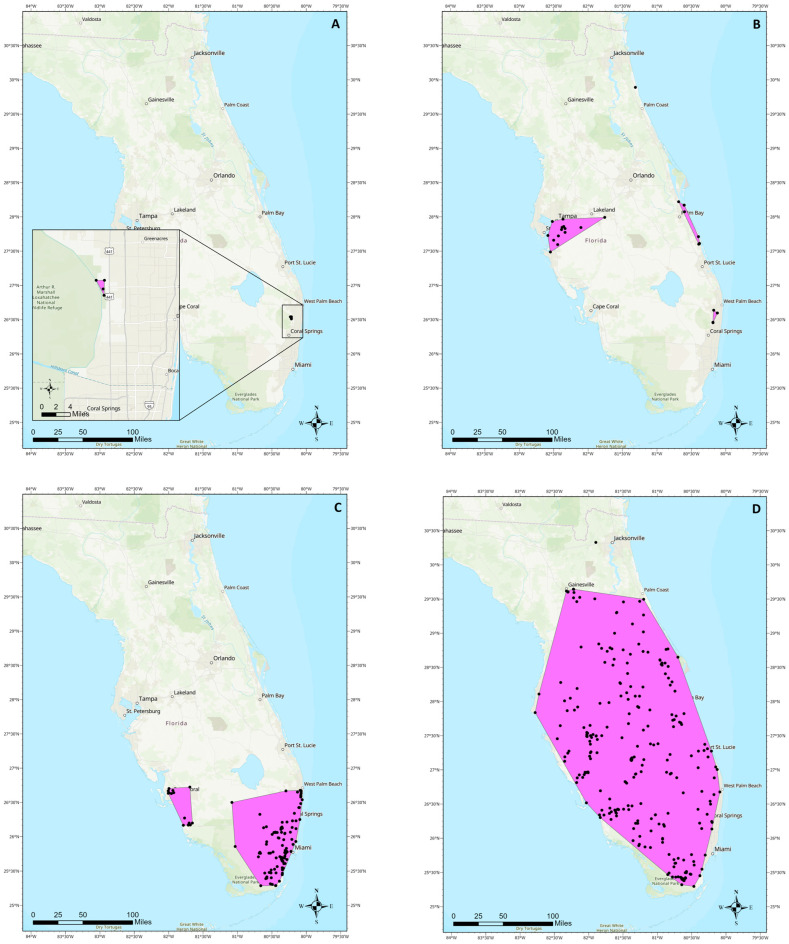
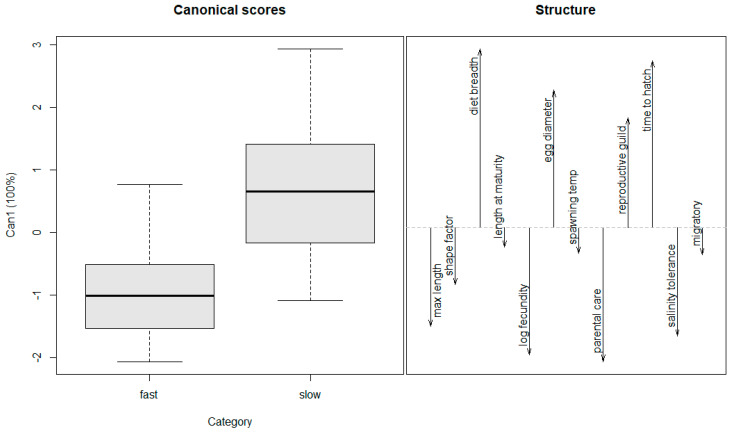
The spread of non-native species plays a substantial role in the designation of a species as invasive, yet the determination and measurement of non-native-species spread is challenging, particularly for fishes, which are limited by aquatic connectivity. Spread has been quantified for fishes in a variety of ways and exact methods vary by region and taxonomic group. In this study, we quantified fish spread in peninsular Florida and used life history traits to understand what factors contribute to the rate at which fish species spread. Using a variety of statistical analyses, we found that fast spreaders in peninsular Florida tend to have a larger body size, narrow diet, shorter time to hatch, greater salinity tolerance, and higher fecundity. However, some variables like parental care, egg diameter, and reproductive guild were the same or very similar across all established species that were included in the analyses. Predicting whether an established species will spread quickly or slowly in Florida may be more challenging than predicting whether an introduced fish species will establish, yet there is support across regions for the use of life history traits in the risk assessment process.
期刊介绍:
Biology (ISSN 2079-7737) is an international, peer-reviewed, quick-refereeing open access journal of Biological Science published by MDPI online. It publishes reviews, research papers and communications in all areas of biology and at the interface of related disciplines. Our aim is to encourage scientists to publish their experimental and theoretical results in as much detail as possible. There is no restriction on the length of the papers. The full experimental details must be provided so that the results can be reproduced. Electronic files regarding the full details of the experimental procedure, if unable to be published in a normal way, can be deposited as supplementary material.




 京公网安备 11010802042870号
京ICP备2023020795号-1
京公网安备 11010802042870号
京ICP备2023020795号-1

 分享
分享
 求助内容:
求助内容: 应助结果提醒方式:
 扫码关注我们
