Bianca Maria Negruțiu, Claudia Elena Staniș, Ligia Luminița Vaida, Abel Emanuel Moca, Cristina Paula Costea, Raluca Iurcov, Alexandru Nicolae Pîrvan, Marius Rus
{"title":"正畸患者疼痛、饮食和止痛药使用的评估:一项观察性研究。","authors":"Bianca Maria Negruțiu, Claudia Elena Staniș, Ligia Luminița Vaida, Abel Emanuel Moca, Cristina Paula Costea, Raluca Iurcov, Alexandru Nicolae Pîrvan, Marius Rus","doi":"10.3390/medicina61020357","DOIUrl":null,"url":null,"abstract":"<p><p><i>Background/Objectives</i>: Orthodontic treatment offers significant functional and aesthetic benefits, but it often causes discomfort, impacting patients' daily activities, including diet and medication use. The primary aim of this observational study was to assess the influence of orthodontic patients' age, gender, and living environment on pain duration, diet impairment, and analgesic use one week after their first adjustment visit to the orthodontist. <i>Methods</i>: This observational study included a sample of 194 orthodontic patients who completed a questionnaire consisting of six single-choice questions. The questions addressed the following variables: age, gender, living environment, pain duration, diet impairment, and analgesic use. The main inclusion criteria encompassed undergoing fixed orthodontic treatment on the upper arch for one week using a 0.0016-inch superelastic NiTi archwire (American Orthodontics, Sheboygan, WI, USA) and presenting moderate to severe crowding of the upper and lower anterior teeth. <i>Results</i>: Female patients were significantly more likely to experience diet impairment than males (51.9% vs. 33.3%, <i>p</i> = 0.013). Among female patients reporting pain lasting approximately one week, a higher proportion resided in rural areas (25% vs. 6.8%, <i>p</i> = 0.045), whereas male patients reporting the same pain duration predominantly lived in urban areas (12.5% vs. 0%, <i>p</i> = 0.028). Overall, 55.7% of participants used analgesics, with females in rural areas being the most frequent users. Additionally, patients who used analgesics were significantly more likely to experience diet impairment than those who did not (64.3% vs. 49.1%, <i>p</i> = 0.041). <i>Conclusions</i>: Female patients residing in rural areas reported a longer duration of pain, which led to a greater likelihood of experiencing diet impairment and increased consumption of analgesics compared to their counterparts. These findings highlight the need for personalized pain management strategies in orthodontic treatment, especially for patients with increased vulnerability to discomfort.</p>","PeriodicalId":49830,"journal":{"name":"Medicina-Lithuania","volume":"61 2","pages":""},"PeriodicalIF":2.9000,"publicationDate":"2025-02-19","publicationTypes":"Journal Article","fieldsOfStudy":null,"isOpenAccess":false,"openAccessPdf":"https://www.ncbi.nlm.nih.gov/pmc/articles/PMC11857334/pdf/","citationCount":"0","resultStr":"{\"title\":\"Assessment of Pain, Diet, and Analgesic Use in Orthodontic Patients: An Observational Study.\",\"authors\":\"Bianca Maria Negruțiu, Claudia Elena Staniș, Ligia Luminița Vaida, Abel Emanuel Moca, Cristina Paula Costea, Raluca Iurcov, Alexandru Nicolae Pîrvan, Marius Rus\",\"doi\":\"10.3390/medicina61020357\",\"DOIUrl\":null,\"url\":null,\"abstract\":\"<p><p><i>Background/Objectives</i>: Orthodontic treatment offers significant functional and aesthetic benefits, but it often causes discomfort, impacting patients' daily activities, including diet and medication use. The primary aim of this observational study was to assess the influence of orthodontic patients' age, gender, and living environment on pain duration, diet impairment, and analgesic use one week after their first adjustment visit to the orthodontist. <i>Methods</i>: This observational study included a sample of 194 orthodontic patients who completed a questionnaire consisting of six single-choice questions. The questions addressed the following variables: age, gender, living environment, pain duration, diet impairment, and analgesic use. The main inclusion criteria encompassed undergoing fixed orthodontic treatment on the upper arch for one week using a 0.0016-inch superelastic NiTi archwire (American Orthodontics, Sheboygan, WI, USA) and presenting moderate to severe crowding of the upper and lower anterior teeth. <i>Results</i>: Female patients were significantly more likely to experience diet impairment than males (51.9% vs. 33.3%, <i>p</i> = 0.013). Among female patients reporting pain lasting approximately one week, a higher proportion resided in rural areas (25% vs. 6.8%, <i>p</i> = 0.045), whereas male patients reporting the same pain duration predominantly lived in urban areas (12.5% vs. 0%, <i>p</i> = 0.028). Overall, 55.7% of participants used analgesics, with females in rural areas being the most frequent users. Additionally, patients who used analgesics were significantly more likely to experience diet impairment than those who did not (64.3% vs. 49.1%, <i>p</i> = 0.041). <i>Conclusions</i>: Female patients residing in rural areas reported a longer duration of pain, which led to a greater likelihood of experiencing diet impairment and increased consumption of analgesics compared to their counterparts. These findings highlight the need for personalized pain management strategies in orthodontic treatment, especially for patients with increased vulnerability to discomfort.</p>\",\"PeriodicalId\":49830,\"journal\":{\"name\":\"Medicina-Lithuania\",\"volume\":\"61 2\",\"pages\":\"\"},\"PeriodicalIF\":2.9000,\"publicationDate\":\"2025-02-19\",\"publicationTypes\":\"Journal Article\",\"fieldsOfStudy\":null,\"isOpenAccess\":false,\"openAccessPdf\":\"https://www.ncbi.nlm.nih.gov/pmc/articles/PMC11857334/pdf/\",\"citationCount\":\"0\",\"resultStr\":null,\"platform\":\"Semanticscholar\",\"paperid\":null,\"PeriodicalName\":\"Medicina-Lithuania\",\"FirstCategoryId\":\"3\",\"ListUrlMain\":\"https://doi.org/10.3390/medicina61020357\",\"RegionNum\":4,\"RegionCategory\":\"医学\",\"ArticlePicture\":[],\"TitleCN\":null,\"AbstractTextCN\":null,\"PMCID\":null,\"EPubDate\":\"\",\"PubModel\":\"\",\"JCR\":\"Q1\",\"JCRName\":\"MEDICINE, GENERAL & INTERNAL\",\"Score\":null,\"Total\":0}","platform":"Semanticscholar","paperid":null,"PeriodicalName":"Medicina-Lithuania","FirstCategoryId":"3","ListUrlMain":"https://doi.org/10.3390/medicina61020357","RegionNum":4,"RegionCategory":"医学","ArticlePicture":[],"TitleCN":null,"AbstractTextCN":null,"PMCID":null,"EPubDate":"","PubModel":"","JCR":"Q1","JCRName":"MEDICINE, GENERAL & INTERNAL","Score":null,"Total":0}
引用次数: 0
摘要
背景/目的:正畸治疗提供了显著的功能和美学益处,但它经常引起不适,影响患者的日常活动,包括饮食和药物使用。本观察性研究的主要目的是评估正畸患者的年龄、性别和生活环境对疼痛持续时间、饮食障碍和镇痛药使用一周后首次就诊的影响。方法:这项观察性研究包括194名正畸患者,他们完成了一份由6个单选题组成的问卷。这些问题涉及以下变量:年龄、性别、生活环境、疼痛持续时间、饮食障碍和止痛药的使用。主要纳入标准包括使用0.0016英寸超弹性NiTi弓丝(American Orthodontics, Sheboygan, WI, USA)对上弓进行固定正畸治疗一周,并出现上、下前牙中度至重度拥挤。结果:女性患者比男性患者更容易出现饮食障碍(51.9% vs. 33.3%, p = 0.013)。在报告疼痛持续约一周的女性患者中,较高比例居住在农村地区(25%对6.8%,p = 0.045),而报告相同疼痛持续时间的男性患者主要居住在城市地区(12.5%对0%,p = 0.028)。总体而言,55.7%的参与者使用镇痛剂,农村地区的女性是最常见的使用者。此外,使用镇痛药的患者比未使用镇痛药的患者更容易出现饮食障碍(64.3% vs 49.1%, p = 0.041)。结论:居住在农村地区的女性患者报告的疼痛持续时间较长,与同行相比,这导致更大的可能性经历饮食障碍和增加止痛药的消耗。这些发现强调了在正畸治疗中个性化疼痛管理策略的必要性,特别是对于易受不适影响的患者。
Assessment of Pain, Diet, and Analgesic Use in Orthodontic Patients: An Observational Study.
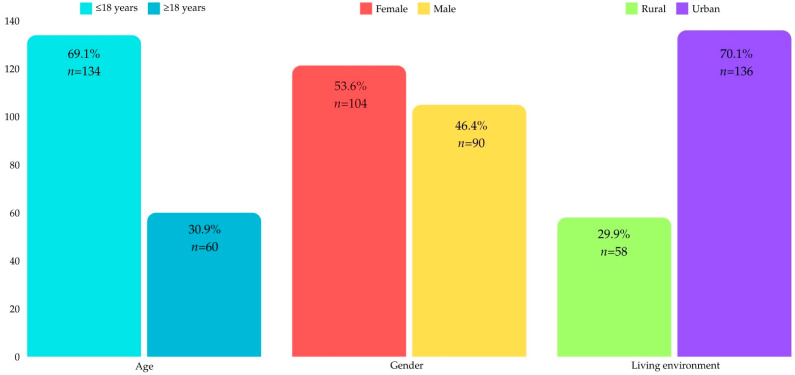
Background/Objectives: Orthodontic treatment offers significant functional and aesthetic benefits, but it often causes discomfort, impacting patients' daily activities, including diet and medication use. The primary aim of this observational study was to assess the influence of orthodontic patients' age, gender, and living environment on pain duration, diet impairment, and analgesic use one week after their first adjustment visit to the orthodontist. Methods: This observational study included a sample of 194 orthodontic patients who completed a questionnaire consisting of six single-choice questions. The questions addressed the following variables: age, gender, living environment, pain duration, diet impairment, and analgesic use. The main inclusion criteria encompassed undergoing fixed orthodontic treatment on the upper arch for one week using a 0.0016-inch superelastic NiTi archwire (American Orthodontics, Sheboygan, WI, USA) and presenting moderate to severe crowding of the upper and lower anterior teeth. Results: Female patients were significantly more likely to experience diet impairment than males (51.9% vs. 33.3%, p = 0.013). Among female patients reporting pain lasting approximately one week, a higher proportion resided in rural areas (25% vs. 6.8%, p = 0.045), whereas male patients reporting the same pain duration predominantly lived in urban areas (12.5% vs. 0%, p = 0.028). Overall, 55.7% of participants used analgesics, with females in rural areas being the most frequent users. Additionally, patients who used analgesics were significantly more likely to experience diet impairment than those who did not (64.3% vs. 49.1%, p = 0.041). Conclusions: Female patients residing in rural areas reported a longer duration of pain, which led to a greater likelihood of experiencing diet impairment and increased consumption of analgesics compared to their counterparts. These findings highlight the need for personalized pain management strategies in orthodontic treatment, especially for patients with increased vulnerability to discomfort.
期刊介绍:
The journal’s main focus is on reviews as well as clinical and experimental investigations. The journal aims to advance knowledge related to problems in medicine in developing countries as well as developed economies, to disseminate research on global health, and to promote and foster prevention and treatment of diseases worldwide. MEDICINA publications cater to clinicians, diagnosticians and researchers, and serve as a forum to discuss the current status of health-related matters and their impact on a global and local scale.




 京公网安备 11010802042870号
京ICP备2023020795号-1
京公网安备 11010802042870号
京ICP备2023020795号-1

 分享
分享
 求助内容:
求助内容: 应助结果提醒方式:
 扫码关注我们
