Garegin Manukyan, Daniel Beel, Marcus Thudium, Christina Katharina Weisheit
{"title":"芬太尼对眼科手术恢复时间和低血压事件影响的比较研究。","authors":"Garegin Manukyan, Daniel Beel, Marcus Thudium, Christina Katharina Weisheit","doi":"10.3390/medicina61020282","DOIUrl":null,"url":null,"abstract":"<p><p><i>Background and Objectives</i>: Remifentanil is a member of the fentanyl family and a short-acting, esterase-metabolized opioid that offers potential advantages over fentanyl in ophthalmic surgeries characterized by rapid patient turnover. This study aimed to compare two different analgesia induction regimes, remifentanil or fentanyl, with respect to intraoperative hypotensive events and perioperative process times in patients undergoing ophthalmic surgery under general anesthesia. <i>Materials and Methods</i>: Clinical data of 500 patients either receiving remifentanil infusion (R group, 0.4-0.5 μg/kg/min at induction, and then 0.1 µg/kg/min maintenance dose) or fentanyl bolus (F group, 1 μg/kg for induction followed by 0.1 μg/kg/min remifentanil maintenance dose) were analyzed in this retrospective study. All patients received a propofol injection as part of the induction and sevoflurane for the maintenance of anesthesia. We investigated hemodynamic events as defined by the administration of vasopressors, atropine and Akrinor (Theodrenaline and Cafedrine), as well as procedural times in the two groups. <i>Results</i>: There was no difference in hypotensive events between the two groups. However, there was a relationship between preoperative ASA (American Society of Anesthesiologists) status and vasopressor administration. The amount of propofol for the induction of anesthesia exhibited a significant correlation to the age of the patients (<i>p</i> < 0.05). The time from the end of anesthesia to discharge from the recovery room was significantly reduced by approximately 6 min per patient in the remifentanil group (<i>p</i> < 0.01). In conclusion, the induction of anesthesia with high-dose remifentanil combined with propofol can significantly shorten the time span to discharge from the recovery ward compared to fentanyl bolus administration, without an increase in the administration of vasopressors in patients undergoing ophthalmic surgery in general anesthesia. <i>Conclusions</i>: These findings suggest that remifentanil may be a more effective choice for anesthesia management in settings with high patient turnover.</p>","PeriodicalId":49830,"journal":{"name":"Medicina-Lithuania","volume":"61 2","pages":""},"PeriodicalIF":2.9000,"publicationDate":"2025-02-06","publicationTypes":"Journal Article","fieldsOfStudy":null,"isOpenAccess":false,"openAccessPdf":"https://www.ncbi.nlm.nih.gov/pmc/articles/PMC11857306/pdf/","citationCount":"0","resultStr":"{\"title\":\"Impact of Fentanyl on Recovery Times and Hypotensive Events in Ophthalmic Surgery: A Comparative Study.\",\"authors\":\"Garegin Manukyan, Daniel Beel, Marcus Thudium, Christina Katharina Weisheit\",\"doi\":\"10.3390/medicina61020282\",\"DOIUrl\":null,\"url\":null,\"abstract\":\"<p><p><i>Background and Objectives</i>: Remifentanil is a member of the fentanyl family and a short-acting, esterase-metabolized opioid that offers potential advantages over fentanyl in ophthalmic surgeries characterized by rapid patient turnover. This study aimed to compare two different analgesia induction regimes, remifentanil or fentanyl, with respect to intraoperative hypotensive events and perioperative process times in patients undergoing ophthalmic surgery under general anesthesia. <i>Materials and Methods</i>: Clinical data of 500 patients either receiving remifentanil infusion (R group, 0.4-0.5 μg/kg/min at induction, and then 0.1 µg/kg/min maintenance dose) or fentanyl bolus (F group, 1 μg/kg for induction followed by 0.1 μg/kg/min remifentanil maintenance dose) were analyzed in this retrospective study. All patients received a propofol injection as part of the induction and sevoflurane for the maintenance of anesthesia. We investigated hemodynamic events as defined by the administration of vasopressors, atropine and Akrinor (Theodrenaline and Cafedrine), as well as procedural times in the two groups. <i>Results</i>: There was no difference in hypotensive events between the two groups. However, there was a relationship between preoperative ASA (American Society of Anesthesiologists) status and vasopressor administration. The amount of propofol for the induction of anesthesia exhibited a significant correlation to the age of the patients (<i>p</i> < 0.05). The time from the end of anesthesia to discharge from the recovery room was significantly reduced by approximately 6 min per patient in the remifentanil group (<i>p</i> < 0.01). In conclusion, the induction of anesthesia with high-dose remifentanil combined with propofol can significantly shorten the time span to discharge from the recovery ward compared to fentanyl bolus administration, without an increase in the administration of vasopressors in patients undergoing ophthalmic surgery in general anesthesia. <i>Conclusions</i>: These findings suggest that remifentanil may be a more effective choice for anesthesia management in settings with high patient turnover.</p>\",\"PeriodicalId\":49830,\"journal\":{\"name\":\"Medicina-Lithuania\",\"volume\":\"61 2\",\"pages\":\"\"},\"PeriodicalIF\":2.9000,\"publicationDate\":\"2025-02-06\",\"publicationTypes\":\"Journal Article\",\"fieldsOfStudy\":null,\"isOpenAccess\":false,\"openAccessPdf\":\"https://www.ncbi.nlm.nih.gov/pmc/articles/PMC11857306/pdf/\",\"citationCount\":\"0\",\"resultStr\":null,\"platform\":\"Semanticscholar\",\"paperid\":null,\"PeriodicalName\":\"Medicina-Lithuania\",\"FirstCategoryId\":\"3\",\"ListUrlMain\":\"https://doi.org/10.3390/medicina61020282\",\"RegionNum\":4,\"RegionCategory\":\"医学\",\"ArticlePicture\":[],\"TitleCN\":null,\"AbstractTextCN\":null,\"PMCID\":null,\"EPubDate\":\"\",\"PubModel\":\"\",\"JCR\":\"Q1\",\"JCRName\":\"MEDICINE, GENERAL & INTERNAL\",\"Score\":null,\"Total\":0}","platform":"Semanticscholar","paperid":null,"PeriodicalName":"Medicina-Lithuania","FirstCategoryId":"3","ListUrlMain":"https://doi.org/10.3390/medicina61020282","RegionNum":4,"RegionCategory":"医学","ArticlePicture":[],"TitleCN":null,"AbstractTextCN":null,"PMCID":null,"EPubDate":"","PubModel":"","JCR":"Q1","JCRName":"MEDICINE, GENERAL & INTERNAL","Score":null,"Total":0}
Impact of Fentanyl on Recovery Times and Hypotensive Events in Ophthalmic Surgery: A Comparative Study.
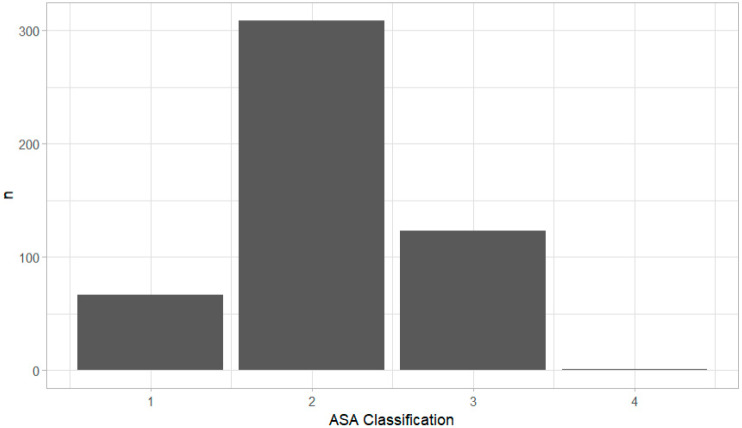
Background and Objectives: Remifentanil is a member of the fentanyl family and a short-acting, esterase-metabolized opioid that offers potential advantages over fentanyl in ophthalmic surgeries characterized by rapid patient turnover. This study aimed to compare two different analgesia induction regimes, remifentanil or fentanyl, with respect to intraoperative hypotensive events and perioperative process times in patients undergoing ophthalmic surgery under general anesthesia. Materials and Methods: Clinical data of 500 patients either receiving remifentanil infusion (R group, 0.4-0.5 μg/kg/min at induction, and then 0.1 µg/kg/min maintenance dose) or fentanyl bolus (F group, 1 μg/kg for induction followed by 0.1 μg/kg/min remifentanil maintenance dose) were analyzed in this retrospective study. All patients received a propofol injection as part of the induction and sevoflurane for the maintenance of anesthesia. We investigated hemodynamic events as defined by the administration of vasopressors, atropine and Akrinor (Theodrenaline and Cafedrine), as well as procedural times in the two groups. Results: There was no difference in hypotensive events between the two groups. However, there was a relationship between preoperative ASA (American Society of Anesthesiologists) status and vasopressor administration. The amount of propofol for the induction of anesthesia exhibited a significant correlation to the age of the patients (p < 0.05). The time from the end of anesthesia to discharge from the recovery room was significantly reduced by approximately 6 min per patient in the remifentanil group (p < 0.01). In conclusion, the induction of anesthesia with high-dose remifentanil combined with propofol can significantly shorten the time span to discharge from the recovery ward compared to fentanyl bolus administration, without an increase in the administration of vasopressors in patients undergoing ophthalmic surgery in general anesthesia. Conclusions: These findings suggest that remifentanil may be a more effective choice for anesthesia management in settings with high patient turnover.
期刊介绍:
The journal’s main focus is on reviews as well as clinical and experimental investigations. The journal aims to advance knowledge related to problems in medicine in developing countries as well as developed economies, to disseminate research on global health, and to promote and foster prevention and treatment of diseases worldwide. MEDICINA publications cater to clinicians, diagnosticians and researchers, and serve as a forum to discuss the current status of health-related matters and their impact on a global and local scale.





 京公网安备 11010802042870号
京ICP备2023020795号-1
京公网安备 11010802042870号
京ICP备2023020795号-1

 分享
分享
 求助内容:
求助内容: 应助结果提醒方式:
 扫码关注我们
