Lavinia Hogea, Dana Cătălina Tabugan, Iuliana Costea, Oana Albai, Laura Nussbaum, Adriana Cojocaru, Leonardo Corsaro, Teodora Anghel
{"title":"致幻剂治疗物质使用障碍的治疗潜力:临床试验综述。","authors":"Lavinia Hogea, Dana Cătălina Tabugan, Iuliana Costea, Oana Albai, Laura Nussbaum, Adriana Cojocaru, Leonardo Corsaro, Teodora Anghel","doi":"10.3390/medicina61020278","DOIUrl":null,"url":null,"abstract":"<p><p><i>Background and Objectives</i>: Substance use disorders (SUDs) affect millions worldwide. Despite increasing drug use, treatment options remain limited. Psychedelic-assisted therapy (PAT), integrating psychedelic substances with psychotherapy, offers a promising alternative by addressing underlying neural mechanisms. <i>Materials and Methods</i>: This review's purpose is to investigate the current understanding of psychedelic therapy for treating SUDs, including tobacco, alcohol, and drug addiction. The systematic review approach focused on clinical trials and randomized controlled trials conducted from 2013 to 2023. The search was performed using PubMed, Google Scholar, and Consensus AI, following PRISMA guidelines. Studies involving psychedelics like LSD, psilocybin, ibogaine, and ayahuasca for treating various addictions were included, excluding naturalistic studies and reviews. <i>Results</i>: Our results highlight the key findings from 16 clinical trials investigating psychedelic therapy for SUDs. Psychedelics like psilocybin and ayahuasca showed promise in reducing alcohol and tobacco dependence, with psilocybin being particularly effective in decreasing cravings and promoting long-term abstinence. The studies revealed significant improvements in substance use reduction, especially when combined with psychotherapy. However, the variability in dosages and study design calls for more standardized approaches. These findings emphasize the potential of psychedelics in SUD treatment, though further large-scale research is needed to validate these results and develop consistent protocols. <i>Conclusions</i>: This research reviewed the past decade's international experience, emphasizing the growing potential of psychedelic therapy in treating SUDs pertaining to alcohol, tobacco, and cocaine dependence. Psychedelics such as psilocybin and ketamine can reduce cravings and promote psychological well-being, especially when combined with psychotherapy. However, regulatory barriers and specialized clinical training are necessary to integrate these therapies into mainstream addiction treatment safely. Psychedelics offer a promising alternative for those unresponsive to conventional methods.</p>","PeriodicalId":49830,"journal":{"name":"Medicina-Lithuania","volume":"61 2","pages":""},"PeriodicalIF":2.4000,"publicationDate":"2025-02-06","publicationTypes":"Journal Article","fieldsOfStudy":null,"isOpenAccess":false,"openAccessPdf":"https://www.ncbi.nlm.nih.gov/pmc/articles/PMC11857248/pdf/","citationCount":"0","resultStr":"{\"title\":\"The Therapeutic Potential of Psychedelics in Treating Substance Use Disorders: A Review of Clinical Trials.\",\"authors\":\"Lavinia Hogea, Dana Cătălina Tabugan, Iuliana Costea, Oana Albai, Laura Nussbaum, Adriana Cojocaru, Leonardo Corsaro, Teodora Anghel\",\"doi\":\"10.3390/medicina61020278\",\"DOIUrl\":null,\"url\":null,\"abstract\":\"<p><p><i>Background and Objectives</i>: Substance use disorders (SUDs) affect millions worldwide. Despite increasing drug use, treatment options remain limited. Psychedelic-assisted therapy (PAT), integrating psychedelic substances with psychotherapy, offers a promising alternative by addressing underlying neural mechanisms. <i>Materials and Methods</i>: This review's purpose is to investigate the current understanding of psychedelic therapy for treating SUDs, including tobacco, alcohol, and drug addiction. The systematic review approach focused on clinical trials and randomized controlled trials conducted from 2013 to 2023. The search was performed using PubMed, Google Scholar, and Consensus AI, following PRISMA guidelines. Studies involving psychedelics like LSD, psilocybin, ibogaine, and ayahuasca for treating various addictions were included, excluding naturalistic studies and reviews. <i>Results</i>: Our results highlight the key findings from 16 clinical trials investigating psychedelic therapy for SUDs. Psychedelics like psilocybin and ayahuasca showed promise in reducing alcohol and tobacco dependence, with psilocybin being particularly effective in decreasing cravings and promoting long-term abstinence. The studies revealed significant improvements in substance use reduction, especially when combined with psychotherapy. However, the variability in dosages and study design calls for more standardized approaches. These findings emphasize the potential of psychedelics in SUD treatment, though further large-scale research is needed to validate these results and develop consistent protocols. <i>Conclusions</i>: This research reviewed the past decade's international experience, emphasizing the growing potential of psychedelic therapy in treating SUDs pertaining to alcohol, tobacco, and cocaine dependence. Psychedelics such as psilocybin and ketamine can reduce cravings and promote psychological well-being, especially when combined with psychotherapy. However, regulatory barriers and specialized clinical training are necessary to integrate these therapies into mainstream addiction treatment safely. Psychedelics offer a promising alternative for those unresponsive to conventional methods.</p>\",\"PeriodicalId\":49830,\"journal\":{\"name\":\"Medicina-Lithuania\",\"volume\":\"61 2\",\"pages\":\"\"},\"PeriodicalIF\":2.4000,\"publicationDate\":\"2025-02-06\",\"publicationTypes\":\"Journal Article\",\"fieldsOfStudy\":null,\"isOpenAccess\":false,\"openAccessPdf\":\"https://www.ncbi.nlm.nih.gov/pmc/articles/PMC11857248/pdf/\",\"citationCount\":\"0\",\"resultStr\":null,\"platform\":\"Semanticscholar\",\"paperid\":null,\"PeriodicalName\":\"Medicina-Lithuania\",\"FirstCategoryId\":\"3\",\"ListUrlMain\":\"https://doi.org/10.3390/medicina61020278\",\"RegionNum\":4,\"RegionCategory\":\"医学\",\"ArticlePicture\":[],\"TitleCN\":null,\"AbstractTextCN\":null,\"PMCID\":null,\"EPubDate\":\"\",\"PubModel\":\"\",\"JCR\":\"Q1\",\"JCRName\":\"MEDICINE, GENERAL & INTERNAL\",\"Score\":null,\"Total\":0}","platform":"Semanticscholar","paperid":null,"PeriodicalName":"Medicina-Lithuania","FirstCategoryId":"3","ListUrlMain":"https://doi.org/10.3390/medicina61020278","RegionNum":4,"RegionCategory":"医学","ArticlePicture":[],"TitleCN":null,"AbstractTextCN":null,"PMCID":null,"EPubDate":"","PubModel":"","JCR":"Q1","JCRName":"MEDICINE, GENERAL & INTERNAL","Score":null,"Total":0}
The Therapeutic Potential of Psychedelics in Treating Substance Use Disorders: A Review of Clinical Trials.
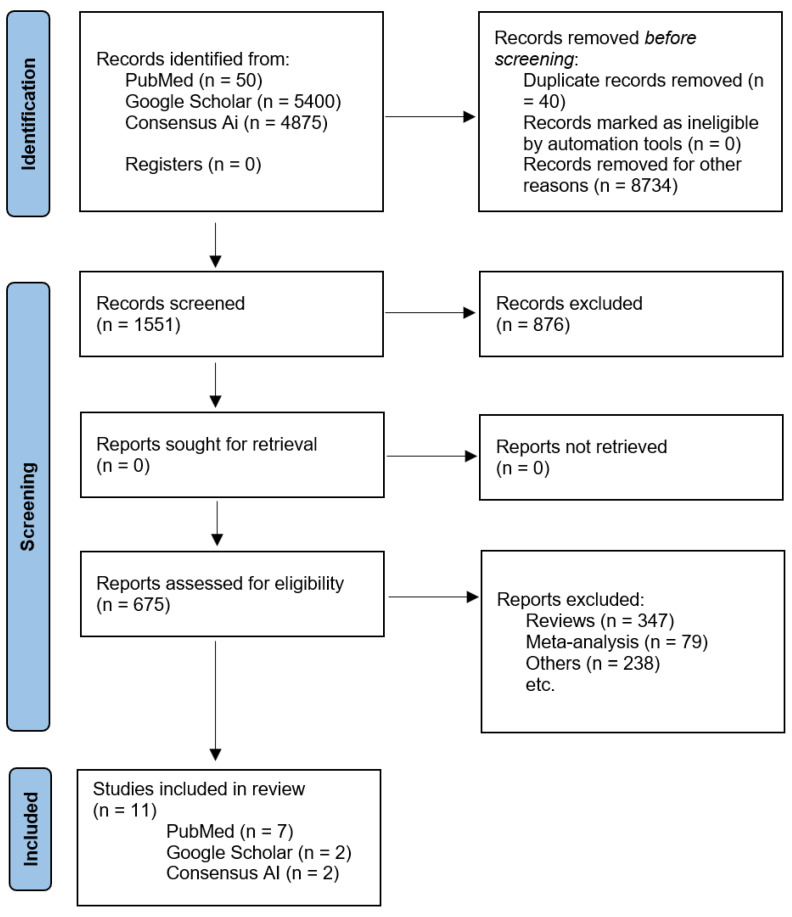
Background and Objectives: Substance use disorders (SUDs) affect millions worldwide. Despite increasing drug use, treatment options remain limited. Psychedelic-assisted therapy (PAT), integrating psychedelic substances with psychotherapy, offers a promising alternative by addressing underlying neural mechanisms. Materials and Methods: This review's purpose is to investigate the current understanding of psychedelic therapy for treating SUDs, including tobacco, alcohol, and drug addiction. The systematic review approach focused on clinical trials and randomized controlled trials conducted from 2013 to 2023. The search was performed using PubMed, Google Scholar, and Consensus AI, following PRISMA guidelines. Studies involving psychedelics like LSD, psilocybin, ibogaine, and ayahuasca for treating various addictions were included, excluding naturalistic studies and reviews. Results: Our results highlight the key findings from 16 clinical trials investigating psychedelic therapy for SUDs. Psychedelics like psilocybin and ayahuasca showed promise in reducing alcohol and tobacco dependence, with psilocybin being particularly effective in decreasing cravings and promoting long-term abstinence. The studies revealed significant improvements in substance use reduction, especially when combined with psychotherapy. However, the variability in dosages and study design calls for more standardized approaches. These findings emphasize the potential of psychedelics in SUD treatment, though further large-scale research is needed to validate these results and develop consistent protocols. Conclusions: This research reviewed the past decade's international experience, emphasizing the growing potential of psychedelic therapy in treating SUDs pertaining to alcohol, tobacco, and cocaine dependence. Psychedelics such as psilocybin and ketamine can reduce cravings and promote psychological well-being, especially when combined with psychotherapy. However, regulatory barriers and specialized clinical training are necessary to integrate these therapies into mainstream addiction treatment safely. Psychedelics offer a promising alternative for those unresponsive to conventional methods.
期刊介绍:
The journal’s main focus is on reviews as well as clinical and experimental investigations. The journal aims to advance knowledge related to problems in medicine in developing countries as well as developed economies, to disseminate research on global health, and to promote and foster prevention and treatment of diseases worldwide. MEDICINA publications cater to clinicians, diagnosticians and researchers, and serve as a forum to discuss the current status of health-related matters and their impact on a global and local scale.




 京公网安备 11010802042870号
京ICP备2023020795号-1
京公网安备 11010802042870号
京ICP备2023020795号-1

 分享
分享
 求助内容:
求助内容: 应助结果提醒方式:
 扫码关注我们
