Gabriela Cornelia Musat, Mihai Alexandru Preda, Ionut Tanase, Adina Zamfir Chiru Anton, George G Mitroi, Ovidiu Musat, Alina Lavinia Antoaneta Oancea, Mihaela Roxana Mitroi
{"title":"下前庭神经炎:诊断标准、临床特征和预后——重点综述。","authors":"Gabriela Cornelia Musat, Mihai Alexandru Preda, Ionut Tanase, Adina Zamfir Chiru Anton, George G Mitroi, Ovidiu Musat, Alina Lavinia Antoaneta Oancea, Mihaela Roxana Mitroi","doi":"10.3390/medicina61020361","DOIUrl":null,"url":null,"abstract":"<p><p><i>Purpose</i>: This review aims to analyze the diagnostic methods used to evaluate inferior vestibular nerve neuritis. <i>Methods</i>: We performed an electronic search on the PubMed database for clinical studies investigating the diagnostic techniques used for inferior vestibular nerve neuritis. <i>Results</i>: We initially identified 114 records in our search. After applying the inclusion and exclusion criteria, we narrowed it down to 12 studies. These studies collectively examined a total of 642 patients diagnosed with vestibular nerve neuritis, 64 of whom had inferior vestibular neuritis. <i>Conclusions</i>: The inferior vestibular neuritis is an unfrequent form of vestibular neuritis, often misdiagnosed. The diagnosis of inferior vestibular neuritis (IVN) is based on clinical history and vestibular testing, specifically reduced posterior canal gain on video head impulse test (vHIT), absent cervical VEMP (cVEMP), normal caloric responses, and preserved ocular VEMP (oVEMP). This review highlights the gaps in current diagnostic strategies and emphasizes the need for integrating advanced vestibular testing methods to enhance diagnostic accuracy for inferior vestibular nerve neuritis. Future studies should address the standardization of diagnostic protocols to facilitate broader clinical application.</p>","PeriodicalId":49830,"journal":{"name":"Medicina-Lithuania","volume":"61 2","pages":""},"PeriodicalIF":2.4000,"publicationDate":"2025-02-19","publicationTypes":"Journal Article","fieldsOfStudy":null,"isOpenAccess":false,"openAccessPdf":"https://www.ncbi.nlm.nih.gov/pmc/articles/PMC11857415/pdf/","citationCount":"0","resultStr":"{\"title\":\"Inferior Vestibular Neuritis: Diagnostic Criteria, Clinical Features, and Prognosis-A Focused Review.\",\"authors\":\"Gabriela Cornelia Musat, Mihai Alexandru Preda, Ionut Tanase, Adina Zamfir Chiru Anton, George G Mitroi, Ovidiu Musat, Alina Lavinia Antoaneta Oancea, Mihaela Roxana Mitroi\",\"doi\":\"10.3390/medicina61020361\",\"DOIUrl\":null,\"url\":null,\"abstract\":\"<p><p><i>Purpose</i>: This review aims to analyze the diagnostic methods used to evaluate inferior vestibular nerve neuritis. <i>Methods</i>: We performed an electronic search on the PubMed database for clinical studies investigating the diagnostic techniques used for inferior vestibular nerve neuritis. <i>Results</i>: We initially identified 114 records in our search. After applying the inclusion and exclusion criteria, we narrowed it down to 12 studies. These studies collectively examined a total of 642 patients diagnosed with vestibular nerve neuritis, 64 of whom had inferior vestibular neuritis. <i>Conclusions</i>: The inferior vestibular neuritis is an unfrequent form of vestibular neuritis, often misdiagnosed. The diagnosis of inferior vestibular neuritis (IVN) is based on clinical history and vestibular testing, specifically reduced posterior canal gain on video head impulse test (vHIT), absent cervical VEMP (cVEMP), normal caloric responses, and preserved ocular VEMP (oVEMP). This review highlights the gaps in current diagnostic strategies and emphasizes the need for integrating advanced vestibular testing methods to enhance diagnostic accuracy for inferior vestibular nerve neuritis. Future studies should address the standardization of diagnostic protocols to facilitate broader clinical application.</p>\",\"PeriodicalId\":49830,\"journal\":{\"name\":\"Medicina-Lithuania\",\"volume\":\"61 2\",\"pages\":\"\"},\"PeriodicalIF\":2.4000,\"publicationDate\":\"2025-02-19\",\"publicationTypes\":\"Journal Article\",\"fieldsOfStudy\":null,\"isOpenAccess\":false,\"openAccessPdf\":\"https://www.ncbi.nlm.nih.gov/pmc/articles/PMC11857415/pdf/\",\"citationCount\":\"0\",\"resultStr\":null,\"platform\":\"Semanticscholar\",\"paperid\":null,\"PeriodicalName\":\"Medicina-Lithuania\",\"FirstCategoryId\":\"3\",\"ListUrlMain\":\"https://doi.org/10.3390/medicina61020361\",\"RegionNum\":4,\"RegionCategory\":\"医学\",\"ArticlePicture\":[],\"TitleCN\":null,\"AbstractTextCN\":null,\"PMCID\":null,\"EPubDate\":\"\",\"PubModel\":\"\",\"JCR\":\"Q1\",\"JCRName\":\"MEDICINE, GENERAL & INTERNAL\",\"Score\":null,\"Total\":0}","platform":"Semanticscholar","paperid":null,"PeriodicalName":"Medicina-Lithuania","FirstCategoryId":"3","ListUrlMain":"https://doi.org/10.3390/medicina61020361","RegionNum":4,"RegionCategory":"医学","ArticlePicture":[],"TitleCN":null,"AbstractTextCN":null,"PMCID":null,"EPubDate":"","PubModel":"","JCR":"Q1","JCRName":"MEDICINE, GENERAL & INTERNAL","Score":null,"Total":0}
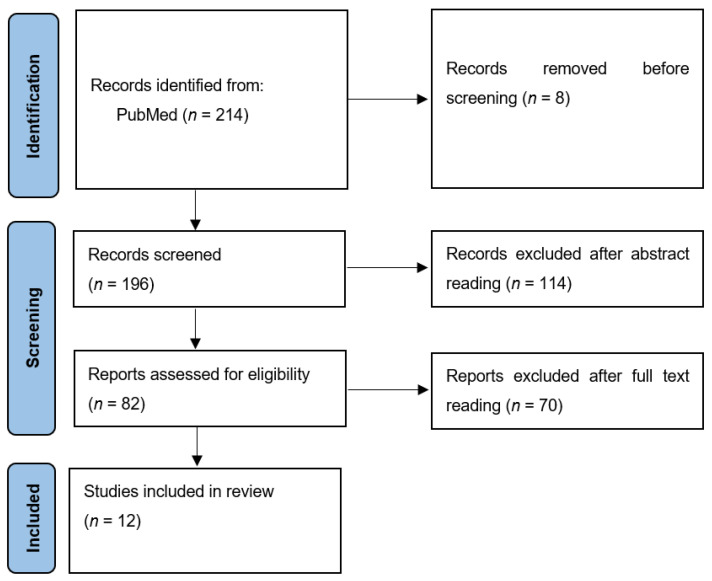
Purpose: This review aims to analyze the diagnostic methods used to evaluate inferior vestibular nerve neuritis. Methods: We performed an electronic search on the PubMed database for clinical studies investigating the diagnostic techniques used for inferior vestibular nerve neuritis. Results: We initially identified 114 records in our search. After applying the inclusion and exclusion criteria, we narrowed it down to 12 studies. These studies collectively examined a total of 642 patients diagnosed with vestibular nerve neuritis, 64 of whom had inferior vestibular neuritis. Conclusions: The inferior vestibular neuritis is an unfrequent form of vestibular neuritis, often misdiagnosed. The diagnosis of inferior vestibular neuritis (IVN) is based on clinical history and vestibular testing, specifically reduced posterior canal gain on video head impulse test (vHIT), absent cervical VEMP (cVEMP), normal caloric responses, and preserved ocular VEMP (oVEMP). This review highlights the gaps in current diagnostic strategies and emphasizes the need for integrating advanced vestibular testing methods to enhance diagnostic accuracy for inferior vestibular nerve neuritis. Future studies should address the standardization of diagnostic protocols to facilitate broader clinical application.
期刊介绍:
The journal’s main focus is on reviews as well as clinical and experimental investigations. The journal aims to advance knowledge related to problems in medicine in developing countries as well as developed economies, to disseminate research on global health, and to promote and foster prevention and treatment of diseases worldwide. MEDICINA publications cater to clinicians, diagnosticians and researchers, and serve as a forum to discuss the current status of health-related matters and their impact on a global and local scale.




 京公网安备 11010802042870号
京ICP备2023020795号-1
京公网安备 11010802042870号
京ICP备2023020795号-1

 分享
分享
 求助内容:
求助内容: 应助结果提醒方式:
 扫码关注我们
