Aida Puia, Sorina Rodica Pop, Bianca Olivia Cojan Manzat, Sebastian Pintea, Ion Cosmin Puia, Mihaela Fadgyas-Stanculete
{"title":"COVID-19大流行期间医护人员的应对策略:情绪反应、挑战和适应性实践","authors":"Aida Puia, Sorina Rodica Pop, Bianca Olivia Cojan Manzat, Sebastian Pintea, Ion Cosmin Puia, Mihaela Fadgyas-Stanculete","doi":"10.3390/medicina61020311","DOIUrl":null,"url":null,"abstract":"<p><p><i>Background and Objectives</i>: The COVID-19 pandemic has posed unprecedented challenges to healthcare workers, leading to significant psychological distress, altered health-related behaviors, and reliance on various coping mechanisms. Understanding these impacts is critical for developing targeted interventions to support healthcare professionals. This study aimed to evaluate the psychological stressors, emotional responses, changes in healthy behaviors, and coping mechanisms employed by healthcare workers during the COVID-19 pandemic. The study further examined differences across demographic and professional groups and explored correlations between stressors, coping strategies, and emotional outcomes. <i>Materials and Methods</i>: A cross-sectional survey was conducted among 338 healthcare workers, including physicians and nurses, in urban and rural healthcare settings during the pandemic. Data were collected using validated instruments to measure emotional responses (anxiety and anger), lifestyle behaviors (dietary habits, sleep patterns, physical activity, and smoking), and coping strategies. Statistical analyses included descriptive, inferential, and correlation techniques to assess relationships between variables. <i>Results</i>: Fear of infecting family members (M = 3.36, SD = 0.86) and concerns about inadequate protective equipment (M = 2.80, SD = 0.95) were the most significant stressors, strongly associated with heightened anxiety and anger. Changes in healthy behaviors were observed: 69.2% maintained a healthy meal schedule, 56.5% reported disrupted sleep patterns, and only 39.6% engaged in regular physical activity. Among smokers (27.5%), 31.1% increased smoking as a maladaptive coping strategy, while 21.1% reduced smoking. Nurses predominantly relied on emotion-focused strategies, such as religious coping and venting, whereas physicians favored problem-focused strategies like planning and active coping. Social support emerged as a protective factor, mitigating stress and facilitating adaptive coping. <i>Conclusions</i>: The study revealed significant psychological and behavioral impacts on healthcare workers during the COVID-19 pandemic. Key stressors included the fear of infecting family members, concerns about inadequate protective measures, and the prolonged uncertainty of the pandemic, which contributed to heightened levels of anxiety and anger. Changes in healthy behaviors, such as disrupted sleep patterns, decreased physical activity, and increased reliance on maladaptive coping mechanisms, further underscored the multifaceted challenges faced by healthcare professionals. Although the acute phase of the pandemic has passed, the long-term consequences on the mental health and well-being of healthcare workers remain critical concerns. Further research is essential to develop effective strategies for monitoring, preventing, and addressing psychological distress among healthcare professionals, ensuring their preparedness for future public health crises.</p>","PeriodicalId":49830,"journal":{"name":"Medicina-Lithuania","volume":"61 2","pages":""},"PeriodicalIF":2.4000,"publicationDate":"2025-02-11","publicationTypes":"Journal Article","fieldsOfStudy":null,"isOpenAccess":false,"openAccessPdf":"https://www.ncbi.nlm.nih.gov/pmc/articles/PMC11857654/pdf/","citationCount":"0","resultStr":"{\"title\":\"Coping Strategies Among Healthcare Workers During the COVID-19 Pandemic: Emotional Responses, Challenges, and Adaptive Practices.\",\"authors\":\"Aida Puia, Sorina Rodica Pop, Bianca Olivia Cojan Manzat, Sebastian Pintea, Ion Cosmin Puia, Mihaela Fadgyas-Stanculete\",\"doi\":\"10.3390/medicina61020311\",\"DOIUrl\":null,\"url\":null,\"abstract\":\"<p><p><i>Background and Objectives</i>: The COVID-19 pandemic has posed unprecedented challenges to healthcare workers, leading to significant psychological distress, altered health-related behaviors, and reliance on various coping mechanisms. Understanding these impacts is critical for developing targeted interventions to support healthcare professionals. This study aimed to evaluate the psychological stressors, emotional responses, changes in healthy behaviors, and coping mechanisms employed by healthcare workers during the COVID-19 pandemic. The study further examined differences across demographic and professional groups and explored correlations between stressors, coping strategies, and emotional outcomes. <i>Materials and Methods</i>: A cross-sectional survey was conducted among 338 healthcare workers, including physicians and nurses, in urban and rural healthcare settings during the pandemic. Data were collected using validated instruments to measure emotional responses (anxiety and anger), lifestyle behaviors (dietary habits, sleep patterns, physical activity, and smoking), and coping strategies. Statistical analyses included descriptive, inferential, and correlation techniques to assess relationships between variables. <i>Results</i>: Fear of infecting family members (M = 3.36, SD = 0.86) and concerns about inadequate protective equipment (M = 2.80, SD = 0.95) were the most significant stressors, strongly associated with heightened anxiety and anger. Changes in healthy behaviors were observed: 69.2% maintained a healthy meal schedule, 56.5% reported disrupted sleep patterns, and only 39.6% engaged in regular physical activity. Among smokers (27.5%), 31.1% increased smoking as a maladaptive coping strategy, while 21.1% reduced smoking. Nurses predominantly relied on emotion-focused strategies, such as religious coping and venting, whereas physicians favored problem-focused strategies like planning and active coping. Social support emerged as a protective factor, mitigating stress and facilitating adaptive coping. <i>Conclusions</i>: The study revealed significant psychological and behavioral impacts on healthcare workers during the COVID-19 pandemic. Key stressors included the fear of infecting family members, concerns about inadequate protective measures, and the prolonged uncertainty of the pandemic, which contributed to heightened levels of anxiety and anger. Changes in healthy behaviors, such as disrupted sleep patterns, decreased physical activity, and increased reliance on maladaptive coping mechanisms, further underscored the multifaceted challenges faced by healthcare professionals. Although the acute phase of the pandemic has passed, the long-term consequences on the mental health and well-being of healthcare workers remain critical concerns. Further research is essential to develop effective strategies for monitoring, preventing, and addressing psychological distress among healthcare professionals, ensuring their preparedness for future public health crises.</p>\",\"PeriodicalId\":49830,\"journal\":{\"name\":\"Medicina-Lithuania\",\"volume\":\"61 2\",\"pages\":\"\"},\"PeriodicalIF\":2.4000,\"publicationDate\":\"2025-02-11\",\"publicationTypes\":\"Journal Article\",\"fieldsOfStudy\":null,\"isOpenAccess\":false,\"openAccessPdf\":\"https://www.ncbi.nlm.nih.gov/pmc/articles/PMC11857654/pdf/\",\"citationCount\":\"0\",\"resultStr\":null,\"platform\":\"Semanticscholar\",\"paperid\":null,\"PeriodicalName\":\"Medicina-Lithuania\",\"FirstCategoryId\":\"3\",\"ListUrlMain\":\"https://doi.org/10.3390/medicina61020311\",\"RegionNum\":4,\"RegionCategory\":\"医学\",\"ArticlePicture\":[],\"TitleCN\":null,\"AbstractTextCN\":null,\"PMCID\":null,\"EPubDate\":\"\",\"PubModel\":\"\",\"JCR\":\"Q1\",\"JCRName\":\"MEDICINE, GENERAL & INTERNAL\",\"Score\":null,\"Total\":0}","platform":"Semanticscholar","paperid":null,"PeriodicalName":"Medicina-Lithuania","FirstCategoryId":"3","ListUrlMain":"https://doi.org/10.3390/medicina61020311","RegionNum":4,"RegionCategory":"医学","ArticlePicture":[],"TitleCN":null,"AbstractTextCN":null,"PMCID":null,"EPubDate":"","PubModel":"","JCR":"Q1","JCRName":"MEDICINE, GENERAL & INTERNAL","Score":null,"Total":0}
Coping Strategies Among Healthcare Workers During the COVID-19 Pandemic: Emotional Responses, Challenges, and Adaptive Practices.
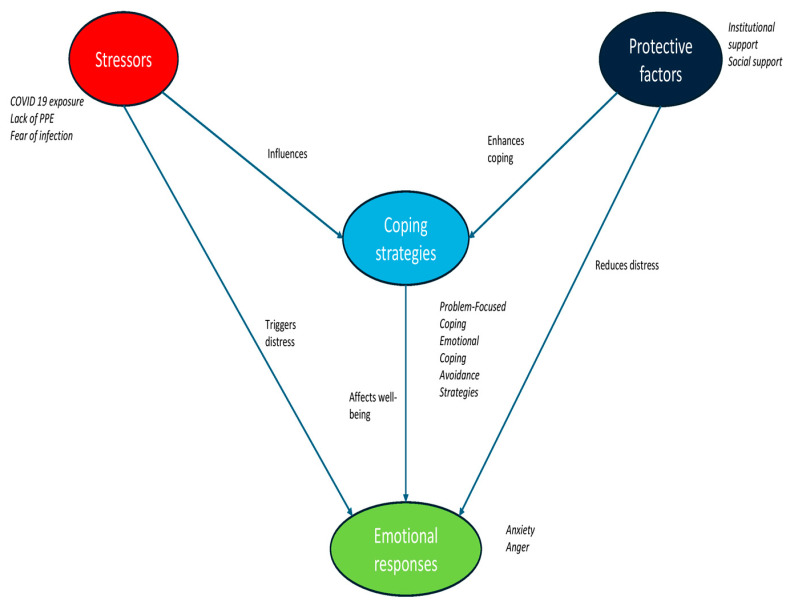
Background and Objectives: The COVID-19 pandemic has posed unprecedented challenges to healthcare workers, leading to significant psychological distress, altered health-related behaviors, and reliance on various coping mechanisms. Understanding these impacts is critical for developing targeted interventions to support healthcare professionals. This study aimed to evaluate the psychological stressors, emotional responses, changes in healthy behaviors, and coping mechanisms employed by healthcare workers during the COVID-19 pandemic. The study further examined differences across demographic and professional groups and explored correlations between stressors, coping strategies, and emotional outcomes. Materials and Methods: A cross-sectional survey was conducted among 338 healthcare workers, including physicians and nurses, in urban and rural healthcare settings during the pandemic. Data were collected using validated instruments to measure emotional responses (anxiety and anger), lifestyle behaviors (dietary habits, sleep patterns, physical activity, and smoking), and coping strategies. Statistical analyses included descriptive, inferential, and correlation techniques to assess relationships between variables. Results: Fear of infecting family members (M = 3.36, SD = 0.86) and concerns about inadequate protective equipment (M = 2.80, SD = 0.95) were the most significant stressors, strongly associated with heightened anxiety and anger. Changes in healthy behaviors were observed: 69.2% maintained a healthy meal schedule, 56.5% reported disrupted sleep patterns, and only 39.6% engaged in regular physical activity. Among smokers (27.5%), 31.1% increased smoking as a maladaptive coping strategy, while 21.1% reduced smoking. Nurses predominantly relied on emotion-focused strategies, such as religious coping and venting, whereas physicians favored problem-focused strategies like planning and active coping. Social support emerged as a protective factor, mitigating stress and facilitating adaptive coping. Conclusions: The study revealed significant psychological and behavioral impacts on healthcare workers during the COVID-19 pandemic. Key stressors included the fear of infecting family members, concerns about inadequate protective measures, and the prolonged uncertainty of the pandemic, which contributed to heightened levels of anxiety and anger. Changes in healthy behaviors, such as disrupted sleep patterns, decreased physical activity, and increased reliance on maladaptive coping mechanisms, further underscored the multifaceted challenges faced by healthcare professionals. Although the acute phase of the pandemic has passed, the long-term consequences on the mental health and well-being of healthcare workers remain critical concerns. Further research is essential to develop effective strategies for monitoring, preventing, and addressing psychological distress among healthcare professionals, ensuring their preparedness for future public health crises.
期刊介绍:
The journal’s main focus is on reviews as well as clinical and experimental investigations. The journal aims to advance knowledge related to problems in medicine in developing countries as well as developed economies, to disseminate research on global health, and to promote and foster prevention and treatment of diseases worldwide. MEDICINA publications cater to clinicians, diagnosticians and researchers, and serve as a forum to discuss the current status of health-related matters and their impact on a global and local scale.




 京公网安备 11010802042870号
京ICP备2023020795号-1
京公网安备 11010802042870号
京ICP备2023020795号-1

 分享
分享
 求助内容:
求助内容: 应助结果提醒方式:
 扫码关注我们
