Aleksander Frąckowiak, Stefan Sajdak, Grażyna Jarząbek-Bielecka, Klaudia Dolińska-Kaczmarek, Katarzyna Plagens-Rotman, Piotr Merks, Tomasz Kościński, Monika Englert-Golon
{"title":"作为妇科和性学问题的异物——个案研究和文献综述。","authors":"Aleksander Frąckowiak, Stefan Sajdak, Grażyna Jarząbek-Bielecka, Klaudia Dolińska-Kaczmarek, Katarzyna Plagens-Rotman, Piotr Merks, Tomasz Kościński, Monika Englert-Golon","doi":"10.3390/medicina61020290","DOIUrl":null,"url":null,"abstract":"<p><p><i>Introduction</i>: The most commonly encountered foreign body in the vagina is a tampon, which is routinely removed during gynaecological examinations. While these cases are common and well-known in medical practice, there are also situations involving much more unusual foreign bodies. This article focuses on these rare and often surprising cases, which can pose diagnostic and therapeutic challenges. Highlighting this topic aims to draw attention to the variety of situations gynaecologists may encounter in their daily professional practice. <i>Case Study</i>: A 62-year-old woman was admitted to the Gynaecological Obstetric Clinical Hospital of the Poznan University of Sciences to have a foreign body removed from her vagina. An MRI examination revealed a calcified well-defined structure (94 mm × 68 mm × 96 mm). The material removed during surgery were calcified fragments surrounding a plastic deodorant cap. After decalcification of the lesion, a histopathological examination ruled out cancerous cells. The patient received gynaecological and urological treatments due to a vesicovaginal fistula. <i>Conclusions</i>: The gynaecologists' expertise and skills in diagnosing and removing foreign bodies are essential in order to provide postmenopausal women with comprehensive and responsible medical care.</p>","PeriodicalId":49830,"journal":{"name":"Medicina-Lithuania","volume":"61 2","pages":""},"PeriodicalIF":2.9000,"publicationDate":"2025-02-07","publicationTypes":"Journal Article","fieldsOfStudy":null,"isOpenAccess":false,"openAccessPdf":"https://www.ncbi.nlm.nih.gov/pmc/articles/PMC11857605/pdf/","citationCount":"0","resultStr":"{\"title\":\"A Foreign Body as a Gynaecological and Sexological Issue-Case Study and Literature Review.\",\"authors\":\"Aleksander Frąckowiak, Stefan Sajdak, Grażyna Jarząbek-Bielecka, Klaudia Dolińska-Kaczmarek, Katarzyna Plagens-Rotman, Piotr Merks, Tomasz Kościński, Monika Englert-Golon\",\"doi\":\"10.3390/medicina61020290\",\"DOIUrl\":null,\"url\":null,\"abstract\":\"<p><p><i>Introduction</i>: The most commonly encountered foreign body in the vagina is a tampon, which is routinely removed during gynaecological examinations. While these cases are common and well-known in medical practice, there are also situations involving much more unusual foreign bodies. This article focuses on these rare and often surprising cases, which can pose diagnostic and therapeutic challenges. Highlighting this topic aims to draw attention to the variety of situations gynaecologists may encounter in their daily professional practice. <i>Case Study</i>: A 62-year-old woman was admitted to the Gynaecological Obstetric Clinical Hospital of the Poznan University of Sciences to have a foreign body removed from her vagina. An MRI examination revealed a calcified well-defined structure (94 mm × 68 mm × 96 mm). The material removed during surgery were calcified fragments surrounding a plastic deodorant cap. After decalcification of the lesion, a histopathological examination ruled out cancerous cells. The patient received gynaecological and urological treatments due to a vesicovaginal fistula. <i>Conclusions</i>: The gynaecologists' expertise and skills in diagnosing and removing foreign bodies are essential in order to provide postmenopausal women with comprehensive and responsible medical care.</p>\",\"PeriodicalId\":49830,\"journal\":{\"name\":\"Medicina-Lithuania\",\"volume\":\"61 2\",\"pages\":\"\"},\"PeriodicalIF\":2.9000,\"publicationDate\":\"2025-02-07\",\"publicationTypes\":\"Journal Article\",\"fieldsOfStudy\":null,\"isOpenAccess\":false,\"openAccessPdf\":\"https://www.ncbi.nlm.nih.gov/pmc/articles/PMC11857605/pdf/\",\"citationCount\":\"0\",\"resultStr\":null,\"platform\":\"Semanticscholar\",\"paperid\":null,\"PeriodicalName\":\"Medicina-Lithuania\",\"FirstCategoryId\":\"3\",\"ListUrlMain\":\"https://doi.org/10.3390/medicina61020290\",\"RegionNum\":4,\"RegionCategory\":\"医学\",\"ArticlePicture\":[],\"TitleCN\":null,\"AbstractTextCN\":null,\"PMCID\":null,\"EPubDate\":\"\",\"PubModel\":\"\",\"JCR\":\"Q1\",\"JCRName\":\"MEDICINE, GENERAL & INTERNAL\",\"Score\":null,\"Total\":0}","platform":"Semanticscholar","paperid":null,"PeriodicalName":"Medicina-Lithuania","FirstCategoryId":"3","ListUrlMain":"https://doi.org/10.3390/medicina61020290","RegionNum":4,"RegionCategory":"医学","ArticlePicture":[],"TitleCN":null,"AbstractTextCN":null,"PMCID":null,"EPubDate":"","PubModel":"","JCR":"Q1","JCRName":"MEDICINE, GENERAL & INTERNAL","Score":null,"Total":0}
引用次数: 0
摘要
简介:阴道内最常见的异物是卫生棉条,在妇科检查时通常会将其取出。虽然这些病例在医疗实践中是常见和众所周知的,但也有涉及更不寻常的异物的情况。这篇文章的重点是这些罕见的和经常令人惊讶的病例,这可能构成诊断和治疗的挑战。强调这一主题的目的是提请注意各种情况妇科医生可能会遇到在他们的日常专业实践。案例研究:一名62岁妇女在波兹南科学大学妇产科临床医院接受了从阴道取出异物的手术。MRI检查显示钙化,结构清晰(94 mm × 68 mm × 96 mm)。手术中移除的材料是塑料除臭剂帽周围的钙化碎片。病变脱钙化后,组织病理学检查排除了癌细胞。患者因膀胱阴道瘘接受妇科和泌尿外科治疗。结论:妇科医生在诊断和清除异物方面的专业知识和技能对于向绝经后妇女提供全面和负责任的医疗护理至关重要。
A Foreign Body as a Gynaecological and Sexological Issue-Case Study and Literature Review.
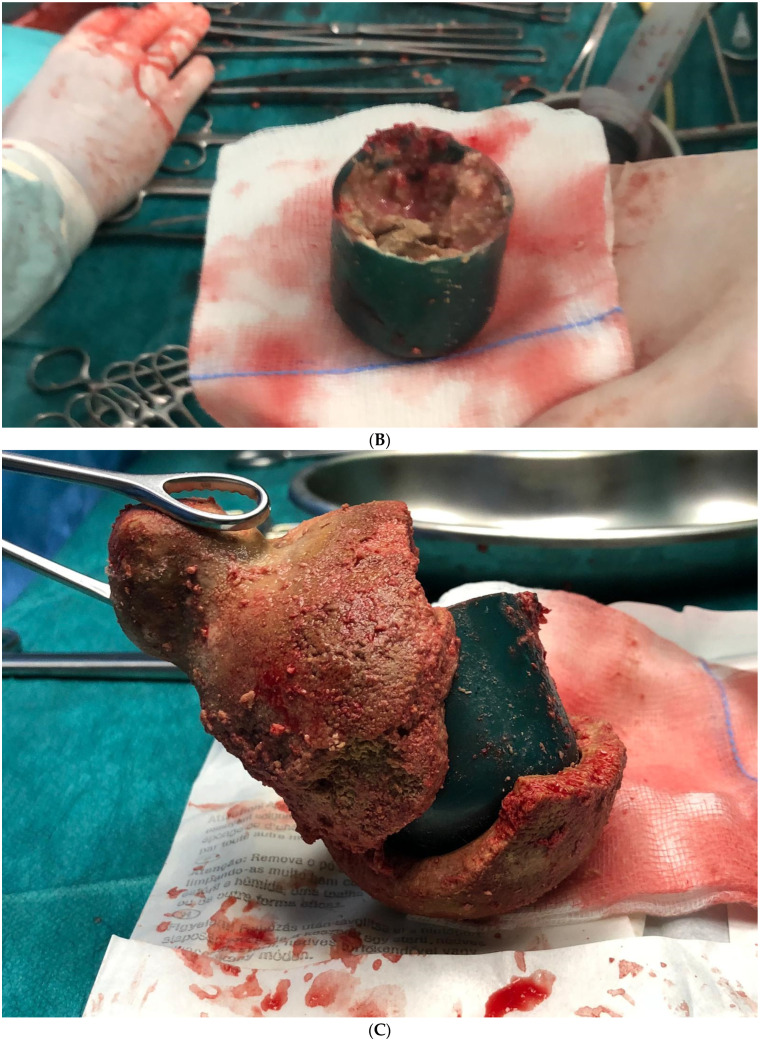
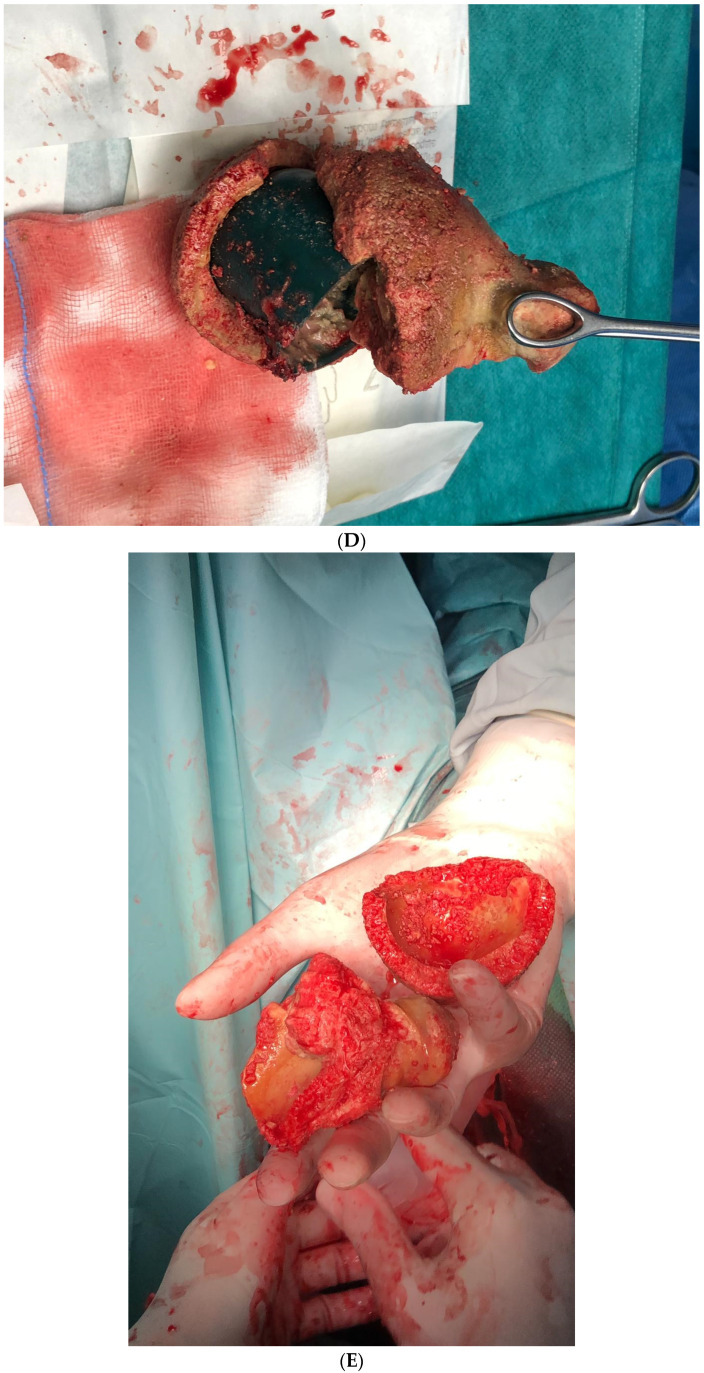
Introduction: The most commonly encountered foreign body in the vagina is a tampon, which is routinely removed during gynaecological examinations. While these cases are common and well-known in medical practice, there are also situations involving much more unusual foreign bodies. This article focuses on these rare and often surprising cases, which can pose diagnostic and therapeutic challenges. Highlighting this topic aims to draw attention to the variety of situations gynaecologists may encounter in their daily professional practice. Case Study: A 62-year-old woman was admitted to the Gynaecological Obstetric Clinical Hospital of the Poznan University of Sciences to have a foreign body removed from her vagina. An MRI examination revealed a calcified well-defined structure (94 mm × 68 mm × 96 mm). The material removed during surgery were calcified fragments surrounding a plastic deodorant cap. After decalcification of the lesion, a histopathological examination ruled out cancerous cells. The patient received gynaecological and urological treatments due to a vesicovaginal fistula. Conclusions: The gynaecologists' expertise and skills in diagnosing and removing foreign bodies are essential in order to provide postmenopausal women with comprehensive and responsible medical care.
期刊介绍:
The journal’s main focus is on reviews as well as clinical and experimental investigations. The journal aims to advance knowledge related to problems in medicine in developing countries as well as developed economies, to disseminate research on global health, and to promote and foster prevention and treatment of diseases worldwide. MEDICINA publications cater to clinicians, diagnosticians and researchers, and serve as a forum to discuss the current status of health-related matters and their impact on a global and local scale.





 京公网安备 11010802042870号
京ICP备2023020795号-1
京公网安备 11010802042870号
京ICP备2023020795号-1

 分享
分享
 求助内容:
求助内容: 应助结果提醒方式:
 扫码关注我们
