Ifrah Usman , Saima Sana , Muhammad Afzaal , Ali Imran , Hafiza Madiha Jaffar , Sadia Sukhera , Muniba Munir , Aasma Asghar , Markos Makiso Urugo
{"title":"植物食物垃圾中的植物化学物质:创新的见解和启示","authors":"Ifrah Usman , Saima Sana , Muhammad Afzaal , Ali Imran , Hafiza Madiha Jaffar , Sadia Sukhera , Muniba Munir , Aasma Asghar , Markos Makiso Urugo","doi":"10.1016/j.jafr.2025.101779","DOIUrl":null,"url":null,"abstract":"<div><div>The processing and distribution of plant-based foods generate substantial waste, including seeds, husks, stalks, roots, and oilseed meals, which are often discarded or repurposed as animal feed. These by-products, however, are rich in bioactive phytochemicals with immense health-promoting and functional potential. Despite this, their industrial application in food products faces significant challenges, such as poor solubility, chemical instability, and limited bioavailability, which hinder their full utilization. Addressing these challenges is crucial for unlocking the full potential of phytochemicals, which possess bio-functional properties like anticancer, anti-inflammatory, and antimicrobial effects, as well as the ability to enrich food products with natural colors, flavors, and antioxidants. This review highlights the innovative applications of nanotechnology and green extraction methods as transformative solutions for improving the extraction and delivery of these phytochemicals. Nanotechnology-based delivery systems, such as nano-liposomes, nano-emulsions, and nano-biopolymers, offer promising approaches to overcome stability, solubility, and bioavailability issues, enabling the incorporation of phytochemicals into food systems while optimizing sensory attributes and enhancing functional efficacy. Furthermore, green extraction methods, which are in alignment with circular economy principles, promote sustainability by reducing food waste and creating high-value nutraceutical and pharmaceutical products. Looking forward, future research should focus on refining nanoparticle encapsulation techniques, exploring synergistic interactions between bioactive compounds, and scaling up these innovations for industrial applications. Additionally, the increasing demand for natural, plant-based ingredients presents an opportunity for the development of sustainable, phytochemical-enriched functional foods and dietary supplements. By addressing current challenges and fostering multidisciplinary collaboration, the valorization of plant food waste has the potential to revolutionize the food and healthcare industries, contributing to global health and sustainability goals.</div></div>","PeriodicalId":34393,"journal":{"name":"Journal of Agriculture and Food Research","volume":"20 ","pages":"Article 101779"},"PeriodicalIF":7.2000,"publicationDate":"2025-04-01","publicationTypes":"Journal Article","fieldsOfStudy":null,"isOpenAccess":false,"openAccessPdf":"","citationCount":"0","resultStr":"{\"title\":\"Phytochemicals in plant food waste: Innovative insight and implications\",\"authors\":\"Ifrah Usman , Saima Sana , Muhammad Afzaal , Ali Imran , Hafiza Madiha Jaffar , Sadia Sukhera , Muniba Munir , Aasma Asghar , Markos Makiso Urugo\",\"doi\":\"10.1016/j.jafr.2025.101779\",\"DOIUrl\":null,\"url\":null,\"abstract\":\"<div><div>The processing and distribution of plant-based foods generate substantial waste, including seeds, husks, stalks, roots, and oilseed meals, which are often discarded or repurposed as animal feed. These by-products, however, are rich in bioactive phytochemicals with immense health-promoting and functional potential. Despite this, their industrial application in food products faces significant challenges, such as poor solubility, chemical instability, and limited bioavailability, which hinder their full utilization. Addressing these challenges is crucial for unlocking the full potential of phytochemicals, which possess bio-functional properties like anticancer, anti-inflammatory, and antimicrobial effects, as well as the ability to enrich food products with natural colors, flavors, and antioxidants. This review highlights the innovative applications of nanotechnology and green extraction methods as transformative solutions for improving the extraction and delivery of these phytochemicals. Nanotechnology-based delivery systems, such as nano-liposomes, nano-emulsions, and nano-biopolymers, offer promising approaches to overcome stability, solubility, and bioavailability issues, enabling the incorporation of phytochemicals into food systems while optimizing sensory attributes and enhancing functional efficacy. Furthermore, green extraction methods, which are in alignment with circular economy principles, promote sustainability by reducing food waste and creating high-value nutraceutical and pharmaceutical products. Looking forward, future research should focus on refining nanoparticle encapsulation techniques, exploring synergistic interactions between bioactive compounds, and scaling up these innovations for industrial applications. Additionally, the increasing demand for natural, plant-based ingredients presents an opportunity for the development of sustainable, phytochemical-enriched functional foods and dietary supplements. By addressing current challenges and fostering multidisciplinary collaboration, the valorization of plant food waste has the potential to revolutionize the food and healthcare industries, contributing to global health and sustainability goals.</div></div>\",\"PeriodicalId\":34393,\"journal\":{\"name\":\"Journal of Agriculture and Food Research\",\"volume\":\"20 \",\"pages\":\"Article 101779\"},\"PeriodicalIF\":7.2000,\"publicationDate\":\"2025-04-01\",\"publicationTypes\":\"Journal Article\",\"fieldsOfStudy\":null,\"isOpenAccess\":false,\"openAccessPdf\":\"\",\"citationCount\":\"0\",\"resultStr\":null,\"platform\":\"Semanticscholar\",\"paperid\":null,\"PeriodicalName\":\"Journal of Agriculture and Food Research\",\"FirstCategoryId\":\"1085\",\"ListUrlMain\":\"https://www.sciencedirect.com/science/article/pii/S2666154325001504\",\"RegionNum\":0,\"RegionCategory\":null,\"ArticlePicture\":[],\"TitleCN\":null,\"AbstractTextCN\":null,\"PMCID\":null,\"EPubDate\":\"2025/2/24 0:00:00\",\"PubModel\":\"Epub\",\"JCR\":\"Q1\",\"JCRName\":\"AGRICULTURE, MULTIDISCIPLINARY\",\"Score\":null,\"Total\":0}","platform":"Semanticscholar","paperid":null,"PeriodicalName":"Journal of Agriculture and Food Research","FirstCategoryId":"1085","ListUrlMain":"https://www.sciencedirect.com/science/article/pii/S2666154325001504","RegionNum":0,"RegionCategory":null,"ArticlePicture":[],"TitleCN":null,"AbstractTextCN":null,"PMCID":null,"EPubDate":"2025/2/24 0:00:00","PubModel":"Epub","JCR":"Q1","JCRName":"AGRICULTURE, MULTIDISCIPLINARY","Score":null,"Total":0}
Phytochemicals in plant food waste: Innovative insight and implications
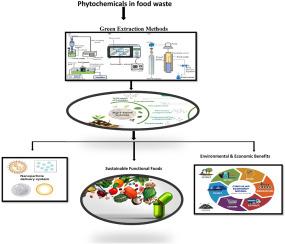
The processing and distribution of plant-based foods generate substantial waste, including seeds, husks, stalks, roots, and oilseed meals, which are often discarded or repurposed as animal feed. These by-products, however, are rich in bioactive phytochemicals with immense health-promoting and functional potential. Despite this, their industrial application in food products faces significant challenges, such as poor solubility, chemical instability, and limited bioavailability, which hinder their full utilization. Addressing these challenges is crucial for unlocking the full potential of phytochemicals, which possess bio-functional properties like anticancer, anti-inflammatory, and antimicrobial effects, as well as the ability to enrich food products with natural colors, flavors, and antioxidants. This review highlights the innovative applications of nanotechnology and green extraction methods as transformative solutions for improving the extraction and delivery of these phytochemicals. Nanotechnology-based delivery systems, such as nano-liposomes, nano-emulsions, and nano-biopolymers, offer promising approaches to overcome stability, solubility, and bioavailability issues, enabling the incorporation of phytochemicals into food systems while optimizing sensory attributes and enhancing functional efficacy. Furthermore, green extraction methods, which are in alignment with circular economy principles, promote sustainability by reducing food waste and creating high-value nutraceutical and pharmaceutical products. Looking forward, future research should focus on refining nanoparticle encapsulation techniques, exploring synergistic interactions between bioactive compounds, and scaling up these innovations for industrial applications. Additionally, the increasing demand for natural, plant-based ingredients presents an opportunity for the development of sustainable, phytochemical-enriched functional foods and dietary supplements. By addressing current challenges and fostering multidisciplinary collaboration, the valorization of plant food waste has the potential to revolutionize the food and healthcare industries, contributing to global health and sustainability goals.





 京公网安备 11010802042870号
京ICP备2023020795号-1
京公网安备 11010802042870号
京ICP备2023020795号-1

 分享
分享
 求助内容:
求助内容: 应助结果提醒方式:
 扫码关注我们
