Leonardo Fernández Irigaray, Rodrigo Torres, Virginia Zanutigh, Carla Lanca, Andrzej Grzybowski, Rafael Iribarren
{"title":"近视儿童的生活方式和睡眠相关行为。","authors":"Leonardo Fernández Irigaray, Rodrigo Torres, Virginia Zanutigh, Carla Lanca, Andrzej Grzybowski, Rafael Iribarren","doi":"10.1186/s12886-025-03923-1","DOIUrl":null,"url":null,"abstract":"<p><strong>Background: </strong>Myopia is a prevalent disease influenced by both genetic and environmental factors. This study aims to explore myopia risk factors, including the association between night-time reading habits under low illumination in children.</p><p><strong>Methods: </strong>A cross-sectional survey was conducted in Argentina as part of the \"Myopia Awareness Campaign\" in June 2024. A total of 1,298 children aged 7-15 years were included. Data on self-reported myopia, reading habits, illumination levels, type of housing, outdoor time, and parental high myopia were collected through a 23-question Google Forms survey disseminated by ophthalmologists. Multiple logistic regression was used to assess the association between these factors and self-reported myopia.</p><p><strong>Results: </strong>The prevalence of self-reported myopia in children was 23.7%. Significant risk factors for myopia included older age (odds ratio, OR: 1.15; 95% Confidence Intervals, CI:1.08-1.23), high-intensity reading (OR: 1.69; 95% CI:1.12-2.55), parental high myopia (OR: 2.88; 95% CI:2.07-4.00), less outdoor time (OR: 0.98; 95% CI: 0.97-0.999), and living in a house without a garden (OR:1.49; 95% CI:1.12-2.00). While initial unadjusted analysis suggested that reading at night in the dark was associated with myopia, the association lost significance after adjusting for age.</p><p><strong>Conclusions: </strong>This study highlights the importance of environmental factors and lifestyle choices in myopia development. Although reading at night in the dark appeared as a potential risk factor, further research is needed to clarify its role in myopia development and progression. The existence of accessible outdoor areas may increase the time children spent outdoors helping to mitigate myopia incidence.</p>","PeriodicalId":9058,"journal":{"name":"BMC Ophthalmology","volume":"25 1","pages":"97"},"PeriodicalIF":1.7000,"publicationDate":"2025-02-26","publicationTypes":"Journal Article","fieldsOfStudy":null,"isOpenAccess":false,"openAccessPdf":"https://www.ncbi.nlm.nih.gov/pmc/articles/PMC11863837/pdf/","citationCount":"0","resultStr":"{\"title\":\"Lifestyle and sleep-related behaviours in children with myopia.\",\"authors\":\"Leonardo Fernández Irigaray, Rodrigo Torres, Virginia Zanutigh, Carla Lanca, Andrzej Grzybowski, Rafael Iribarren\",\"doi\":\"10.1186/s12886-025-03923-1\",\"DOIUrl\":null,\"url\":null,\"abstract\":\"<p><strong>Background: </strong>Myopia is a prevalent disease influenced by both genetic and environmental factors. This study aims to explore myopia risk factors, including the association between night-time reading habits under low illumination in children.</p><p><strong>Methods: </strong>A cross-sectional survey was conducted in Argentina as part of the \\\"Myopia Awareness Campaign\\\" in June 2024. A total of 1,298 children aged 7-15 years were included. Data on self-reported myopia, reading habits, illumination levels, type of housing, outdoor time, and parental high myopia were collected through a 23-question Google Forms survey disseminated by ophthalmologists. Multiple logistic regression was used to assess the association between these factors and self-reported myopia.</p><p><strong>Results: </strong>The prevalence of self-reported myopia in children was 23.7%. Significant risk factors for myopia included older age (odds ratio, OR: 1.15; 95% Confidence Intervals, CI:1.08-1.23), high-intensity reading (OR: 1.69; 95% CI:1.12-2.55), parental high myopia (OR: 2.88; 95% CI:2.07-4.00), less outdoor time (OR: 0.98; 95% CI: 0.97-0.999), and living in a house without a garden (OR:1.49; 95% CI:1.12-2.00). While initial unadjusted analysis suggested that reading at night in the dark was associated with myopia, the association lost significance after adjusting for age.</p><p><strong>Conclusions: </strong>This study highlights the importance of environmental factors and lifestyle choices in myopia development. Although reading at night in the dark appeared as a potential risk factor, further research is needed to clarify its role in myopia development and progression. The existence of accessible outdoor areas may increase the time children spent outdoors helping to mitigate myopia incidence.</p>\",\"PeriodicalId\":9058,\"journal\":{\"name\":\"BMC Ophthalmology\",\"volume\":\"25 1\",\"pages\":\"97\"},\"PeriodicalIF\":1.7000,\"publicationDate\":\"2025-02-26\",\"publicationTypes\":\"Journal Article\",\"fieldsOfStudy\":null,\"isOpenAccess\":false,\"openAccessPdf\":\"https://www.ncbi.nlm.nih.gov/pmc/articles/PMC11863837/pdf/\",\"citationCount\":\"0\",\"resultStr\":null,\"platform\":\"Semanticscholar\",\"paperid\":null,\"PeriodicalName\":\"BMC Ophthalmology\",\"FirstCategoryId\":\"3\",\"ListUrlMain\":\"https://doi.org/10.1186/s12886-025-03923-1\",\"RegionNum\":4,\"RegionCategory\":\"医学\",\"ArticlePicture\":[],\"TitleCN\":null,\"AbstractTextCN\":null,\"PMCID\":null,\"EPubDate\":\"\",\"PubModel\":\"\",\"JCR\":\"Q3\",\"JCRName\":\"OPHTHALMOLOGY\",\"Score\":null,\"Total\":0}","platform":"Semanticscholar","paperid":null,"PeriodicalName":"BMC Ophthalmology","FirstCategoryId":"3","ListUrlMain":"https://doi.org/10.1186/s12886-025-03923-1","RegionNum":4,"RegionCategory":"医学","ArticlePicture":[],"TitleCN":null,"AbstractTextCN":null,"PMCID":null,"EPubDate":"","PubModel":"","JCR":"Q3","JCRName":"OPHTHALMOLOGY","Score":null,"Total":0}
Lifestyle and sleep-related behaviours in children with myopia.
Background: Myopia is a prevalent disease influenced by both genetic and environmental factors. This study aims to explore myopia risk factors, including the association between night-time reading habits under low illumination in children.
Methods: A cross-sectional survey was conducted in Argentina as part of the "Myopia Awareness Campaign" in June 2024. A total of 1,298 children aged 7-15 years were included. Data on self-reported myopia, reading habits, illumination levels, type of housing, outdoor time, and parental high myopia were collected through a 23-question Google Forms survey disseminated by ophthalmologists. Multiple logistic regression was used to assess the association between these factors and self-reported myopia.
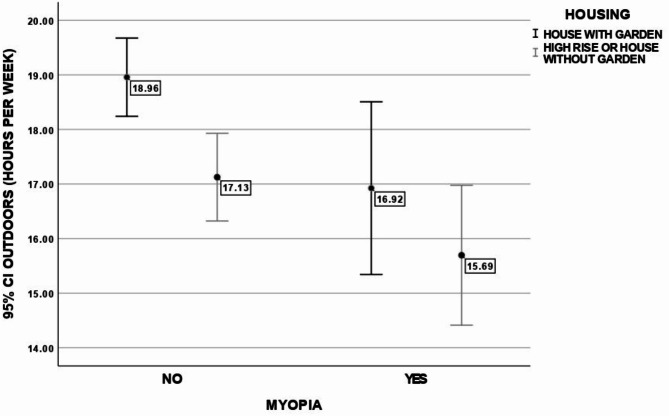
Results: The prevalence of self-reported myopia in children was 23.7%. Significant risk factors for myopia included older age (odds ratio, OR: 1.15; 95% Confidence Intervals, CI:1.08-1.23), high-intensity reading (OR: 1.69; 95% CI:1.12-2.55), parental high myopia (OR: 2.88; 95% CI:2.07-4.00), less outdoor time (OR: 0.98; 95% CI: 0.97-0.999), and living in a house without a garden (OR:1.49; 95% CI:1.12-2.00). While initial unadjusted analysis suggested that reading at night in the dark was associated with myopia, the association lost significance after adjusting for age.
Conclusions: This study highlights the importance of environmental factors and lifestyle choices in myopia development. Although reading at night in the dark appeared as a potential risk factor, further research is needed to clarify its role in myopia development and progression. The existence of accessible outdoor areas may increase the time children spent outdoors helping to mitigate myopia incidence.
期刊介绍:
BMC Ophthalmology is an open access, peer-reviewed journal that considers articles on all aspects of the prevention, diagnosis and management of eye disorders, as well as related molecular genetics, pathophysiology, and epidemiology.






 京公网安备 11010802042870号
京ICP备2023020795号-1
京公网安备 11010802042870号
京ICP备2023020795号-1

 分享
分享
 求助内容:
求助内容: 应助结果提醒方式:
 扫码关注我们
