Qin Xiang Ng, Clyve Yu Leon Yaow, Hiang Khoon Tan, Marcus Eng Hock Ong, Heta Kosonen, Jonas Karlström
{"title":"系统审查在低收入和中等收入国家实施非气动防震服的障碍和促进因素:对全球卫生的教训。","authors":"Qin Xiang Ng, Clyve Yu Leon Yaow, Hiang Khoon Tan, Marcus Eng Hock Ong, Heta Kosonen, Jonas Karlström","doi":"10.1136/bmjgh-2024-017681","DOIUrl":null,"url":null,"abstract":"<p><strong>Background: </strong>Obstetric haemorrhage is a leading global cause of maternal mortality, particularly in rural and resource-poor settings where delays in care are common. Non-pneumatic antishock garments (NASGs) have been proposed as a temporising measure to reduce blood loss and improve survival rates. Despite positive outcomes from clinical trials, the uptake of the NASG has been slow and faced various implementation challenges. This review thus aims to identify and analyse the barriers and facilitators of NASG implementation in low- and middle-income countries (LMICs) using the Consolidated Framework for Implementation Research (CFIR).</p><p><strong>Methods: </strong>Following the Preferred Reporting Items for Systematic Reviews and Meta-Analyses guidelines, a comprehensive search strategy was developed to search for studies related to NASG use in Medline, Embase, CINAHL and the Cochrane Library from inception up to August 2024. Grey literature was also reviewed. Two independent reviewers screened identified records using Covidence, assessing relevant studies for inclusion. Data were synthesised using a narrative approach structured around the CFIR's five domains.</p><p><strong>Results: </strong>A total of 17 studies were reviewed. Common barriers included high initial procurement costs. Inadequate training and knowledge among healthcare providers were another obstacle, resulting in low confidence in the proper use of NASG. Logistical issues, such as inconsistent supply chains and difficulties in maintaining NASG devices, were highlighted, alongside the challenges posed by under-resourced health infrastructures. Facilitators included effective training programmes, support from health authorities, advocacy by local and national champions, and successful integration into clinical protocols and health systems.</p><p><strong>Conclusions: </strong>The implementation experience of NASG in LMICs highlights important lessons for stakeholders in the global health space, with challenges such as high initial costs and inadequate training being common obstacles in LMICs. Addressing these barriers and leveraging facilitators (eg, through comprehensive training, garnering local and international support and active sourcing for locally produced materials to reduce costs) across multilevel contexts influence implementation.</p>","PeriodicalId":9137,"journal":{"name":"BMJ Global Health","volume":"10 2","pages":""},"PeriodicalIF":6.1000,"publicationDate":"2025-02-26","publicationTypes":"Journal Article","fieldsOfStudy":null,"isOpenAccess":false,"openAccessPdf":"https://www.ncbi.nlm.nih.gov/pmc/articles/PMC11865775/pdf/","citationCount":"0","resultStr":"{\"title\":\"Systematic review of the barriers and facilitators to the implementation of non-pneumatic antishock garments in low- and middle-income countries: lessons for global health.\",\"authors\":\"Qin Xiang Ng, Clyve Yu Leon Yaow, Hiang Khoon Tan, Marcus Eng Hock Ong, Heta Kosonen, Jonas Karlström\",\"doi\":\"10.1136/bmjgh-2024-017681\",\"DOIUrl\":null,\"url\":null,\"abstract\":\"<p><strong>Background: </strong>Obstetric haemorrhage is a leading global cause of maternal mortality, particularly in rural and resource-poor settings where delays in care are common. Non-pneumatic antishock garments (NASGs) have been proposed as a temporising measure to reduce blood loss and improve survival rates. Despite positive outcomes from clinical trials, the uptake of the NASG has been slow and faced various implementation challenges. This review thus aims to identify and analyse the barriers and facilitators of NASG implementation in low- and middle-income countries (LMICs) using the Consolidated Framework for Implementation Research (CFIR).</p><p><strong>Methods: </strong>Following the Preferred Reporting Items for Systematic Reviews and Meta-Analyses guidelines, a comprehensive search strategy was developed to search for studies related to NASG use in Medline, Embase, CINAHL and the Cochrane Library from inception up to August 2024. Grey literature was also reviewed. Two independent reviewers screened identified records using Covidence, assessing relevant studies for inclusion. Data were synthesised using a narrative approach structured around the CFIR's five domains.</p><p><strong>Results: </strong>A total of 17 studies were reviewed. Common barriers included high initial procurement costs. Inadequate training and knowledge among healthcare providers were another obstacle, resulting in low confidence in the proper use of NASG. Logistical issues, such as inconsistent supply chains and difficulties in maintaining NASG devices, were highlighted, alongside the challenges posed by under-resourced health infrastructures. Facilitators included effective training programmes, support from health authorities, advocacy by local and national champions, and successful integration into clinical protocols and health systems.</p><p><strong>Conclusions: </strong>The implementation experience of NASG in LMICs highlights important lessons for stakeholders in the global health space, with challenges such as high initial costs and inadequate training being common obstacles in LMICs. Addressing these barriers and leveraging facilitators (eg, through comprehensive training, garnering local and international support and active sourcing for locally produced materials to reduce costs) across multilevel contexts influence implementation.</p>\",\"PeriodicalId\":9137,\"journal\":{\"name\":\"BMJ Global Health\",\"volume\":\"10 2\",\"pages\":\"\"},\"PeriodicalIF\":6.1000,\"publicationDate\":\"2025-02-26\",\"publicationTypes\":\"Journal Article\",\"fieldsOfStudy\":null,\"isOpenAccess\":false,\"openAccessPdf\":\"https://www.ncbi.nlm.nih.gov/pmc/articles/PMC11865775/pdf/\",\"citationCount\":\"0\",\"resultStr\":null,\"platform\":\"Semanticscholar\",\"paperid\":null,\"PeriodicalName\":\"BMJ Global Health\",\"FirstCategoryId\":\"3\",\"ListUrlMain\":\"https://doi.org/10.1136/bmjgh-2024-017681\",\"RegionNum\":2,\"RegionCategory\":\"医学\",\"ArticlePicture\":[],\"TitleCN\":null,\"AbstractTextCN\":null,\"PMCID\":null,\"EPubDate\":\"\",\"PubModel\":\"\",\"JCR\":\"Q1\",\"JCRName\":\"PUBLIC, ENVIRONMENTAL & OCCUPATIONAL HEALTH\",\"Score\":null,\"Total\":0}","platform":"Semanticscholar","paperid":null,"PeriodicalName":"BMJ Global Health","FirstCategoryId":"3","ListUrlMain":"https://doi.org/10.1136/bmjgh-2024-017681","RegionNum":2,"RegionCategory":"医学","ArticlePicture":[],"TitleCN":null,"AbstractTextCN":null,"PMCID":null,"EPubDate":"","PubModel":"","JCR":"Q1","JCRName":"PUBLIC, ENVIRONMENTAL & OCCUPATIONAL HEALTH","Score":null,"Total":0}
Systematic review of the barriers and facilitators to the implementation of non-pneumatic antishock garments in low- and middle-income countries: lessons for global health.
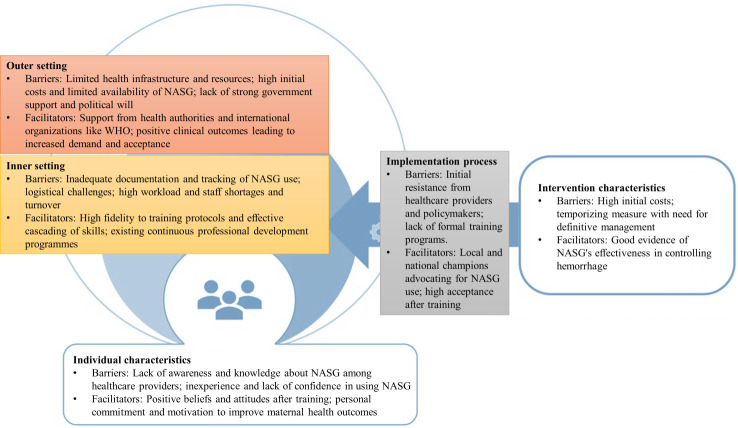
Background: Obstetric haemorrhage is a leading global cause of maternal mortality, particularly in rural and resource-poor settings where delays in care are common. Non-pneumatic antishock garments (NASGs) have been proposed as a temporising measure to reduce blood loss and improve survival rates. Despite positive outcomes from clinical trials, the uptake of the NASG has been slow and faced various implementation challenges. This review thus aims to identify and analyse the barriers and facilitators of NASG implementation in low- and middle-income countries (LMICs) using the Consolidated Framework for Implementation Research (CFIR).
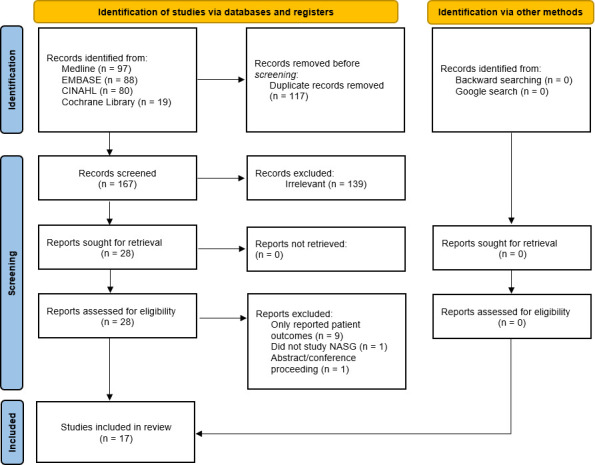
Methods: Following the Preferred Reporting Items for Systematic Reviews and Meta-Analyses guidelines, a comprehensive search strategy was developed to search for studies related to NASG use in Medline, Embase, CINAHL and the Cochrane Library from inception up to August 2024. Grey literature was also reviewed. Two independent reviewers screened identified records using Covidence, assessing relevant studies for inclusion. Data were synthesised using a narrative approach structured around the CFIR's five domains.
Results: A total of 17 studies were reviewed. Common barriers included high initial procurement costs. Inadequate training and knowledge among healthcare providers were another obstacle, resulting in low confidence in the proper use of NASG. Logistical issues, such as inconsistent supply chains and difficulties in maintaining NASG devices, were highlighted, alongside the challenges posed by under-resourced health infrastructures. Facilitators included effective training programmes, support from health authorities, advocacy by local and national champions, and successful integration into clinical protocols and health systems.
Conclusions: The implementation experience of NASG in LMICs highlights important lessons for stakeholders in the global health space, with challenges such as high initial costs and inadequate training being common obstacles in LMICs. Addressing these barriers and leveraging facilitators (eg, through comprehensive training, garnering local and international support and active sourcing for locally produced materials to reduce costs) across multilevel contexts influence implementation.
期刊介绍:
BMJ Global Health is an online Open Access journal from BMJ that focuses on publishing high-quality peer-reviewed content pertinent to individuals engaged in global health, including policy makers, funders, researchers, clinicians, and frontline healthcare workers. The journal encompasses all facets of global health, with a special emphasis on submissions addressing underfunded areas such as non-communicable diseases (NCDs). It welcomes research across all study phases and designs, from study protocols to phase I trials to meta-analyses, including small or specialized studies. The journal also encourages opinionated discussions on controversial topics.




 京公网安备 11010802042870号
京ICP备2023020795号-1
京公网安备 11010802042870号
京ICP备2023020795号-1

 分享
分享
 求助内容:
求助内容: 应助结果提醒方式:
 扫码关注我们
