Chukwuebuka Egbuna, Kingsley C Patrick-Iwuanyanwu, Eugene N Onyeike, Johra Khan, Sahar AlDosari, Sadaf Jahan, Kamoru A Adedokun, Sikiru O Imodoye, Ibrahim O Bello, Chukwuemelie Z Uche, Sana Noreen, Jonathan C Ifemeje
{"title":"多草药制剂对HL-60、HCT-116和HeLa细胞系的抗增殖作用:对接模拟和响应面设计辅助研究","authors":"Chukwuebuka Egbuna, Kingsley C Patrick-Iwuanyanwu, Eugene N Onyeike, Johra Khan, Sahar AlDosari, Sadaf Jahan, Kamoru A Adedokun, Sikiru O Imodoye, Ibrahim O Bello, Chukwuemelie Z Uche, Sana Noreen, Jonathan C Ifemeje","doi":"10.3389/fchem.2025.1487887","DOIUrl":null,"url":null,"abstract":"<p><p>Cancer is a complex global health challenge that requires novel and holistic approaches to treatment and prevention. Polyherbal medicines, composed of multiple plants with historical use in traditional medicine, have gained popularity due to their safety, cost-effectiveness, and accessibility. However, selecting the right plants and determining optimal combinations for enhanced biological effects remains challenging. To address this, a molecular docking study was conducted, targeting proteins implicated in cancer pathogenesis. The study identified bioactive compounds with strong binding energies, guiding the selection of polyherbal formulations for further experimentation. Using response surface methodology, various combinations of plant extracts were screened for their antioxidant properties and phytochemical content. Among the formulations tested, PHEE (Polyherbal Ethanolic Extract), comprising 70% soursop leaf, 5% jackfruit leaf, 5% orange peel, 15% citrus juice, and 5% apple fruit ethanolic extracts, exhibited the most potent biological activities, followed by SLEE (Soursop Leaf Ethanolic Extract), a 100% soursop leaf ethanolic extract. Design Expert Software predicted soursop leaf extract as a key contributor to desirable outcomes, attributed to its rich phytochemical composition. Cell-based assays revealed varying cytotoxic effects of the extracts on leukemia cells, with PHEE showing the highest potency (IC50 = 2.50 μg/mL), followed closely by SLEE (IC50 = 2.90 μg/mL). These effects are potentially due to the abundant acetogenins and flavonoids present in the extracts. However, caution is warranted regarding their cytotoxicity to normal cells. Apoptotic studies confirmed the ability of both PHEE and SLEE to induce programmed cell death, further supporting their potential as anticancer agents. This research underscores the importance of strategic plant combinations in polyherbal formulations and highlights PHEE as a promising candidate for further investigation in cancer treatment.</p>","PeriodicalId":12421,"journal":{"name":"Frontiers in Chemistry","volume":"13 ","pages":"1487887"},"PeriodicalIF":4.2000,"publicationDate":"2025-02-13","publicationTypes":"Journal Article","fieldsOfStudy":null,"isOpenAccess":false,"openAccessPdf":"https://www.ncbi.nlm.nih.gov/pmc/articles/PMC11865080/pdf/","citationCount":"0","resultStr":"{\"title\":\"Anti-proliferative effects of a polyherbal formulation on HL-60, HCT-116, and HeLa cell lines: a docking simulation and response surface design-aided study.\",\"authors\":\"Chukwuebuka Egbuna, Kingsley C Patrick-Iwuanyanwu, Eugene N Onyeike, Johra Khan, Sahar AlDosari, Sadaf Jahan, Kamoru A Adedokun, Sikiru O Imodoye, Ibrahim O Bello, Chukwuemelie Z Uche, Sana Noreen, Jonathan C Ifemeje\",\"doi\":\"10.3389/fchem.2025.1487887\",\"DOIUrl\":null,\"url\":null,\"abstract\":\"<p><p>Cancer is a complex global health challenge that requires novel and holistic approaches to treatment and prevention. Polyherbal medicines, composed of multiple plants with historical use in traditional medicine, have gained popularity due to their safety, cost-effectiveness, and accessibility. However, selecting the right plants and determining optimal combinations for enhanced biological effects remains challenging. To address this, a molecular docking study was conducted, targeting proteins implicated in cancer pathogenesis. The study identified bioactive compounds with strong binding energies, guiding the selection of polyherbal formulations for further experimentation. Using response surface methodology, various combinations of plant extracts were screened for their antioxidant properties and phytochemical content. Among the formulations tested, PHEE (Polyherbal Ethanolic Extract), comprising 70% soursop leaf, 5% jackfruit leaf, 5% orange peel, 15% citrus juice, and 5% apple fruit ethanolic extracts, exhibited the most potent biological activities, followed by SLEE (Soursop Leaf Ethanolic Extract), a 100% soursop leaf ethanolic extract. Design Expert Software predicted soursop leaf extract as a key contributor to desirable outcomes, attributed to its rich phytochemical composition. Cell-based assays revealed varying cytotoxic effects of the extracts on leukemia cells, with PHEE showing the highest potency (IC50 = 2.50 μg/mL), followed closely by SLEE (IC50 = 2.90 μg/mL). These effects are potentially due to the abundant acetogenins and flavonoids present in the extracts. However, caution is warranted regarding their cytotoxicity to normal cells. Apoptotic studies confirmed the ability of both PHEE and SLEE to induce programmed cell death, further supporting their potential as anticancer agents. This research underscores the importance of strategic plant combinations in polyherbal formulations and highlights PHEE as a promising candidate for further investigation in cancer treatment.</p>\",\"PeriodicalId\":12421,\"journal\":{\"name\":\"Frontiers in Chemistry\",\"volume\":\"13 \",\"pages\":\"1487887\"},\"PeriodicalIF\":4.2000,\"publicationDate\":\"2025-02-13\",\"publicationTypes\":\"Journal Article\",\"fieldsOfStudy\":null,\"isOpenAccess\":false,\"openAccessPdf\":\"https://www.ncbi.nlm.nih.gov/pmc/articles/PMC11865080/pdf/\",\"citationCount\":\"0\",\"resultStr\":null,\"platform\":\"Semanticscholar\",\"paperid\":null,\"PeriodicalName\":\"Frontiers in Chemistry\",\"FirstCategoryId\":\"92\",\"ListUrlMain\":\"https://doi.org/10.3389/fchem.2025.1487887\",\"RegionNum\":3,\"RegionCategory\":\"化学\",\"ArticlePicture\":[],\"TitleCN\":null,\"AbstractTextCN\":null,\"PMCID\":null,\"EPubDate\":\"2025/1/1 0:00:00\",\"PubModel\":\"eCollection\",\"JCR\":\"Q2\",\"JCRName\":\"CHEMISTRY, MULTIDISCIPLINARY\",\"Score\":null,\"Total\":0}","platform":"Semanticscholar","paperid":null,"PeriodicalName":"Frontiers in Chemistry","FirstCategoryId":"92","ListUrlMain":"https://doi.org/10.3389/fchem.2025.1487887","RegionNum":3,"RegionCategory":"化学","ArticlePicture":[],"TitleCN":null,"AbstractTextCN":null,"PMCID":null,"EPubDate":"2025/1/1 0:00:00","PubModel":"eCollection","JCR":"Q2","JCRName":"CHEMISTRY, MULTIDISCIPLINARY","Score":null,"Total":0}
Anti-proliferative effects of a polyherbal formulation on HL-60, HCT-116, and HeLa cell lines: a docking simulation and response surface design-aided study.
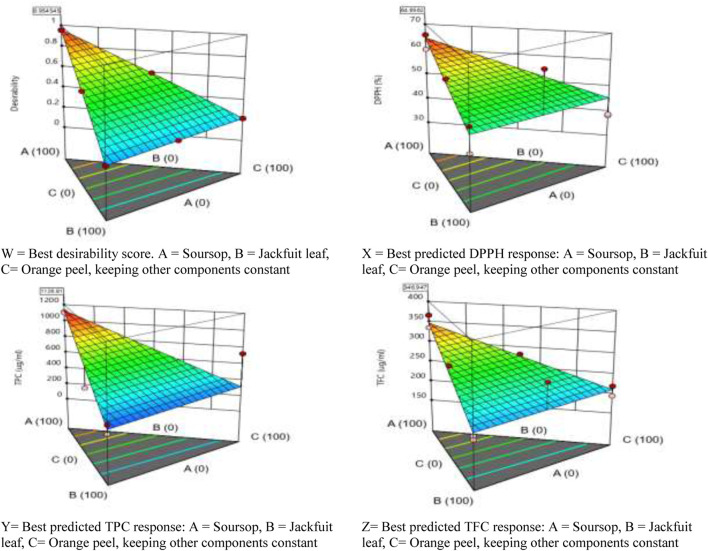
Cancer is a complex global health challenge that requires novel and holistic approaches to treatment and prevention. Polyherbal medicines, composed of multiple plants with historical use in traditional medicine, have gained popularity due to their safety, cost-effectiveness, and accessibility. However, selecting the right plants and determining optimal combinations for enhanced biological effects remains challenging. To address this, a molecular docking study was conducted, targeting proteins implicated in cancer pathogenesis. The study identified bioactive compounds with strong binding energies, guiding the selection of polyherbal formulations for further experimentation. Using response surface methodology, various combinations of plant extracts were screened for their antioxidant properties and phytochemical content. Among the formulations tested, PHEE (Polyherbal Ethanolic Extract), comprising 70% soursop leaf, 5% jackfruit leaf, 5% orange peel, 15% citrus juice, and 5% apple fruit ethanolic extracts, exhibited the most potent biological activities, followed by SLEE (Soursop Leaf Ethanolic Extract), a 100% soursop leaf ethanolic extract. Design Expert Software predicted soursop leaf extract as a key contributor to desirable outcomes, attributed to its rich phytochemical composition. Cell-based assays revealed varying cytotoxic effects of the extracts on leukemia cells, with PHEE showing the highest potency (IC50 = 2.50 μg/mL), followed closely by SLEE (IC50 = 2.90 μg/mL). These effects are potentially due to the abundant acetogenins and flavonoids present in the extracts. However, caution is warranted regarding their cytotoxicity to normal cells. Apoptotic studies confirmed the ability of both PHEE and SLEE to induce programmed cell death, further supporting their potential as anticancer agents. This research underscores the importance of strategic plant combinations in polyherbal formulations and highlights PHEE as a promising candidate for further investigation in cancer treatment.
期刊介绍:
Frontiers in Chemistry is a high visiblity and quality journal, publishing rigorously peer-reviewed research across the chemical sciences. Field Chief Editor Steve Suib at the University of Connecticut is supported by an outstanding Editorial Board of international researchers. This multidisciplinary open-access journal is at the forefront of disseminating and communicating scientific knowledge and impactful discoveries to academics, industry leaders and the public worldwide.
Chemistry is a branch of science that is linked to all other main fields of research. The omnipresence of Chemistry is apparent in our everyday lives from the electronic devices that we all use to communicate, to foods we eat, to our health and well-being, to the different forms of energy that we use. While there are many subtopics and specialties of Chemistry, the fundamental link in all these areas is how atoms, ions, and molecules come together and come apart in what some have come to call the “dance of life”.
All specialty sections of Frontiers in Chemistry are open-access with the goal of publishing outstanding research publications, review articles, commentaries, and ideas about various aspects of Chemistry. The past forms of publication often have specific subdisciplines, most commonly of analytical, inorganic, organic and physical chemistries, but these days those lines and boxes are quite blurry and the silos of those disciplines appear to be eroding. Chemistry is important to both fundamental and applied areas of research and manufacturing, and indeed the outlines of academic versus industrial research are also often artificial. Collaborative research across all specialty areas of Chemistry is highly encouraged and supported as we move forward. These are exciting times and the field of Chemistry is an important and significant contributor to our collective knowledge.






 京公网安备 11010802042870号
京ICP备2023020795号-1
京公网安备 11010802042870号
京ICP备2023020795号-1

 分享
分享
 求助内容:
求助内容: 应助结果提醒方式:
 扫码关注我们
