Emma B Shak, Lyn Berry, Bryant Chow, Sharone Abramowitz, Kala M Mehta
{"title":"医学预科健康教练(PHC)项目:2016-2020年,在加利福尼亚州的一家安全网医院,医学预科学生作为志愿者健康教练。","authors":"Emma B Shak, Lyn Berry, Bryant Chow, Sharone Abramowitz, Kala M Mehta","doi":"10.1186/s12909-024-06524-6","DOIUrl":null,"url":null,"abstract":"<p><strong>Background: </strong>The volunteer Pre-Medical Health Coach (PHC) program engages student volunteers, in team-based primary care providing self-management support to patients with chronic conditions. Both the PHCs and the patients they serve are diverse. The aims of this study are to assess the impact of the PHC program on student outcomes and patient biomarkers.</p><p><strong>Methods: </strong>All PHCs were students recruited from local universities, interviewed, then trained in motivational interviewing and evidence-based chronic disease self-management support. The 22 PHCs were diverse - 8 (36.3%) were underrepresented in medicine and 2 (9%) were first generation in college. The study setting was a public safety-net adult medicine outpatient clinic in Oakland, California. PHCs spent 5 h weekly, for 1-3 years, volunteering alongside primary care residents and faculty. Duties included: (1) observing the doctor-patient interview, (2) on-site health coaching, and (3) telephone follow-up. An internal medicine physician and a licensed clinical social worker supervised the program. Surveys were implemented to understand program impacts and career trajectories of the 22 PHCs and health action plans were reviewed over 4 years. In addition, a focus group was conducted with the PHCs using a deductive approach.</p><p><strong>Results: </strong>Two years after completing the program, 90.9% of the PHCs were still on the path to health professions programs, 50% had applied to medical school, and 18.2% started medical training. Qualitative impacts on coaches included significant clinical exposure, meaningful connection with patients, 'bridging' between the community and health care system and having a more holistic view on health. Patient biomarkers included a decrease in hemoglobin A1c level by 1% point in diabetic patients with diabetes-focused action plans, and smoking-focused action plans led to decreased smoking or cessation.</p><p><strong>Conclusions: </strong>The Pre-Medical Health Coach (PHC) program may benefit both PHCs and patients. PHCs were diverse and providing chronic disease self-management support to patients in a safety-net health care system. This program could be readily adapted in health care systems nationwide to increase diverse entrants to the healthcare workforce.</p>","PeriodicalId":51234,"journal":{"name":"BMC Medical Education","volume":"25 1","pages":"322"},"PeriodicalIF":3.2000,"publicationDate":"2025-02-27","publicationTypes":"Journal Article","fieldsOfStudy":null,"isOpenAccess":false,"openAccessPdf":"https://www.ncbi.nlm.nih.gov/pmc/articles/PMC11869730/pdf/","citationCount":"0","resultStr":"{\"title\":\"The Pre-Medical Health Coach (PHC) program: pre-medical students as volunteer health coaches at a safety-net hospital in California, 2016-2020.\",\"authors\":\"Emma B Shak, Lyn Berry, Bryant Chow, Sharone Abramowitz, Kala M Mehta\",\"doi\":\"10.1186/s12909-024-06524-6\",\"DOIUrl\":null,\"url\":null,\"abstract\":\"<p><strong>Background: </strong>The volunteer Pre-Medical Health Coach (PHC) program engages student volunteers, in team-based primary care providing self-management support to patients with chronic conditions. Both the PHCs and the patients they serve are diverse. The aims of this study are to assess the impact of the PHC program on student outcomes and patient biomarkers.</p><p><strong>Methods: </strong>All PHCs were students recruited from local universities, interviewed, then trained in motivational interviewing and evidence-based chronic disease self-management support. The 22 PHCs were diverse - 8 (36.3%) were underrepresented in medicine and 2 (9%) were first generation in college. The study setting was a public safety-net adult medicine outpatient clinic in Oakland, California. PHCs spent 5 h weekly, for 1-3 years, volunteering alongside primary care residents and faculty. Duties included: (1) observing the doctor-patient interview, (2) on-site health coaching, and (3) telephone follow-up. An internal medicine physician and a licensed clinical social worker supervised the program. Surveys were implemented to understand program impacts and career trajectories of the 22 PHCs and health action plans were reviewed over 4 years. In addition, a focus group was conducted with the PHCs using a deductive approach.</p><p><strong>Results: </strong>Two years after completing the program, 90.9% of the PHCs were still on the path to health professions programs, 50% had applied to medical school, and 18.2% started medical training. Qualitative impacts on coaches included significant clinical exposure, meaningful connection with patients, 'bridging' between the community and health care system and having a more holistic view on health. Patient biomarkers included a decrease in hemoglobin A1c level by 1% point in diabetic patients with diabetes-focused action plans, and smoking-focused action plans led to decreased smoking or cessation.</p><p><strong>Conclusions: </strong>The Pre-Medical Health Coach (PHC) program may benefit both PHCs and patients. PHCs were diverse and providing chronic disease self-management support to patients in a safety-net health care system. This program could be readily adapted in health care systems nationwide to increase diverse entrants to the healthcare workforce.</p>\",\"PeriodicalId\":51234,\"journal\":{\"name\":\"BMC Medical Education\",\"volume\":\"25 1\",\"pages\":\"322\"},\"PeriodicalIF\":3.2000,\"publicationDate\":\"2025-02-27\",\"publicationTypes\":\"Journal Article\",\"fieldsOfStudy\":null,\"isOpenAccess\":false,\"openAccessPdf\":\"https://www.ncbi.nlm.nih.gov/pmc/articles/PMC11869730/pdf/\",\"citationCount\":\"0\",\"resultStr\":null,\"platform\":\"Semanticscholar\",\"paperid\":null,\"PeriodicalName\":\"BMC Medical Education\",\"FirstCategoryId\":\"3\",\"ListUrlMain\":\"https://doi.org/10.1186/s12909-024-06524-6\",\"RegionNum\":2,\"RegionCategory\":\"医学\",\"ArticlePicture\":[],\"TitleCN\":null,\"AbstractTextCN\":null,\"PMCID\":null,\"EPubDate\":\"\",\"PubModel\":\"\",\"JCR\":\"Q1\",\"JCRName\":\"EDUCATION & EDUCATIONAL RESEARCH\",\"Score\":null,\"Total\":0}","platform":"Semanticscholar","paperid":null,"PeriodicalName":"BMC Medical Education","FirstCategoryId":"3","ListUrlMain":"https://doi.org/10.1186/s12909-024-06524-6","RegionNum":2,"RegionCategory":"医学","ArticlePicture":[],"TitleCN":null,"AbstractTextCN":null,"PMCID":null,"EPubDate":"","PubModel":"","JCR":"Q1","JCRName":"EDUCATION & EDUCATIONAL RESEARCH","Score":null,"Total":0}
引用次数: 0
摘要
背景:志愿者医疗前健康教练(PHC)项目招收学生志愿者,在以团队为基础的初级保健中为慢性病患者提供自我管理支持。初级保健中心和他们所服务的病人是多种多样的。本研究的目的是评估PHC项目对学生成绩和患者生物标志物的影响。方法:所有PHCs均为从当地大学招募的学生,接受访谈,然后进行动机访谈和循证慢性病自我管理支持培训。22个phc是多样化的——8个(36.3%)在医学领域的代表不足,2个(9%)是第一代大学生。研究背景是加州奥克兰的一个公共安全网络成人医学门诊诊所。初级保健医生每周花5小时,与初级保健住院医生和教师一起做志愿者,为期1-3年。职责包括:(1)观察医患访谈;(2)现场健康指导;(3)电话随访。一名内科医生和一名有执照的临床社会工作者监督这个项目。开展了调查,以了解22个初级保健中心的方案影响和职业轨迹,并在4年内审查了卫生行动计划。此外,还采用演绎方法与初级保健人员进行了焦点小组讨论。结果:结业2年后,90.9%的初级保健医生仍在继续攻读卫生专业,50%的初级保健医生申请了医学院,18.2%的初级保健医生开始接受医学培训。对教练的定性影响包括显著的临床接触,与患者有意义的联系,社区和医疗保健系统之间的“桥梁”,以及对健康有更全面的看法。患者生物标志物包括糖尿病患者的血红蛋白A1c水平降低1%,以糖尿病为重点的行动计划,以吸烟为重点的行动计划导致吸烟减少或戒烟。结论:Pre-Medical Health Coach (PHC)项目对PHC和患者都有好处。初级保健中心是多样化的,在一个安全网卫生保健系统中为患者提供慢性病自我管理支持。该计划可以很容易地适应在全国卫生保健系统,以增加不同的进入医疗保健劳动力。
The Pre-Medical Health Coach (PHC) program: pre-medical students as volunteer health coaches at a safety-net hospital in California, 2016-2020.
Background: The volunteer Pre-Medical Health Coach (PHC) program engages student volunteers, in team-based primary care providing self-management support to patients with chronic conditions. Both the PHCs and the patients they serve are diverse. The aims of this study are to assess the impact of the PHC program on student outcomes and patient biomarkers.
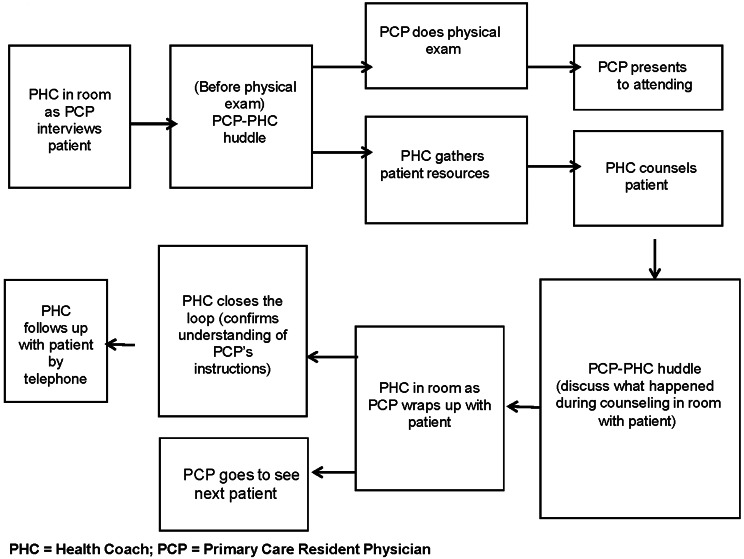
Methods: All PHCs were students recruited from local universities, interviewed, then trained in motivational interviewing and evidence-based chronic disease self-management support. The 22 PHCs were diverse - 8 (36.3%) were underrepresented in medicine and 2 (9%) were first generation in college. The study setting was a public safety-net adult medicine outpatient clinic in Oakland, California. PHCs spent 5 h weekly, for 1-3 years, volunteering alongside primary care residents and faculty. Duties included: (1) observing the doctor-patient interview, (2) on-site health coaching, and (3) telephone follow-up. An internal medicine physician and a licensed clinical social worker supervised the program. Surveys were implemented to understand program impacts and career trajectories of the 22 PHCs and health action plans were reviewed over 4 years. In addition, a focus group was conducted with the PHCs using a deductive approach.
Results: Two years after completing the program, 90.9% of the PHCs were still on the path to health professions programs, 50% had applied to medical school, and 18.2% started medical training. Qualitative impacts on coaches included significant clinical exposure, meaningful connection with patients, 'bridging' between the community and health care system and having a more holistic view on health. Patient biomarkers included a decrease in hemoglobin A1c level by 1% point in diabetic patients with diabetes-focused action plans, and smoking-focused action plans led to decreased smoking or cessation.
Conclusions: The Pre-Medical Health Coach (PHC) program may benefit both PHCs and patients. PHCs were diverse and providing chronic disease self-management support to patients in a safety-net health care system. This program could be readily adapted in health care systems nationwide to increase diverse entrants to the healthcare workforce.
期刊介绍:
BMC Medical Education is an open access journal publishing original peer-reviewed research articles in relation to the training of healthcare professionals, including undergraduate, postgraduate, and continuing education. The journal has a special focus on curriculum development, evaluations of performance, assessment of training needs and evidence-based medicine.




 京公网安备 11010802042870号
京ICP备2023020795号-1
京公网安备 11010802042870号
京ICP备2023020795号-1

 分享
分享
 求助内容:
求助内容: 应助结果提醒方式:
 扫码关注我们
