Shruti S. Pattnaik , Diptiranjan Behera , Debasis Nanda , Nigamananda Das , Ajaya K. Behera
{"title":"材料科学中的绿色化学方法:草纤维增强复合材料的物理力学性能和可持续应用","authors":"Shruti S. Pattnaik , Diptiranjan Behera , Debasis Nanda , Nigamananda Das , Ajaya K. Behera","doi":"10.1039/d4gc05569a","DOIUrl":null,"url":null,"abstract":"<div><div>Escalating environmental crises have spurred research into biodegradable composites as sustainable alternatives to synthetic materials. Fibers from the grass family (<em>Poaceae</em>) are promising due to their renewable nature, lightweight and low-density structure, and favorable mechanical properties. This review highlights their potential to address the environmental and performance challenges of conventional materials, which also aligns with the principles of green chemistry. Grass fibers, derived from stems, leaves, and roots, are abundant, fast-growing, and eco-friendly. Rich in cellulose, they offer excellent reinforcement potential, especially when modified for improved fiber–matrix adhesion. Their desirable mechanical characteristics, including high tensile and flexural strength, make them suitable for applications in the automotive, construction, and packaging industries. Additionally, their biodegradability and sustainable sourcing help mitigate issues related to non-degradable plastics. This study examines their processing techniques and physico-mechanical properties while emphasizing barriers to adoption and the role they play in promoting sustainable material lifecycles as per the defined sustainable development goals.</div></div>","PeriodicalId":78,"journal":{"name":"Green Chemistry","volume":"27 10","pages":"Pages 2629-2660"},"PeriodicalIF":9.2000,"publicationDate":"2025-02-05","publicationTypes":"Journal Article","fieldsOfStudy":null,"isOpenAccess":false,"openAccessPdf":"","citationCount":"0","resultStr":"{\"title\":\"Green chemistry approaches in materials science: physico-mechanical properties and sustainable applications of grass fiber-reinforced composites\",\"authors\":\"Shruti S. Pattnaik , Diptiranjan Behera , Debasis Nanda , Nigamananda Das , Ajaya K. Behera\",\"doi\":\"10.1039/d4gc05569a\",\"DOIUrl\":null,\"url\":null,\"abstract\":\"<div><div>Escalating environmental crises have spurred research into biodegradable composites as sustainable alternatives to synthetic materials. Fibers from the grass family (<em>Poaceae</em>) are promising due to their renewable nature, lightweight and low-density structure, and favorable mechanical properties. This review highlights their potential to address the environmental and performance challenges of conventional materials, which also aligns with the principles of green chemistry. Grass fibers, derived from stems, leaves, and roots, are abundant, fast-growing, and eco-friendly. Rich in cellulose, they offer excellent reinforcement potential, especially when modified for improved fiber–matrix adhesion. Their desirable mechanical characteristics, including high tensile and flexural strength, make them suitable for applications in the automotive, construction, and packaging industries. Additionally, their biodegradability and sustainable sourcing help mitigate issues related to non-degradable plastics. This study examines their processing techniques and physico-mechanical properties while emphasizing barriers to adoption and the role they play in promoting sustainable material lifecycles as per the defined sustainable development goals.</div></div>\",\"PeriodicalId\":78,\"journal\":{\"name\":\"Green Chemistry\",\"volume\":\"27 10\",\"pages\":\"Pages 2629-2660\"},\"PeriodicalIF\":9.2000,\"publicationDate\":\"2025-02-05\",\"publicationTypes\":\"Journal Article\",\"fieldsOfStudy\":null,\"isOpenAccess\":false,\"openAccessPdf\":\"\",\"citationCount\":\"0\",\"resultStr\":null,\"platform\":\"Semanticscholar\",\"paperid\":null,\"PeriodicalName\":\"Green Chemistry\",\"FirstCategoryId\":\"92\",\"ListUrlMain\":\"https://www.sciencedirect.com/org/science/article/pii/S1463926225001098\",\"RegionNum\":1,\"RegionCategory\":\"化学\",\"ArticlePicture\":[],\"TitleCN\":null,\"AbstractTextCN\":null,\"PMCID\":null,\"EPubDate\":\"\",\"PubModel\":\"\",\"JCR\":\"Q1\",\"JCRName\":\"CHEMISTRY, MULTIDISCIPLINARY\",\"Score\":null,\"Total\":0}","platform":"Semanticscholar","paperid":null,"PeriodicalName":"Green Chemistry","FirstCategoryId":"92","ListUrlMain":"https://www.sciencedirect.com/org/science/article/pii/S1463926225001098","RegionNum":1,"RegionCategory":"化学","ArticlePicture":[],"TitleCN":null,"AbstractTextCN":null,"PMCID":null,"EPubDate":"","PubModel":"","JCR":"Q1","JCRName":"CHEMISTRY, MULTIDISCIPLINARY","Score":null,"Total":0}
Green chemistry approaches in materials science: physico-mechanical properties and sustainable applications of grass fiber-reinforced composites
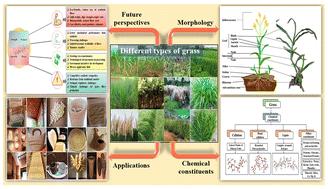
Escalating environmental crises have spurred research into biodegradable composites as sustainable alternatives to synthetic materials. Fibers from the grass family (Poaceae) are promising due to their renewable nature, lightweight and low-density structure, and favorable mechanical properties. This review highlights their potential to address the environmental and performance challenges of conventional materials, which also aligns with the principles of green chemistry. Grass fibers, derived from stems, leaves, and roots, are abundant, fast-growing, and eco-friendly. Rich in cellulose, they offer excellent reinforcement potential, especially when modified for improved fiber–matrix adhesion. Their desirable mechanical characteristics, including high tensile and flexural strength, make them suitable for applications in the automotive, construction, and packaging industries. Additionally, their biodegradability and sustainable sourcing help mitigate issues related to non-degradable plastics. This study examines their processing techniques and physico-mechanical properties while emphasizing barriers to adoption and the role they play in promoting sustainable material lifecycles as per the defined sustainable development goals.
期刊介绍:
Green Chemistry is a journal that provides a unique forum for the publication of innovative research on the development of alternative green and sustainable technologies. The scope of Green Chemistry is based on the definition proposed by Anastas and Warner (Green Chemistry: Theory and Practice, P T Anastas and J C Warner, Oxford University Press, Oxford, 1998), which defines green chemistry as the utilisation of a set of principles that reduces or eliminates the use or generation of hazardous substances in the design, manufacture and application of chemical products. Green Chemistry aims to reduce the environmental impact of the chemical enterprise by developing a technology base that is inherently non-toxic to living things and the environment. The journal welcomes submissions on all aspects of research relating to this endeavor and publishes original and significant cutting-edge research that is likely to be of wide general appeal. For a work to be published, it must present a significant advance in green chemistry, including a comparison with existing methods and a demonstration of advantages over those methods.




 京公网安备 11010802042870号
京ICP备2023020795号-1
京公网安备 11010802042870号
京ICP备2023020795号-1

 分享
分享
 求助内容:
求助内容: 应助结果提醒方式:
 扫码关注我们
