Kara B. Miecznikowski, Hansel M. Greiner, James Leach, Leonid Rozhkov, Francesco T. Mangano, Darcy A. Krueger, Mark W. DiFrancesco
{"title":"病变网络映射在小儿结节性硬化症癫痫手术预后中的应用。","authors":"Kara B. Miecznikowski, Hansel M. Greiner, James Leach, Leonid Rozhkov, Francesco T. Mangano, Darcy A. Krueger, Mark W. DiFrancesco","doi":"10.1111/epi.18320","DOIUrl":null,"url":null,"abstract":"<div>\n \n \n <section>\n \n <h3> Objective</h3>\n \n <p>Patients with tuberous sclerosis complex (TSC)-related epilepsy often have drug-refractory epilepsy and numerous potential epileptogenic tubers. Current clinical methods target tubers for resection, but prediction of resulting seizure relief is difficult. This study describes implementation of lesion network mapping in TSC patients undergoing epilepsy surgery to associate resection zone with seizure outcomes.</p>\n </section>\n \n <section>\n \n <h3> Methods</h3>\n \n <p>Thirty-nine consecutive patients with TSC who underwent invasive electroencephalography (EEG) and resection or ablation of the seizure onset zone were included. After preprocessing, each resection zone was delineated as the region of interest. Lesion network mapping was performed to determine the association between cortical networks connected to the resection zone and postoperative outcome using a multiple regression, iterative model that included demographic and other variables obtained from analysis of invasive EEG.</p>\n </section>\n \n <section>\n \n <h3> Results</h3>\n \n <p>Of 39 patients, 20 (51%) had a good International League Against Epilepsy outcome (1–3). Resection regions connected to the default mode network and motor network were associated with better seizure outcome. Regions connected to the bilateral insula, visual associative regions, and putamen were associated with poor seizure outcome.</p>\n </section>\n \n <section>\n \n <h3> Significance</h3>\n \n <p>This study provides methodology for lesion network mapping in TSC-related epilepsy. The results suggest a tendency for better outcomes when the resection zone is connected to certain networks, including the default mode and motor networks, that may support sustainment of seizures.</p>\n </section>\n </div>","PeriodicalId":11768,"journal":{"name":"Epilepsia","volume":"66 6","pages":"1854-1864"},"PeriodicalIF":6.6000,"publicationDate":"2025-03-05","publicationTypes":"Journal Article","fieldsOfStudy":null,"isOpenAccess":false,"openAccessPdf":"https://onlinelibrary.wiley.com/doi/epdf/10.1111/epi.18320","citationCount":"0","resultStr":"{\"title\":\"Prognostic application of lesion network mapping to epilepsy surgery outcomes in pediatric tuberous sclerosis complex\",\"authors\":\"Kara B. Miecznikowski, Hansel M. Greiner, James Leach, Leonid Rozhkov, Francesco T. Mangano, Darcy A. Krueger, Mark W. DiFrancesco\",\"doi\":\"10.1111/epi.18320\",\"DOIUrl\":null,\"url\":null,\"abstract\":\"<div>\\n \\n \\n <section>\\n \\n <h3> Objective</h3>\\n \\n <p>Patients with tuberous sclerosis complex (TSC)-related epilepsy often have drug-refractory epilepsy and numerous potential epileptogenic tubers. Current clinical methods target tubers for resection, but prediction of resulting seizure relief is difficult. This study describes implementation of lesion network mapping in TSC patients undergoing epilepsy surgery to associate resection zone with seizure outcomes.</p>\\n </section>\\n \\n <section>\\n \\n <h3> Methods</h3>\\n \\n <p>Thirty-nine consecutive patients with TSC who underwent invasive electroencephalography (EEG) and resection or ablation of the seizure onset zone were included. After preprocessing, each resection zone was delineated as the region of interest. Lesion network mapping was performed to determine the association between cortical networks connected to the resection zone and postoperative outcome using a multiple regression, iterative model that included demographic and other variables obtained from analysis of invasive EEG.</p>\\n </section>\\n \\n <section>\\n \\n <h3> Results</h3>\\n \\n <p>Of 39 patients, 20 (51%) had a good International League Against Epilepsy outcome (1–3). Resection regions connected to the default mode network and motor network were associated with better seizure outcome. Regions connected to the bilateral insula, visual associative regions, and putamen were associated with poor seizure outcome.</p>\\n </section>\\n \\n <section>\\n \\n <h3> Significance</h3>\\n \\n <p>This study provides methodology for lesion network mapping in TSC-related epilepsy. The results suggest a tendency for better outcomes when the resection zone is connected to certain networks, including the default mode and motor networks, that may support sustainment of seizures.</p>\\n </section>\\n </div>\",\"PeriodicalId\":11768,\"journal\":{\"name\":\"Epilepsia\",\"volume\":\"66 6\",\"pages\":\"1854-1864\"},\"PeriodicalIF\":6.6000,\"publicationDate\":\"2025-03-05\",\"publicationTypes\":\"Journal Article\",\"fieldsOfStudy\":null,\"isOpenAccess\":false,\"openAccessPdf\":\"https://onlinelibrary.wiley.com/doi/epdf/10.1111/epi.18320\",\"citationCount\":\"0\",\"resultStr\":null,\"platform\":\"Semanticscholar\",\"paperid\":null,\"PeriodicalName\":\"Epilepsia\",\"FirstCategoryId\":\"3\",\"ListUrlMain\":\"https://onlinelibrary.wiley.com/doi/10.1111/epi.18320\",\"RegionNum\":1,\"RegionCategory\":\"医学\",\"ArticlePicture\":[],\"TitleCN\":null,\"AbstractTextCN\":null,\"PMCID\":null,\"EPubDate\":\"\",\"PubModel\":\"\",\"JCR\":\"Q1\",\"JCRName\":\"CLINICAL NEUROLOGY\",\"Score\":null,\"Total\":0}","platform":"Semanticscholar","paperid":null,"PeriodicalName":"Epilepsia","FirstCategoryId":"3","ListUrlMain":"https://onlinelibrary.wiley.com/doi/10.1111/epi.18320","RegionNum":1,"RegionCategory":"医学","ArticlePicture":[],"TitleCN":null,"AbstractTextCN":null,"PMCID":null,"EPubDate":"","PubModel":"","JCR":"Q1","JCRName":"CLINICAL NEUROLOGY","Score":null,"Total":0}
Prognostic application of lesion network mapping to epilepsy surgery outcomes in pediatric tuberous sclerosis complex
Objective
Patients with tuberous sclerosis complex (TSC)-related epilepsy often have drug-refractory epilepsy and numerous potential epileptogenic tubers. Current clinical methods target tubers for resection, but prediction of resulting seizure relief is difficult. This study describes implementation of lesion network mapping in TSC patients undergoing epilepsy surgery to associate resection zone with seizure outcomes.
Methods
Thirty-nine consecutive patients with TSC who underwent invasive electroencephalography (EEG) and resection or ablation of the seizure onset zone were included. After preprocessing, each resection zone was delineated as the region of interest. Lesion network mapping was performed to determine the association between cortical networks connected to the resection zone and postoperative outcome using a multiple regression, iterative model that included demographic and other variables obtained from analysis of invasive EEG.
Results
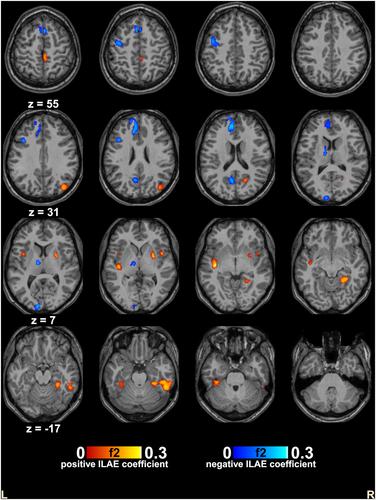
Of 39 patients, 20 (51%) had a good International League Against Epilepsy outcome (1–3). Resection regions connected to the default mode network and motor network were associated with better seizure outcome. Regions connected to the bilateral insula, visual associative regions, and putamen were associated with poor seizure outcome.
Significance
This study provides methodology for lesion network mapping in TSC-related epilepsy. The results suggest a tendency for better outcomes when the resection zone is connected to certain networks, including the default mode and motor networks, that may support sustainment of seizures.
期刊介绍:
Epilepsia is the leading, authoritative source for innovative clinical and basic science research for all aspects of epilepsy and seizures. In addition, Epilepsia publishes critical reviews, opinion pieces, and guidelines that foster understanding and aim to improve the diagnosis and treatment of people with seizures and epilepsy.




 京公网安备 11010802042870号
京ICP备2023020795号-1
京公网安备 11010802042870号
京ICP备2023020795号-1

 分享
分享
 求助内容:
求助内容: 应助结果提醒方式:
 扫码关注我们
