{"title":"外部成分介导的表面有机纳米结构:从组装到反应。","authors":"Chi Zhang, Rujia Hou, Wei Xu","doi":"10.1002/smtd.202402118","DOIUrl":null,"url":null,"abstract":"<p>Surface organic nanostructures demonstrate great potential across multidisciplinary fields ranging from molecular electronics to energy conversion and storage. In the regime of surface chemistry, their preparation generally relies on intrinsic components originally involved in the molecule-substrate systems to drive molecular assembly and reaction. The recent paradigm shift employs extrinsic components as functional mediators to precisely regulate nanostructure formation pathways and the resulting molecular nanostructures. This review highlights three categories of extrinsic modulators, including small gas molecules, metals, and their combinations, that allow the construction and modification of surface organic nanostructures through tailored assembly and reaction. In addition, their detailed roles and regulatory mechanisms at the single-molecule level are also discussed. This emerging extrinsic-components-mediated assembly and reaction methodology displayed herein enriches the preparation toolbox for surface organic nanostructures and further allows the modification of their physicochemical properties, opening new frontiers in supramolecular engineering, nanomaterials development, etc.</p>","PeriodicalId":229,"journal":{"name":"Small Methods","volume":"9 10","pages":""},"PeriodicalIF":8.7000,"publicationDate":"2025-03-06","publicationTypes":"Journal Article","fieldsOfStudy":null,"isOpenAccess":false,"openAccessPdf":"","citationCount":"0","resultStr":"{\"title\":\"Surface Organic Nanostructures Mediated by Extrinsic Components: from Assembly to Reaction\",\"authors\":\"Chi Zhang, Rujia Hou, Wei Xu\",\"doi\":\"10.1002/smtd.202402118\",\"DOIUrl\":null,\"url\":null,\"abstract\":\"<p>Surface organic nanostructures demonstrate great potential across multidisciplinary fields ranging from molecular electronics to energy conversion and storage. In the regime of surface chemistry, their preparation generally relies on intrinsic components originally involved in the molecule-substrate systems to drive molecular assembly and reaction. The recent paradigm shift employs extrinsic components as functional mediators to precisely regulate nanostructure formation pathways and the resulting molecular nanostructures. This review highlights three categories of extrinsic modulators, including small gas molecules, metals, and their combinations, that allow the construction and modification of surface organic nanostructures through tailored assembly and reaction. In addition, their detailed roles and regulatory mechanisms at the single-molecule level are also discussed. This emerging extrinsic-components-mediated assembly and reaction methodology displayed herein enriches the preparation toolbox for surface organic nanostructures and further allows the modification of their physicochemical properties, opening new frontiers in supramolecular engineering, nanomaterials development, etc.</p>\",\"PeriodicalId\":229,\"journal\":{\"name\":\"Small Methods\",\"volume\":\"9 10\",\"pages\":\"\"},\"PeriodicalIF\":8.7000,\"publicationDate\":\"2025-03-06\",\"publicationTypes\":\"Journal Article\",\"fieldsOfStudy\":null,\"isOpenAccess\":false,\"openAccessPdf\":\"\",\"citationCount\":\"0\",\"resultStr\":null,\"platform\":\"Semanticscholar\",\"paperid\":null,\"PeriodicalName\":\"Small Methods\",\"FirstCategoryId\":\"88\",\"ListUrlMain\":\"https://onlinelibrary.wiley.com/doi/10.1002/smtd.202402118\",\"RegionNum\":2,\"RegionCategory\":\"材料科学\",\"ArticlePicture\":[],\"TitleCN\":null,\"AbstractTextCN\":null,\"PMCID\":null,\"EPubDate\":\"\",\"PubModel\":\"\",\"JCR\":\"Q1\",\"JCRName\":\"CHEMISTRY, PHYSICAL\",\"Score\":null,\"Total\":0}","platform":"Semanticscholar","paperid":null,"PeriodicalName":"Small Methods","FirstCategoryId":"88","ListUrlMain":"https://onlinelibrary.wiley.com/doi/10.1002/smtd.202402118","RegionNum":2,"RegionCategory":"材料科学","ArticlePicture":[],"TitleCN":null,"AbstractTextCN":null,"PMCID":null,"EPubDate":"","PubModel":"","JCR":"Q1","JCRName":"CHEMISTRY, PHYSICAL","Score":null,"Total":0}
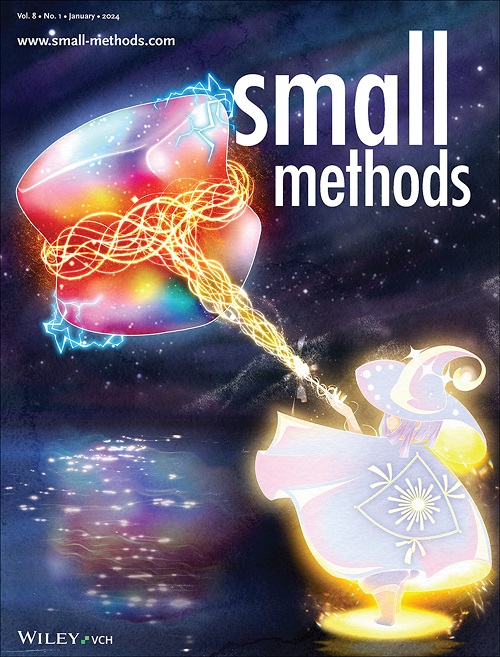
Surface Organic Nanostructures Mediated by Extrinsic Components: from Assembly to Reaction
Surface organic nanostructures demonstrate great potential across multidisciplinary fields ranging from molecular electronics to energy conversion and storage. In the regime of surface chemistry, their preparation generally relies on intrinsic components originally involved in the molecule-substrate systems to drive molecular assembly and reaction. The recent paradigm shift employs extrinsic components as functional mediators to precisely regulate nanostructure formation pathways and the resulting molecular nanostructures. This review highlights three categories of extrinsic modulators, including small gas molecules, metals, and their combinations, that allow the construction and modification of surface organic nanostructures through tailored assembly and reaction. In addition, their detailed roles and regulatory mechanisms at the single-molecule level are also discussed. This emerging extrinsic-components-mediated assembly and reaction methodology displayed herein enriches the preparation toolbox for surface organic nanostructures and further allows the modification of their physicochemical properties, opening new frontiers in supramolecular engineering, nanomaterials development, etc.
Small MethodsMaterials Science-General Materials Science
CiteScore
17.40
自引率
1.60%
发文量
347
期刊介绍:
Small Methods is a multidisciplinary journal that publishes groundbreaking research on methods relevant to nano- and microscale research. It welcomes contributions from the fields of materials science, biomedical science, chemistry, and physics, showcasing the latest advancements in experimental techniques.
With a notable 2022 Impact Factor of 12.4 (Journal Citation Reports, Clarivate Analytics, 2023), Small Methods is recognized for its significant impact on the scientific community.
The online ISSN for Small Methods is 2366-9608.





 京公网安备 11010802042870号
京ICP备2023020795号-1
京公网安备 11010802042870号
京ICP备2023020795号-1

 分享
分享
 求助内容:
求助内容: 应助结果提醒方式:
 扫码关注我们
