{"title":"人工智能、物联网和边缘智能在老年人长期护理中的应用:通过文献计量学、谷歌趋势和内容分析进行综合分析。","authors":"Shuo-Chen Chien, Chia-Ming Yen, Yu-Hung Chang, Ying-Erh Chen, Chia-Chun Liu, Yu-Ping Hsiao, Ping-Yen Yang, Hong-Ming Lin, Tsung-En Yang, Xing-Hua Lu, I-Chien Wu, Chih-Cheng Hsu, Hung-Yi Chiou, Ren-Hua Chung","doi":"10.2196/56692","DOIUrl":null,"url":null,"abstract":"<p><strong>Background: </strong>The global aging population poses critical challenges for long-term care (LTC), including workforce shortages, escalating health care costs, and increasing demand for high-quality care. Integrating artificial intelligence (AI), the Internet of Things (IoT), and edge intelligence (EI) offers transformative potential to enhance care quality, improve safety, and streamline operations. However, existing research lacks a comprehensive analysis that synthesizes academic trends, public interest, and deeper insights regarding these technologies.</p><p><strong>Objective: </strong>This study aims to provide a holistic overview of AI, IoT, and EI applications in LTC for older adults through a comprehensive bibliometric analysis, public interest insights from Google Trends, and content analysis of the top-cited research papers.</p><p><strong>Methods: </strong>Bibliometric analysis was conducted using data from Web of Science, PubMed, and Scopus to identify key themes and trends in the field, while Google Trends was used to assess public interest. A content analysis of the top 1% of most-cited papers provided deeper insights into practical applications.</p><p><strong>Results: </strong>A total of 6378 papers published between 2014 and 2023 were analyzed. The bibliometric analysis revealed that the United States, China, and Canada are leading contributors, with strong thematic overlaps in areas such as dementia care, machine learning, and wearable health monitoring technologies. High correlations were found between academic and public interest, in key topics such as \"long-term care\" (τ=0.89, P<.001) and \"caregiver\" (τ=0.72, P=.004). The content analysis demonstrated that social robots, particularly PARO, significantly improved mood and reduced agitation in patients with dementia. However, limitations, including small sample sizes, short study durations, and a narrow focus on dementia care, were noted.</p><p><strong>Conclusions: </strong>AI, IoT, and EI collectively form a powerful ecosystem in LTC settings, addressing different aspects of care for older adults. Our study suggests that increased international collaboration and the integration of emerging themes such as \"rehabilitation,\" \"stroke,\" and \"mHealth\" are necessary to meet the evolving care needs of this population. Additionally, incorporating high-interest keywords such as \"machine learning,\" \"smart home,\" and \"caregiver\" can enhance discoverability and relevance for both academic and public audiences. Future research should focus on expanding sample sizes, conducting long-term multicenter trials, and exploring broader health conditions beyond dementia, such as frailty and depression.</p>","PeriodicalId":16337,"journal":{"name":"Journal of Medical Internet Research","volume":"27 ","pages":"e56692"},"PeriodicalIF":6.0000,"publicationDate":"2025-03-04","publicationTypes":"Journal Article","fieldsOfStudy":null,"isOpenAccess":false,"openAccessPdf":"https://www.ncbi.nlm.nih.gov/pmc/articles/PMC11920668/pdf/","citationCount":"0","resultStr":"{\"title\":\"Use of Artificial Intelligence, Internet of Things, and Edge Intelligence in Long-Term Care for Older People: Comprehensive Analysis Through Bibliometric, Google Trends, and Content Analysis.\",\"authors\":\"Shuo-Chen Chien, Chia-Ming Yen, Yu-Hung Chang, Ying-Erh Chen, Chia-Chun Liu, Yu-Ping Hsiao, Ping-Yen Yang, Hong-Ming Lin, Tsung-En Yang, Xing-Hua Lu, I-Chien Wu, Chih-Cheng Hsu, Hung-Yi Chiou, Ren-Hua Chung\",\"doi\":\"10.2196/56692\",\"DOIUrl\":null,\"url\":null,\"abstract\":\"<p><strong>Background: </strong>The global aging population poses critical challenges for long-term care (LTC), including workforce shortages, escalating health care costs, and increasing demand for high-quality care. Integrating artificial intelligence (AI), the Internet of Things (IoT), and edge intelligence (EI) offers transformative potential to enhance care quality, improve safety, and streamline operations. However, existing research lacks a comprehensive analysis that synthesizes academic trends, public interest, and deeper insights regarding these technologies.</p><p><strong>Objective: </strong>This study aims to provide a holistic overview of AI, IoT, and EI applications in LTC for older adults through a comprehensive bibliometric analysis, public interest insights from Google Trends, and content analysis of the top-cited research papers.</p><p><strong>Methods: </strong>Bibliometric analysis was conducted using data from Web of Science, PubMed, and Scopus to identify key themes and trends in the field, while Google Trends was used to assess public interest. A content analysis of the top 1% of most-cited papers provided deeper insights into practical applications.</p><p><strong>Results: </strong>A total of 6378 papers published between 2014 and 2023 were analyzed. The bibliometric analysis revealed that the United States, China, and Canada are leading contributors, with strong thematic overlaps in areas such as dementia care, machine learning, and wearable health monitoring technologies. High correlations were found between academic and public interest, in key topics such as \\\"long-term care\\\" (τ=0.89, P<.001) and \\\"caregiver\\\" (τ=0.72, P=.004). The content analysis demonstrated that social robots, particularly PARO, significantly improved mood and reduced agitation in patients with dementia. However, limitations, including small sample sizes, short study durations, and a narrow focus on dementia care, were noted.</p><p><strong>Conclusions: </strong>AI, IoT, and EI collectively form a powerful ecosystem in LTC settings, addressing different aspects of care for older adults. Our study suggests that increased international collaboration and the integration of emerging themes such as \\\"rehabilitation,\\\" \\\"stroke,\\\" and \\\"mHealth\\\" are necessary to meet the evolving care needs of this population. Additionally, incorporating high-interest keywords such as \\\"machine learning,\\\" \\\"smart home,\\\" and \\\"caregiver\\\" can enhance discoverability and relevance for both academic and public audiences. Future research should focus on expanding sample sizes, conducting long-term multicenter trials, and exploring broader health conditions beyond dementia, such as frailty and depression.</p>\",\"PeriodicalId\":16337,\"journal\":{\"name\":\"Journal of Medical Internet Research\",\"volume\":\"27 \",\"pages\":\"e56692\"},\"PeriodicalIF\":6.0000,\"publicationDate\":\"2025-03-04\",\"publicationTypes\":\"Journal Article\",\"fieldsOfStudy\":null,\"isOpenAccess\":false,\"openAccessPdf\":\"https://www.ncbi.nlm.nih.gov/pmc/articles/PMC11920668/pdf/\",\"citationCount\":\"0\",\"resultStr\":null,\"platform\":\"Semanticscholar\",\"paperid\":null,\"PeriodicalName\":\"Journal of Medical Internet Research\",\"FirstCategoryId\":\"3\",\"ListUrlMain\":\"https://doi.org/10.2196/56692\",\"RegionNum\":2,\"RegionCategory\":\"医学\",\"ArticlePicture\":[],\"TitleCN\":null,\"AbstractTextCN\":null,\"PMCID\":null,\"EPubDate\":\"\",\"PubModel\":\"\",\"JCR\":\"Q1\",\"JCRName\":\"HEALTH CARE SCIENCES & SERVICES\",\"Score\":null,\"Total\":0}","platform":"Semanticscholar","paperid":null,"PeriodicalName":"Journal of Medical Internet Research","FirstCategoryId":"3","ListUrlMain":"https://doi.org/10.2196/56692","RegionNum":2,"RegionCategory":"医学","ArticlePicture":[],"TitleCN":null,"AbstractTextCN":null,"PMCID":null,"EPubDate":"","PubModel":"","JCR":"Q1","JCRName":"HEALTH CARE SCIENCES & SERVICES","Score":null,"Total":0}
引用次数: 0
摘要
背景:全球人口老龄化给长期护理(LTC)带来了严峻的挑战,包括劳动力短缺、医疗保健成本不断上升以及对高质量护理的需求不断增加。人工智能(AI)、物联网(IoT)和边缘智能(EI)的整合为提高护理质量、改善安全性和简化运营提供了变革性的潜力。然而,现有的研究缺乏综合学术趋势、公共利益和对这些技术的更深入的见解的全面分析。目的:本研究旨在通过综合文献计量分析、谷歌Trends的公共利益见解以及对被引次数最多的研究论文的内容分析,全面概述AI、IoT和EI在老年人LTC中的应用。方法:利用Web of Science、PubMed和Scopus的数据进行文献计量分析,确定该领域的关键主题和趋势,并使用谷歌trends评估公众兴趣。对被引次数最多的前1%论文的内容分析提供了对实际应用的更深入的见解。结果:共分析2014 - 2023年发表的6378篇论文。文献计量分析显示,美国、中国和加拿大是主要贡献者,在痴呆症护理、机器学习和可穿戴健康监测技术等领域有很强的主题重叠。在“长期护理”等关键主题中,学术和公众利益之间存在高度相关性(τ=0.89)。结论:AI、IoT和EI共同构成了LTC环境中强大的生态系统,解决了老年人护理的不同方面。我们的研究表明,增加国际合作和整合诸如“康复”、“中风”和“移动健康”等新兴主题对于满足这一人群不断变化的护理需求是必要的。此外,结合“机器学习”、“智能家居”和“护理人员”等高兴趣关键词可以提高学术和公众受众的可发现性和相关性。未来的研究应侧重于扩大样本量,进行长期的多中心试验,并探索除痴呆症之外的更广泛的健康状况,如虚弱和抑郁。
Use of Artificial Intelligence, Internet of Things, and Edge Intelligence in Long-Term Care for Older People: Comprehensive Analysis Through Bibliometric, Google Trends, and Content Analysis.
Background: The global aging population poses critical challenges for long-term care (LTC), including workforce shortages, escalating health care costs, and increasing demand for high-quality care. Integrating artificial intelligence (AI), the Internet of Things (IoT), and edge intelligence (EI) offers transformative potential to enhance care quality, improve safety, and streamline operations. However, existing research lacks a comprehensive analysis that synthesizes academic trends, public interest, and deeper insights regarding these technologies.
Objective: This study aims to provide a holistic overview of AI, IoT, and EI applications in LTC for older adults through a comprehensive bibliometric analysis, public interest insights from Google Trends, and content analysis of the top-cited research papers.
Methods: Bibliometric analysis was conducted using data from Web of Science, PubMed, and Scopus to identify key themes and trends in the field, while Google Trends was used to assess public interest. A content analysis of the top 1% of most-cited papers provided deeper insights into practical applications.
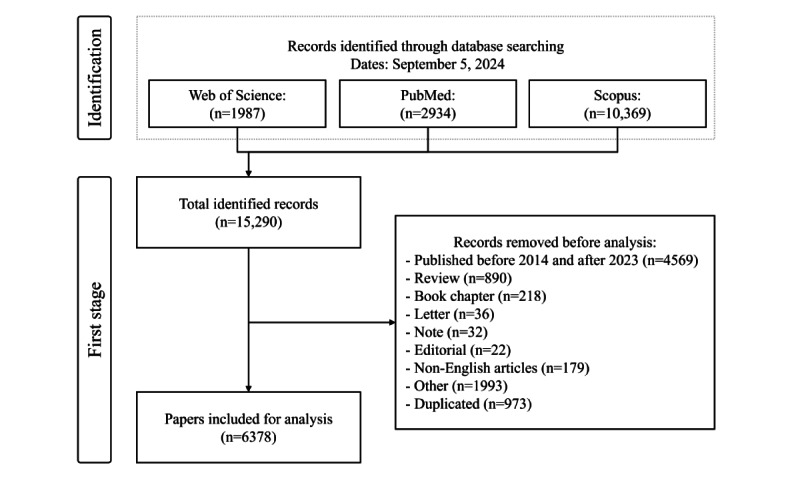
Results: A total of 6378 papers published between 2014 and 2023 were analyzed. The bibliometric analysis revealed that the United States, China, and Canada are leading contributors, with strong thematic overlaps in areas such as dementia care, machine learning, and wearable health monitoring technologies. High correlations were found between academic and public interest, in key topics such as "long-term care" (τ=0.89, P<.001) and "caregiver" (τ=0.72, P=.004). The content analysis demonstrated that social robots, particularly PARO, significantly improved mood and reduced agitation in patients with dementia. However, limitations, including small sample sizes, short study durations, and a narrow focus on dementia care, were noted.
Conclusions: AI, IoT, and EI collectively form a powerful ecosystem in LTC settings, addressing different aspects of care for older adults. Our study suggests that increased international collaboration and the integration of emerging themes such as "rehabilitation," "stroke," and "mHealth" are necessary to meet the evolving care needs of this population. Additionally, incorporating high-interest keywords such as "machine learning," "smart home," and "caregiver" can enhance discoverability and relevance for both academic and public audiences. Future research should focus on expanding sample sizes, conducting long-term multicenter trials, and exploring broader health conditions beyond dementia, such as frailty and depression.
期刊介绍:
The Journal of Medical Internet Research (JMIR) is a highly respected publication in the field of health informatics and health services. With a founding date in 1999, JMIR has been a pioneer in the field for over two decades.
As a leader in the industry, the journal focuses on digital health, data science, health informatics, and emerging technologies for health, medicine, and biomedical research. It is recognized as a top publication in these disciplines, ranking in the first quartile (Q1) by Impact Factor.
Notably, JMIR holds the prestigious position of being ranked #1 on Google Scholar within the "Medical Informatics" discipline.






 京公网安备 11010802042870号
京ICP备2023020795号-1
京公网安备 11010802042870号
京ICP备2023020795号-1

 分享
分享

 求助内容:
求助内容: 应助结果提醒方式:
 扫码关注我们
