Amol B. Pandhare, Swapnajit V. Mulik, Santosh S. Patil, Roman V. Smotraiev, Rajendra P. Patil and Sagar D. Delekar
{"title":"功能混合金属氧化物纳米材料:其在癌症治疗中的热疗潜力的综合综述","authors":"Amol B. Pandhare, Swapnajit V. Mulik, Santosh S. Patil, Roman V. Smotraiev, Rajendra P. Patil and Sagar D. Delekar","doi":"10.1039/D4NJ02783C","DOIUrl":null,"url":null,"abstract":"<p >This review provides a comprehensive and well-structured analysis of magnetic hyperthermia therapy (MHT) as a potential cancer treatment. It begins by discussing the causes and symptoms of cancer, highlighting the significance of effective treatment strategies, such as hyperthermia. The review emphasizes the crucial role of functional magnetic nanomaterials in MHT, exploring the various types available. It also briefly highlights different methods for synthesizing magnetic nanomaterials with physicochemical properties optimized for MHT. Furthermore, recent findings on nanomaterials that enhance key variables promoting the therapeutic use of MHT are presented. The importance of biocompatible materials in MHT is discussed, along with a collection of relevant, up-to-date data. Additionally, the review explains methods for evaluating the hyperthermia potential of these nanomaterials, with supporting evidence from both <em>in vivo</em> and <em>in vitro</em> studies demonstrating their efficacy. This review highlights advances in therapeutic MNPs, focusing on synthesis methods, magnetic properties, and biomedical applications. Looking ahead, the review outlines future perspectives for MHT, stressing the need for advancements in nanomaterial design, improved targeting strategies, and integration with other treatments, such as chemotherapy and radiation therapy. These improvements could lead to more effective and personalized cancer therapies. Continued research in these areas is expected to further enhance the clinical application and therapeutic outcomes of MHT in cancer treatment.</p>","PeriodicalId":95,"journal":{"name":"New Journal of Chemistry","volume":" 12","pages":" 4735-4754"},"PeriodicalIF":2.5000,"publicationDate":"2025-03-06","publicationTypes":"Journal Article","fieldsOfStudy":null,"isOpenAccess":false,"openAccessPdf":"","citationCount":"0","resultStr":"{\"title\":\"Functional mixed metal oxide nanomaterials: a comprehensive review of their hyperthermic potential in cancer therapy\",\"authors\":\"Amol B. Pandhare, Swapnajit V. Mulik, Santosh S. Patil, Roman V. Smotraiev, Rajendra P. Patil and Sagar D. Delekar\",\"doi\":\"10.1039/D4NJ02783C\",\"DOIUrl\":null,\"url\":null,\"abstract\":\"<p >This review provides a comprehensive and well-structured analysis of magnetic hyperthermia therapy (MHT) as a potential cancer treatment. It begins by discussing the causes and symptoms of cancer, highlighting the significance of effective treatment strategies, such as hyperthermia. The review emphasizes the crucial role of functional magnetic nanomaterials in MHT, exploring the various types available. It also briefly highlights different methods for synthesizing magnetic nanomaterials with physicochemical properties optimized for MHT. Furthermore, recent findings on nanomaterials that enhance key variables promoting the therapeutic use of MHT are presented. The importance of biocompatible materials in MHT is discussed, along with a collection of relevant, up-to-date data. Additionally, the review explains methods for evaluating the hyperthermia potential of these nanomaterials, with supporting evidence from both <em>in vivo</em> and <em>in vitro</em> studies demonstrating their efficacy. This review highlights advances in therapeutic MNPs, focusing on synthesis methods, magnetic properties, and biomedical applications. Looking ahead, the review outlines future perspectives for MHT, stressing the need for advancements in nanomaterial design, improved targeting strategies, and integration with other treatments, such as chemotherapy and radiation therapy. These improvements could lead to more effective and personalized cancer therapies. Continued research in these areas is expected to further enhance the clinical application and therapeutic outcomes of MHT in cancer treatment.</p>\",\"PeriodicalId\":95,\"journal\":{\"name\":\"New Journal of Chemistry\",\"volume\":\" 12\",\"pages\":\" 4735-4754\"},\"PeriodicalIF\":2.5000,\"publicationDate\":\"2025-03-06\",\"publicationTypes\":\"Journal Article\",\"fieldsOfStudy\":null,\"isOpenAccess\":false,\"openAccessPdf\":\"\",\"citationCount\":\"0\",\"resultStr\":null,\"platform\":\"Semanticscholar\",\"paperid\":null,\"PeriodicalName\":\"New Journal of Chemistry\",\"FirstCategoryId\":\"92\",\"ListUrlMain\":\"https://pubs.rsc.org/en/content/articlelanding/2025/nj/d4nj02783c\",\"RegionNum\":3,\"RegionCategory\":\"化学\",\"ArticlePicture\":[],\"TitleCN\":null,\"AbstractTextCN\":null,\"PMCID\":null,\"EPubDate\":\"\",\"PubModel\":\"\",\"JCR\":\"Q2\",\"JCRName\":\"CHEMISTRY, MULTIDISCIPLINARY\",\"Score\":null,\"Total\":0}","platform":"Semanticscholar","paperid":null,"PeriodicalName":"New Journal of Chemistry","FirstCategoryId":"92","ListUrlMain":"https://pubs.rsc.org/en/content/articlelanding/2025/nj/d4nj02783c","RegionNum":3,"RegionCategory":"化学","ArticlePicture":[],"TitleCN":null,"AbstractTextCN":null,"PMCID":null,"EPubDate":"","PubModel":"","JCR":"Q2","JCRName":"CHEMISTRY, MULTIDISCIPLINARY","Score":null,"Total":0}
Functional mixed metal oxide nanomaterials: a comprehensive review of their hyperthermic potential in cancer therapy
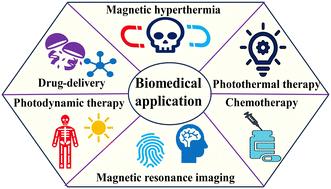
This review provides a comprehensive and well-structured analysis of magnetic hyperthermia therapy (MHT) as a potential cancer treatment. It begins by discussing the causes and symptoms of cancer, highlighting the significance of effective treatment strategies, such as hyperthermia. The review emphasizes the crucial role of functional magnetic nanomaterials in MHT, exploring the various types available. It also briefly highlights different methods for synthesizing magnetic nanomaterials with physicochemical properties optimized for MHT. Furthermore, recent findings on nanomaterials that enhance key variables promoting the therapeutic use of MHT are presented. The importance of biocompatible materials in MHT is discussed, along with a collection of relevant, up-to-date data. Additionally, the review explains methods for evaluating the hyperthermia potential of these nanomaterials, with supporting evidence from both in vivo and in vitro studies demonstrating their efficacy. This review highlights advances in therapeutic MNPs, focusing on synthesis methods, magnetic properties, and biomedical applications. Looking ahead, the review outlines future perspectives for MHT, stressing the need for advancements in nanomaterial design, improved targeting strategies, and integration with other treatments, such as chemotherapy and radiation therapy. These improvements could lead to more effective and personalized cancer therapies. Continued research in these areas is expected to further enhance the clinical application and therapeutic outcomes of MHT in cancer treatment.




 京公网安备 11010802042870号
京ICP备2023020795号-1
京公网安备 11010802042870号
京ICP备2023020795号-1

 分享
分享
 求助内容:
求助内容: 应助结果提醒方式:
 扫码关注我们
