Junyou Su, Xiaoting Huang, Shengping Meng, Sumei Wang
{"title":"子痫前期患者血清和胎盘IGF-1和IGF-1R水平的研究及其临床意义","authors":"Junyou Su, Xiaoting Huang, Shengping Meng, Sumei Wang","doi":"10.2147/IJWH.S512910","DOIUrl":null,"url":null,"abstract":"<p><strong>Objective: </strong>To investigate the levels of insulin-like growth factor-1 (IGF-1) and insulin-like growth factor-1 receptor (IGF-1R) in the serum and placenta of patients with preeclampsia (PE), establish their correlations, and evaluate their diagnostic potential.</p><p><strong>Methods: </strong>22 PE patients and 22 normal pregnant women who underwent cesarean section deliveries at the First Affiliated Hospital of Guangxi Medical University between December 2021 and December 2022 were included in the observation group and the control group. Enzyme-linked immunosorbent assay (ELISA) was utilized to measure the levels of IGF-1 and IGF-1R in serum samples, and immunohistochemical techniques (IHC) were employed to evaluate the levels of IGF-1 and IGF-1R in placental samples. The association between IGF-1, IGF-1R, and PE was analyzed, and the diagnostic accuracy of serum IGF-1 and IGF-1R for PE was assessed by ROC curve analysis.</p><p><strong>Results: </strong>The levels of IGF-1 and IGF-1R in the serum and average optical density (AOD) value of IGF-1 and IGF-1R in placental tissue of the observation group were significantly lower. In the group with PE, there was a reduction in the number of positive cells for IGF-1 and IGF-1R in placental tissue. Positive correlations were noted between IGF-1 and IGF-1R levels in both serum and placental tissue and neonatal birth weight. The ROC curve analysis revealed that serum IGF-1 exhibited an AUC of 0.944 for diagnosing PE, with a sensitivity of 86.00% and specificity of 100.00%. Serum IGF-1R showed an AUC of 0.820 for diagnosing PE, with a sensitivity of 77.00% and specificity of 77.00%.</p><p><strong>Conclusion: </strong>The expression of IGF-1 and IGF-1R in the serum and placental tissues of preeclamptic pregnant women was significantly reduced. This reduction implies that IGF-1 and IGF-1R may potentially be used as biomarkers in the clinical prediction, diagnosis, and prognosis evaluation of PE.</p>","PeriodicalId":14356,"journal":{"name":"International Journal of Women's Health","volume":"17 ","pages":"729-738"},"PeriodicalIF":2.6000,"publicationDate":"2025-03-13","publicationTypes":"Journal Article","fieldsOfStudy":null,"isOpenAccess":false,"openAccessPdf":"https://www.ncbi.nlm.nih.gov/pmc/articles/PMC11913123/pdf/","citationCount":"0","resultStr":"{\"title\":\"Investigating Serum and Placental Levels of IGF-1 and IGF-1R in Preeclampsia Patients and Their Clinical Implications.\",\"authors\":\"Junyou Su, Xiaoting Huang, Shengping Meng, Sumei Wang\",\"doi\":\"10.2147/IJWH.S512910\",\"DOIUrl\":null,\"url\":null,\"abstract\":\"<p><strong>Objective: </strong>To investigate the levels of insulin-like growth factor-1 (IGF-1) and insulin-like growth factor-1 receptor (IGF-1R) in the serum and placenta of patients with preeclampsia (PE), establish their correlations, and evaluate their diagnostic potential.</p><p><strong>Methods: </strong>22 PE patients and 22 normal pregnant women who underwent cesarean section deliveries at the First Affiliated Hospital of Guangxi Medical University between December 2021 and December 2022 were included in the observation group and the control group. Enzyme-linked immunosorbent assay (ELISA) was utilized to measure the levels of IGF-1 and IGF-1R in serum samples, and immunohistochemical techniques (IHC) were employed to evaluate the levels of IGF-1 and IGF-1R in placental samples. The association between IGF-1, IGF-1R, and PE was analyzed, and the diagnostic accuracy of serum IGF-1 and IGF-1R for PE was assessed by ROC curve analysis.</p><p><strong>Results: </strong>The levels of IGF-1 and IGF-1R in the serum and average optical density (AOD) value of IGF-1 and IGF-1R in placental tissue of the observation group were significantly lower. In the group with PE, there was a reduction in the number of positive cells for IGF-1 and IGF-1R in placental tissue. Positive correlations were noted between IGF-1 and IGF-1R levels in both serum and placental tissue and neonatal birth weight. The ROC curve analysis revealed that serum IGF-1 exhibited an AUC of 0.944 for diagnosing PE, with a sensitivity of 86.00% and specificity of 100.00%. Serum IGF-1R showed an AUC of 0.820 for diagnosing PE, with a sensitivity of 77.00% and specificity of 77.00%.</p><p><strong>Conclusion: </strong>The expression of IGF-1 and IGF-1R in the serum and placental tissues of preeclamptic pregnant women was significantly reduced. This reduction implies that IGF-1 and IGF-1R may potentially be used as biomarkers in the clinical prediction, diagnosis, and prognosis evaluation of PE.</p>\",\"PeriodicalId\":14356,\"journal\":{\"name\":\"International Journal of Women's Health\",\"volume\":\"17 \",\"pages\":\"729-738\"},\"PeriodicalIF\":2.6000,\"publicationDate\":\"2025-03-13\",\"publicationTypes\":\"Journal Article\",\"fieldsOfStudy\":null,\"isOpenAccess\":false,\"openAccessPdf\":\"https://www.ncbi.nlm.nih.gov/pmc/articles/PMC11913123/pdf/\",\"citationCount\":\"0\",\"resultStr\":null,\"platform\":\"Semanticscholar\",\"paperid\":null,\"PeriodicalName\":\"International Journal of Women's Health\",\"FirstCategoryId\":\"3\",\"ListUrlMain\":\"https://doi.org/10.2147/IJWH.S512910\",\"RegionNum\":4,\"RegionCategory\":\"医学\",\"ArticlePicture\":[],\"TitleCN\":null,\"AbstractTextCN\":null,\"PMCID\":null,\"EPubDate\":\"2025/1/1 0:00:00\",\"PubModel\":\"eCollection\",\"JCR\":\"Q2\",\"JCRName\":\"OBSTETRICS & GYNECOLOGY\",\"Score\":null,\"Total\":0}","platform":"Semanticscholar","paperid":null,"PeriodicalName":"International Journal of Women's Health","FirstCategoryId":"3","ListUrlMain":"https://doi.org/10.2147/IJWH.S512910","RegionNum":4,"RegionCategory":"医学","ArticlePicture":[],"TitleCN":null,"AbstractTextCN":null,"PMCID":null,"EPubDate":"2025/1/1 0:00:00","PubModel":"eCollection","JCR":"Q2","JCRName":"OBSTETRICS & GYNECOLOGY","Score":null,"Total":0}
Investigating Serum and Placental Levels of IGF-1 and IGF-1R in Preeclampsia Patients and Their Clinical Implications.
Objective: To investigate the levels of insulin-like growth factor-1 (IGF-1) and insulin-like growth factor-1 receptor (IGF-1R) in the serum and placenta of patients with preeclampsia (PE), establish their correlations, and evaluate their diagnostic potential.
Methods: 22 PE patients and 22 normal pregnant women who underwent cesarean section deliveries at the First Affiliated Hospital of Guangxi Medical University between December 2021 and December 2022 were included in the observation group and the control group. Enzyme-linked immunosorbent assay (ELISA) was utilized to measure the levels of IGF-1 and IGF-1R in serum samples, and immunohistochemical techniques (IHC) were employed to evaluate the levels of IGF-1 and IGF-1R in placental samples. The association between IGF-1, IGF-1R, and PE was analyzed, and the diagnostic accuracy of serum IGF-1 and IGF-1R for PE was assessed by ROC curve analysis.
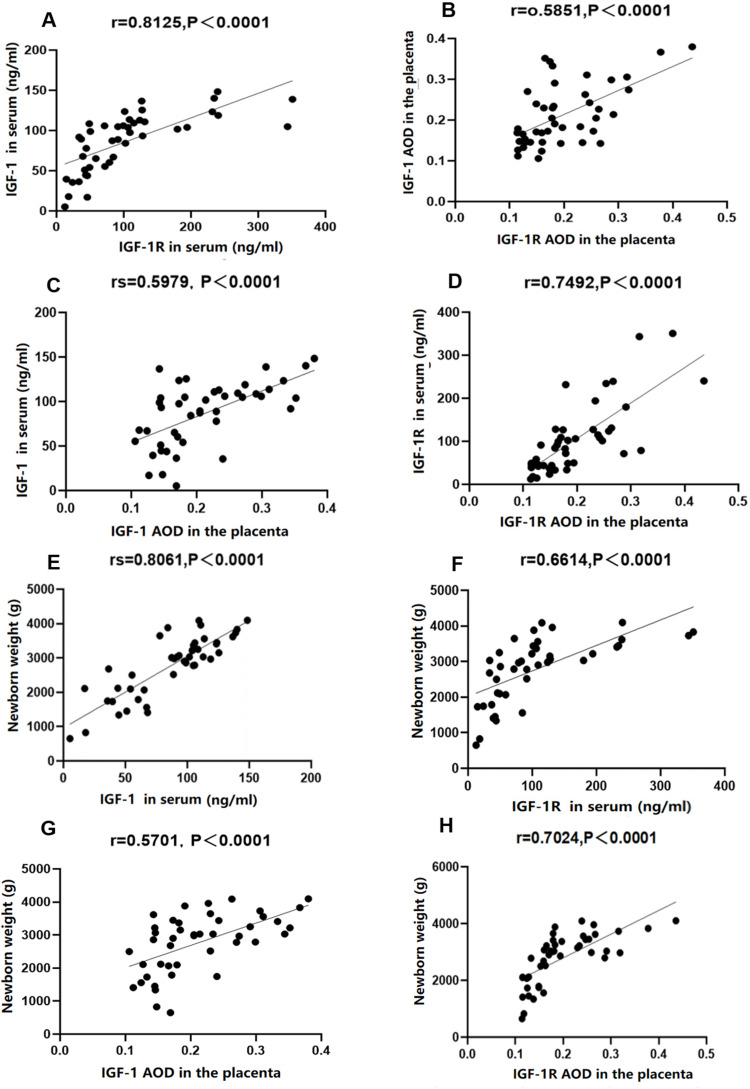
Results: The levels of IGF-1 and IGF-1R in the serum and average optical density (AOD) value of IGF-1 and IGF-1R in placental tissue of the observation group were significantly lower. In the group with PE, there was a reduction in the number of positive cells for IGF-1 and IGF-1R in placental tissue. Positive correlations were noted between IGF-1 and IGF-1R levels in both serum and placental tissue and neonatal birth weight. The ROC curve analysis revealed that serum IGF-1 exhibited an AUC of 0.944 for diagnosing PE, with a sensitivity of 86.00% and specificity of 100.00%. Serum IGF-1R showed an AUC of 0.820 for diagnosing PE, with a sensitivity of 77.00% and specificity of 77.00%.
Conclusion: The expression of IGF-1 and IGF-1R in the serum and placental tissues of preeclamptic pregnant women was significantly reduced. This reduction implies that IGF-1 and IGF-1R may potentially be used as biomarkers in the clinical prediction, diagnosis, and prognosis evaluation of PE.
期刊介绍:
International Journal of Women''s Health is an international, peer-reviewed, open access, online journal. Publishing original research, reports, editorials, reviews and commentaries on all aspects of women''s healthcare including gynecology, obstetrics, and breast cancer. Subject areas include: Chronic conditions including cancers of various organs specific and not specific to women Migraine, headaches, arthritis, osteoporosis Endocrine and autoimmune syndromes - asthma, multiple sclerosis, lupus, diabetes Sexual and reproductive health including fertility patterns and emerging technologies to address infertility Infectious disease with chronic sequelae including HIV/AIDS, HPV, PID, and other STDs Psychological and psychosocial conditions - depression across the life span, substance abuse, domestic violence Health maintenance among aging females - factors affecting the quality of life including physical, social and mental issues Avenues for health promotion and disease prevention across the life span Male vs female incidence comparisons for conditions that affect both genders.







 京公网安备 11010802042870号
京ICP备2023020795号-1
京公网安备 11010802042870号
京ICP备2023020795号-1

 分享
分享
 求助内容:
求助内容: 应助结果提醒方式:
 扫码关注我们
