Lotte Pummerer, Theofilos Gkinopoulos, Karen M Douglas, Daniel Jolley, Kai Sassenberg
{"title":"阴谋论的评价模型(AMCT):运用评价理论理解对阴谋论的情绪和行为反应。","authors":"Lotte Pummerer, Theofilos Gkinopoulos, Karen M Douglas, Daniel Jolley, Kai Sassenberg","doi":"10.1080/1047840X.2024.2442906","DOIUrl":null,"url":null,"abstract":"<p><p>Beliefs in conspiracy theories are related to a diverse set of emotional and behavioral consequences. At the same time, a theoretical model detailing when a conspiracy theory is more likely to elicit confrontation compared to withdrawal, indirect aggression or community-building is missing. We argue that appraisals provide the missing link between conspiracy beliefs and their consequences, proposing the Appraisal Model of Conspiracy Theories (AMCT). Based on appraisal theories of emotions, we outline how the focus on different features that vary between conspiracy theories and the situations in which they are embedded (i.e., focus on secrecy vs. gained knowledge; powerlessness vs. option of confrontation; harm to oneself vs. others) facilitate specific appraisals, resulting in different behavioral outcomes. We also outline how the AMCT helps to reconcile inconsistent research on conspiracy beliefs by providing better predictions about their emotional and behavioral consequences.</p>","PeriodicalId":48327,"journal":{"name":"Psychological Inquiry","volume":"35 3-4","pages":"159-178"},"PeriodicalIF":4.1000,"publicationDate":"2025-03-13","publicationTypes":"Journal Article","fieldsOfStudy":null,"isOpenAccess":false,"openAccessPdf":"https://www.ncbi.nlm.nih.gov/pmc/articles/PMC11912957/pdf/","citationCount":"0","resultStr":"{\"title\":\"The Appraisal Model of Conspiracy Theories (AMCT): Applying Appraisal Theories to Understand Emotional and Behavioral Reactions to Conspiracy Theories.\",\"authors\":\"Lotte Pummerer, Theofilos Gkinopoulos, Karen M Douglas, Daniel Jolley, Kai Sassenberg\",\"doi\":\"10.1080/1047840X.2024.2442906\",\"DOIUrl\":null,\"url\":null,\"abstract\":\"<p><p>Beliefs in conspiracy theories are related to a diverse set of emotional and behavioral consequences. At the same time, a theoretical model detailing when a conspiracy theory is more likely to elicit confrontation compared to withdrawal, indirect aggression or community-building is missing. We argue that appraisals provide the missing link between conspiracy beliefs and their consequences, proposing the Appraisal Model of Conspiracy Theories (AMCT). Based on appraisal theories of emotions, we outline how the focus on different features that vary between conspiracy theories and the situations in which they are embedded (i.e., focus on secrecy vs. gained knowledge; powerlessness vs. option of confrontation; harm to oneself vs. others) facilitate specific appraisals, resulting in different behavioral outcomes. We also outline how the AMCT helps to reconcile inconsistent research on conspiracy beliefs by providing better predictions about their emotional and behavioral consequences.</p>\",\"PeriodicalId\":48327,\"journal\":{\"name\":\"Psychological Inquiry\",\"volume\":\"35 3-4\",\"pages\":\"159-178\"},\"PeriodicalIF\":4.1000,\"publicationDate\":\"2025-03-13\",\"publicationTypes\":\"Journal Article\",\"fieldsOfStudy\":null,\"isOpenAccess\":false,\"openAccessPdf\":\"https://www.ncbi.nlm.nih.gov/pmc/articles/PMC11912957/pdf/\",\"citationCount\":\"0\",\"resultStr\":null,\"platform\":\"Semanticscholar\",\"paperid\":null,\"PeriodicalName\":\"Psychological Inquiry\",\"FirstCategoryId\":\"102\",\"ListUrlMain\":\"https://doi.org/10.1080/1047840X.2024.2442906\",\"RegionNum\":2,\"RegionCategory\":\"心理学\",\"ArticlePicture\":[],\"TitleCN\":null,\"AbstractTextCN\":null,\"PMCID\":null,\"EPubDate\":\"2024/1/1 0:00:00\",\"PubModel\":\"eCollection\",\"JCR\":\"Q1\",\"JCRName\":\"PSYCHOLOGY, MULTIDISCIPLINARY\",\"Score\":null,\"Total\":0}","platform":"Semanticscholar","paperid":null,"PeriodicalName":"Psychological Inquiry","FirstCategoryId":"102","ListUrlMain":"https://doi.org/10.1080/1047840X.2024.2442906","RegionNum":2,"RegionCategory":"心理学","ArticlePicture":[],"TitleCN":null,"AbstractTextCN":null,"PMCID":null,"EPubDate":"2024/1/1 0:00:00","PubModel":"eCollection","JCR":"Q1","JCRName":"PSYCHOLOGY, MULTIDISCIPLINARY","Score":null,"Total":0}
The Appraisal Model of Conspiracy Theories (AMCT): Applying Appraisal Theories to Understand Emotional and Behavioral Reactions to Conspiracy Theories.
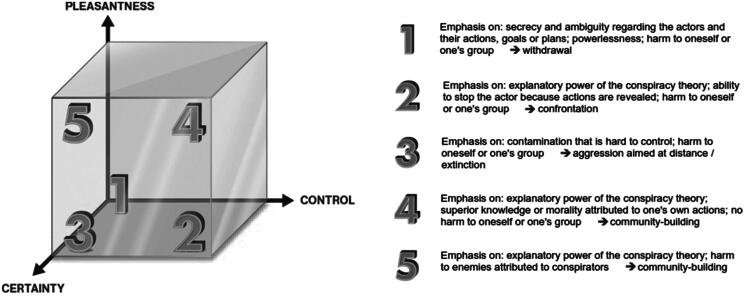
Beliefs in conspiracy theories are related to a diverse set of emotional and behavioral consequences. At the same time, a theoretical model detailing when a conspiracy theory is more likely to elicit confrontation compared to withdrawal, indirect aggression or community-building is missing. We argue that appraisals provide the missing link between conspiracy beliefs and their consequences, proposing the Appraisal Model of Conspiracy Theories (AMCT). Based on appraisal theories of emotions, we outline how the focus on different features that vary between conspiracy theories and the situations in which they are embedded (i.e., focus on secrecy vs. gained knowledge; powerlessness vs. option of confrontation; harm to oneself vs. others) facilitate specific appraisals, resulting in different behavioral outcomes. We also outline how the AMCT helps to reconcile inconsistent research on conspiracy beliefs by providing better predictions about their emotional and behavioral consequences.
期刊介绍:
Psychological Inquiry serves as an international journal dedicated to the advancement of psychological theory. Each edition features an extensive target article exploring a controversial or provocative topic, accompanied by peer commentaries and a response from the target author(s). Proposals for target articles must be submitted using the Target Article Proposal Form, and only approved proposals undergo peer review by at least three reviewers. Authors are invited to submit their full articles after the proposal has received approval from the Editor.




 京公网安备 11010802042870号
京ICP备2023020795号-1
京公网安备 11010802042870号
京ICP备2023020795号-1

 分享
分享
 求助内容:
求助内容: 应助结果提醒方式:
 扫码关注我们
