Dilshod Mamadaliev, Gayrat Kariev, Ulugbek Asadullaev, Jakhongir Yakubov, D N Khodjimetov, Bipin Chaurasia
{"title":"脑岛胶质瘤术后短暂性嗅觉幻觉1例。","authors":"Dilshod Mamadaliev, Gayrat Kariev, Ulugbek Asadullaev, Jakhongir Yakubov, D N Khodjimetov, Bipin Chaurasia","doi":"10.1097/MS9.0000000000002849","DOIUrl":null,"url":null,"abstract":"<p><strong>Introduction and importance: </strong>There are various types of hallucinations reported in the literature (auditory, visual, tactile, gustatory, or olfactory), and most of them are related to psychiatric (schizophrenia) disorders. Olfactory hallucinations related to neurosurgical disorders are uncommon. The authors present a case of a patient with a left insular glioma who developed transient olfactory hallucinations after microsurgical resection of the tumor. Our Objective is to share a rare case of postoperative complication-olfactory hallucination following insular glioma surgery-which can potentially raise awareness among practicing neurosurgeons.</p><p><strong>Case presentation: </strong>A 32-year-old male patient underwent left insular glioma resection at our institution in 2024. He developed transient olfactory hallucinations after microsurgical resection of the tumor, which resolved within a month postoperatively.</p><p><strong>Clinical discussion: </strong>Insular gliomas often grow to a considerable size before becoming symptomatic in many patients. The insular region is regarded as one of the brain's most sophisticated areas, with lesions manifesting in a wide range of symptoms and syndromes including olfactory hallucinations.</p><p><strong>Conclusion: </strong>Olfactory hallucinations following left insular glioma resection can potentially raise awareness among practicing neurosurgeons regarding this rare postoperative complication. These types of postoperative complications may resolve in a short period if no serious vascular injury has been encountered.</p>","PeriodicalId":8025,"journal":{"name":"Annals of Medicine and Surgery","volume":"87 1","pages":"387-392"},"PeriodicalIF":1.6000,"publicationDate":"2025-01-09","publicationTypes":"Journal Article","fieldsOfStudy":null,"isOpenAccess":false,"openAccessPdf":"https://www.ncbi.nlm.nih.gov/pmc/articles/PMC11918605/pdf/","citationCount":"0","resultStr":"{\"title\":\"Transient olfactory hallucinations after insular glioma surgery: a case report.\",\"authors\":\"Dilshod Mamadaliev, Gayrat Kariev, Ulugbek Asadullaev, Jakhongir Yakubov, D N Khodjimetov, Bipin Chaurasia\",\"doi\":\"10.1097/MS9.0000000000002849\",\"DOIUrl\":null,\"url\":null,\"abstract\":\"<p><strong>Introduction and importance: </strong>There are various types of hallucinations reported in the literature (auditory, visual, tactile, gustatory, or olfactory), and most of them are related to psychiatric (schizophrenia) disorders. Olfactory hallucinations related to neurosurgical disorders are uncommon. The authors present a case of a patient with a left insular glioma who developed transient olfactory hallucinations after microsurgical resection of the tumor. Our Objective is to share a rare case of postoperative complication-olfactory hallucination following insular glioma surgery-which can potentially raise awareness among practicing neurosurgeons.</p><p><strong>Case presentation: </strong>A 32-year-old male patient underwent left insular glioma resection at our institution in 2024. He developed transient olfactory hallucinations after microsurgical resection of the tumor, which resolved within a month postoperatively.</p><p><strong>Clinical discussion: </strong>Insular gliomas often grow to a considerable size before becoming symptomatic in many patients. The insular region is regarded as one of the brain's most sophisticated areas, with lesions manifesting in a wide range of symptoms and syndromes including olfactory hallucinations.</p><p><strong>Conclusion: </strong>Olfactory hallucinations following left insular glioma resection can potentially raise awareness among practicing neurosurgeons regarding this rare postoperative complication. These types of postoperative complications may resolve in a short period if no serious vascular injury has been encountered.</p>\",\"PeriodicalId\":8025,\"journal\":{\"name\":\"Annals of Medicine and Surgery\",\"volume\":\"87 1\",\"pages\":\"387-392\"},\"PeriodicalIF\":1.6000,\"publicationDate\":\"2025-01-09\",\"publicationTypes\":\"Journal Article\",\"fieldsOfStudy\":null,\"isOpenAccess\":false,\"openAccessPdf\":\"https://www.ncbi.nlm.nih.gov/pmc/articles/PMC11918605/pdf/\",\"citationCount\":\"0\",\"resultStr\":null,\"platform\":\"Semanticscholar\",\"paperid\":null,\"PeriodicalName\":\"Annals of Medicine and Surgery\",\"FirstCategoryId\":\"1085\",\"ListUrlMain\":\"https://doi.org/10.1097/MS9.0000000000002849\",\"RegionNum\":0,\"RegionCategory\":null,\"ArticlePicture\":[],\"TitleCN\":null,\"AbstractTextCN\":null,\"PMCID\":null,\"EPubDate\":\"2025/1/1 0:00:00\",\"PubModel\":\"eCollection\",\"JCR\":\"Q2\",\"JCRName\":\"MEDICINE, GENERAL & INTERNAL\",\"Score\":null,\"Total\":0}","platform":"Semanticscholar","paperid":null,"PeriodicalName":"Annals of Medicine and Surgery","FirstCategoryId":"1085","ListUrlMain":"https://doi.org/10.1097/MS9.0000000000002849","RegionNum":0,"RegionCategory":null,"ArticlePicture":[],"TitleCN":null,"AbstractTextCN":null,"PMCID":null,"EPubDate":"2025/1/1 0:00:00","PubModel":"eCollection","JCR":"Q2","JCRName":"MEDICINE, GENERAL & INTERNAL","Score":null,"Total":0}
Transient olfactory hallucinations after insular glioma surgery: a case report.
Introduction and importance: There are various types of hallucinations reported in the literature (auditory, visual, tactile, gustatory, or olfactory), and most of them are related to psychiatric (schizophrenia) disorders. Olfactory hallucinations related to neurosurgical disorders are uncommon. The authors present a case of a patient with a left insular glioma who developed transient olfactory hallucinations after microsurgical resection of the tumor. Our Objective is to share a rare case of postoperative complication-olfactory hallucination following insular glioma surgery-which can potentially raise awareness among practicing neurosurgeons.
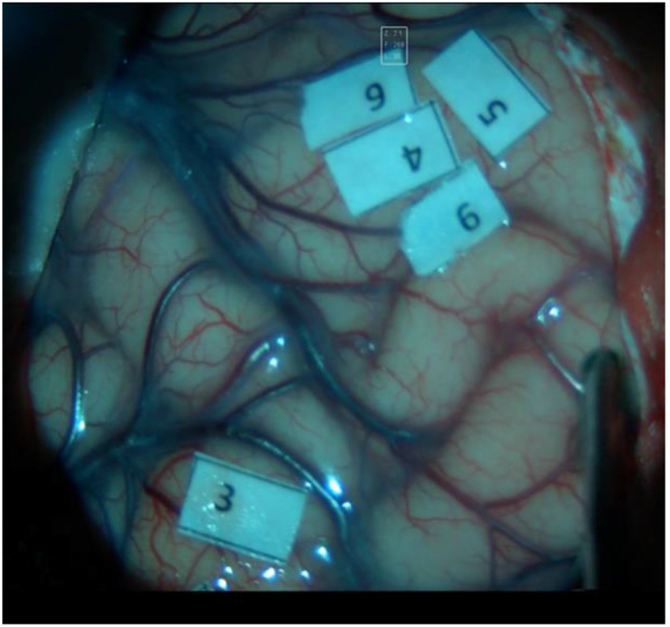
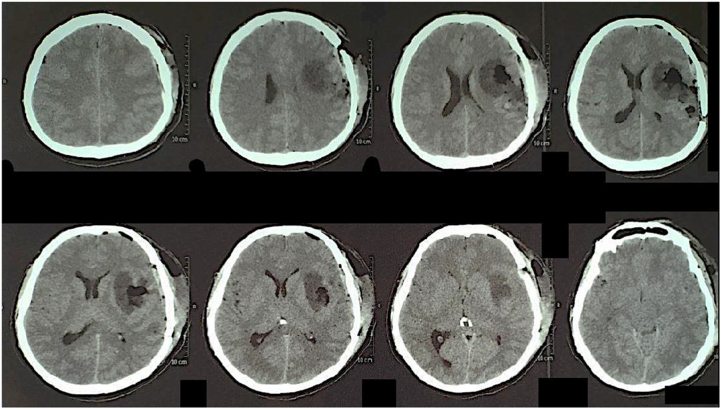
Case presentation: A 32-year-old male patient underwent left insular glioma resection at our institution in 2024. He developed transient olfactory hallucinations after microsurgical resection of the tumor, which resolved within a month postoperatively.
Clinical discussion: Insular gliomas often grow to a considerable size before becoming symptomatic in many patients. The insular region is regarded as one of the brain's most sophisticated areas, with lesions manifesting in a wide range of symptoms and syndromes including olfactory hallucinations.
Conclusion: Olfactory hallucinations following left insular glioma resection can potentially raise awareness among practicing neurosurgeons regarding this rare postoperative complication. These types of postoperative complications may resolve in a short period if no serious vascular injury has been encountered.





 京公网安备 11010802042870号
京ICP备2023020795号-1
京公网安备 11010802042870号
京ICP备2023020795号-1

 分享
分享
 求助内容:
求助内容: 应助结果提醒方式:
 扫码关注我们
