Khalid Aldhorae, Ramy Ishaq, Salah Alhaidary, Ashraf Mohammed Alhumaidi, Mohammed M Al Moaleem, Ghamdan Al Harazi, Naela Al-Mogahed, Hani Homaid, Sadam Ahmed Elayah
{"title":"第三磨牙与下颚门牙拥挤在萨那市也门人群中的关联:锥束计算机断层扫描。","authors":"Khalid Aldhorae, Ramy Ishaq, Salah Alhaidary, Ashraf Mohammed Alhumaidi, Mohammed M Al Moaleem, Ghamdan Al Harazi, Naela Al-Mogahed, Hani Homaid, Sadam Ahmed Elayah","doi":"10.1186/s12903-025-05733-9","DOIUrl":null,"url":null,"abstract":"<p><strong>Background: </strong>Multiple factors contribute to mandibular incisor crowding. However, the role of wisdom teeth in these irregularities remains a controversial issue among clinicians. Therefore, this study aimed to determine the potential association between mandibular incisor crowding and the presence or absence of lower wisdom teeth using CBCT image analysis.</p><p><strong>Materials and methods: </strong>A total of 64 CBCT images of adult patients were recruited. These CBCT images were classified into two groups according to the presence or absence of the lower wisdom teeth on the panoramic view. After the classification, the severity of crowding was calculated by utilizing Little's irregularity index. Points such as A point, Nasion, and B point (Supramentale) were identified on the software program. The significance level was set at P < 0.05.</p><p><strong>Results: </strong>There was no statistically significant correlation (P = 0.780) in the crowding of the mandibular incisor among the groups with the presence or absence of the lower wisdom teeth. Group 1 (with wisdom teeth) was 5.85 ± 4.05 mm, classified as a moderate irregularity; similarly, group 2 (without wisdom teeth) showed moderate irregularity with a mean value of 5.32 ± 3.12 mm. There was an incisor crowding with a severe irregularity in 18 patients (28.1%), a minimal irregularity in 15 patients (23.4%), a moderate irregularity in 14 patients (21.9%), a very severe irregularity in 10 patients (15.6%), and a perfect alignment in 7 patients (10.9%).</p><p><strong>Conclusions: </strong>The presence and absence of lower wisdom teeth do not influence the mandibular incisor crowding.</p>","PeriodicalId":9072,"journal":{"name":"BMC Oral Health","volume":"25 1","pages":"410"},"PeriodicalIF":3.1000,"publicationDate":"2025-03-20","publicationTypes":"Journal Article","fieldsOfStudy":null,"isOpenAccess":false,"openAccessPdf":"https://www.ncbi.nlm.nih.gov/pmc/articles/PMC11924849/pdf/","citationCount":"0","resultStr":"{\"title\":\"The association of third molars with mandibular incisor crowding in a group of the Yemeni population in Sana'a city: cone-beam computed tomography.\",\"authors\":\"Khalid Aldhorae, Ramy Ishaq, Salah Alhaidary, Ashraf Mohammed Alhumaidi, Mohammed M Al Moaleem, Ghamdan Al Harazi, Naela Al-Mogahed, Hani Homaid, Sadam Ahmed Elayah\",\"doi\":\"10.1186/s12903-025-05733-9\",\"DOIUrl\":null,\"url\":null,\"abstract\":\"<p><strong>Background: </strong>Multiple factors contribute to mandibular incisor crowding. However, the role of wisdom teeth in these irregularities remains a controversial issue among clinicians. Therefore, this study aimed to determine the potential association between mandibular incisor crowding and the presence or absence of lower wisdom teeth using CBCT image analysis.</p><p><strong>Materials and methods: </strong>A total of 64 CBCT images of adult patients were recruited. These CBCT images were classified into two groups according to the presence or absence of the lower wisdom teeth on the panoramic view. After the classification, the severity of crowding was calculated by utilizing Little's irregularity index. Points such as A point, Nasion, and B point (Supramentale) were identified on the software program. The significance level was set at P < 0.05.</p><p><strong>Results: </strong>There was no statistically significant correlation (P = 0.780) in the crowding of the mandibular incisor among the groups with the presence or absence of the lower wisdom teeth. Group 1 (with wisdom teeth) was 5.85 ± 4.05 mm, classified as a moderate irregularity; similarly, group 2 (without wisdom teeth) showed moderate irregularity with a mean value of 5.32 ± 3.12 mm. There was an incisor crowding with a severe irregularity in 18 patients (28.1%), a minimal irregularity in 15 patients (23.4%), a moderate irregularity in 14 patients (21.9%), a very severe irregularity in 10 patients (15.6%), and a perfect alignment in 7 patients (10.9%).</p><p><strong>Conclusions: </strong>The presence and absence of lower wisdom teeth do not influence the mandibular incisor crowding.</p>\",\"PeriodicalId\":9072,\"journal\":{\"name\":\"BMC Oral Health\",\"volume\":\"25 1\",\"pages\":\"410\"},\"PeriodicalIF\":3.1000,\"publicationDate\":\"2025-03-20\",\"publicationTypes\":\"Journal Article\",\"fieldsOfStudy\":null,\"isOpenAccess\":false,\"openAccessPdf\":\"https://www.ncbi.nlm.nih.gov/pmc/articles/PMC11924849/pdf/\",\"citationCount\":\"0\",\"resultStr\":null,\"platform\":\"Semanticscholar\",\"paperid\":null,\"PeriodicalName\":\"BMC Oral Health\",\"FirstCategoryId\":\"3\",\"ListUrlMain\":\"https://doi.org/10.1186/s12903-025-05733-9\",\"RegionNum\":2,\"RegionCategory\":\"医学\",\"ArticlePicture\":[],\"TitleCN\":null,\"AbstractTextCN\":null,\"PMCID\":null,\"EPubDate\":\"\",\"PubModel\":\"\",\"JCR\":\"Q1\",\"JCRName\":\"DENTISTRY, ORAL SURGERY & MEDICINE\",\"Score\":null,\"Total\":0}","platform":"Semanticscholar","paperid":null,"PeriodicalName":"BMC Oral Health","FirstCategoryId":"3","ListUrlMain":"https://doi.org/10.1186/s12903-025-05733-9","RegionNum":2,"RegionCategory":"医学","ArticlePicture":[],"TitleCN":null,"AbstractTextCN":null,"PMCID":null,"EPubDate":"","PubModel":"","JCR":"Q1","JCRName":"DENTISTRY, ORAL SURGERY & MEDICINE","Score":null,"Total":0}
The association of third molars with mandibular incisor crowding in a group of the Yemeni population in Sana'a city: cone-beam computed tomography.
Background: Multiple factors contribute to mandibular incisor crowding. However, the role of wisdom teeth in these irregularities remains a controversial issue among clinicians. Therefore, this study aimed to determine the potential association between mandibular incisor crowding and the presence or absence of lower wisdom teeth using CBCT image analysis.
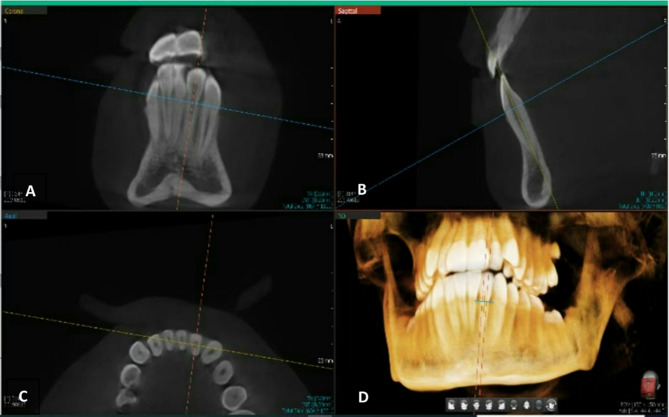
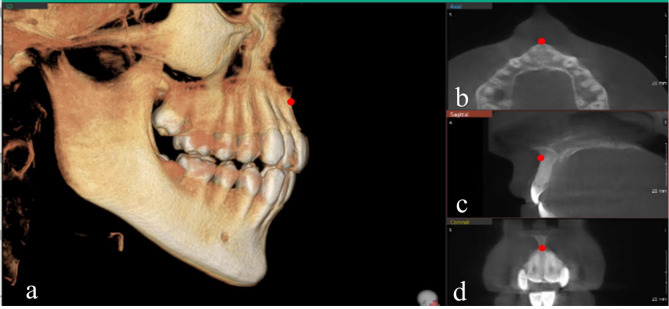
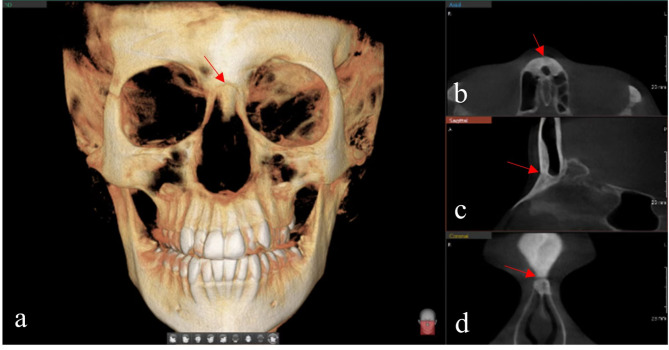
Materials and methods: A total of 64 CBCT images of adult patients were recruited. These CBCT images were classified into two groups according to the presence or absence of the lower wisdom teeth on the panoramic view. After the classification, the severity of crowding was calculated by utilizing Little's irregularity index. Points such as A point, Nasion, and B point (Supramentale) were identified on the software program. The significance level was set at P < 0.05.
Results: There was no statistically significant correlation (P = 0.780) in the crowding of the mandibular incisor among the groups with the presence or absence of the lower wisdom teeth. Group 1 (with wisdom teeth) was 5.85 ± 4.05 mm, classified as a moderate irregularity; similarly, group 2 (without wisdom teeth) showed moderate irregularity with a mean value of 5.32 ± 3.12 mm. There was an incisor crowding with a severe irregularity in 18 patients (28.1%), a minimal irregularity in 15 patients (23.4%), a moderate irregularity in 14 patients (21.9%), a very severe irregularity in 10 patients (15.6%), and a perfect alignment in 7 patients (10.9%).
Conclusions: The presence and absence of lower wisdom teeth do not influence the mandibular incisor crowding.
期刊介绍:
BMC Oral Health is an open access, peer-reviewed journal that considers articles on all aspects of the prevention, diagnosis and management of disorders of the mouth, teeth and gums, as well as related molecular genetics, pathophysiology, and epidemiology.




 京公网安备 11010802042870号
京ICP备2023020795号-1
京公网安备 11010802042870号
京ICP备2023020795号-1

 分享
分享
 求助内容:
求助内容: 应助结果提醒方式:
 扫码关注我们
