Alan Coffey, Iris Parés-Salomón, Judit Bort-Roig, Karin I Proper, Deirdre Walsh, Päivi Reckman, Cristina Vaqué-Crusellas, Anna M Señé-Mir, Anna Puig-Ribera, Kieran P Dowd
{"title":"打破椅子上的枷锁:从管理者的角度看如何在家庭办公环境中减少员工的久坐时间。","authors":"Alan Coffey, Iris Parés-Salomón, Judit Bort-Roig, Karin I Proper, Deirdre Walsh, Päivi Reckman, Cristina Vaqué-Crusellas, Anna M Señé-Mir, Anna Puig-Ribera, Kieran P Dowd","doi":"10.1186/s12889-025-22184-7","DOIUrl":null,"url":null,"abstract":"<p><strong>Background: </strong>Office workers have the highest estimated daily sedentary time (ST). The Covid-19 pandemic resulted in a switch from office-based work to home-office work or a hybrid of both. Home-office work has been shown to increase ST compared to the office, which may have deleterious health consequences.</p><p><strong>Objective: </strong>This study explored managers perspectives on the factors influencing their employee's ability to reduce ST in a home-office context.</p><p><strong>Design: </strong>A descriptive qualitative study.</p><p><strong>Methods: </strong>Semi-structured interviews (n = 20), which were mapped to the COM-B model, were conducted with managers from Ireland, Spain and The Netherlands. Interviews were conducted through Zoom, recorded and transcribed verbatim. A reflexive thematic analysis approach was used.</p><p><strong>Results: </strong>Organisational support, management engaging in physical activity (PA) during work and a social element were seen as key to increasing engagement in interventions. Creating opportunities for employees to engage in PA during work was seen as another key element. Leveraging infrastructure put in place during the Covid-19 pandemic was identified as a feasible approach to providing education and encouragement to employees. Lastly, managers feared the impact reducing ST may have on the performance of both employees and the organisation, yet, managers felt an increase in employee well-being would benefit their company long-term.</p><p><strong>Conclusion: </strong>These results highlight the need to include organisational support and leadership from management, ensuring a top-down approach. These changes may create opportunities for employees to reduce their ST while working from home, which may benefit both the employees' and organisations.</p>","PeriodicalId":9039,"journal":{"name":"BMC Public Health","volume":"25 1","pages":"1079"},"PeriodicalIF":3.6000,"publicationDate":"2025-03-20","publicationTypes":"Journal Article","fieldsOfStudy":null,"isOpenAccess":false,"openAccessPdf":"https://www.ncbi.nlm.nih.gov/pmc/articles/PMC11927166/pdf/","citationCount":"0","resultStr":"{\"title\":\"Breaking the chain from the chair: a manager's perspective on reducing employees sedentary time in a home-office context.\",\"authors\":\"Alan Coffey, Iris Parés-Salomón, Judit Bort-Roig, Karin I Proper, Deirdre Walsh, Päivi Reckman, Cristina Vaqué-Crusellas, Anna M Señé-Mir, Anna Puig-Ribera, Kieran P Dowd\",\"doi\":\"10.1186/s12889-025-22184-7\",\"DOIUrl\":null,\"url\":null,\"abstract\":\"<p><strong>Background: </strong>Office workers have the highest estimated daily sedentary time (ST). The Covid-19 pandemic resulted in a switch from office-based work to home-office work or a hybrid of both. Home-office work has been shown to increase ST compared to the office, which may have deleterious health consequences.</p><p><strong>Objective: </strong>This study explored managers perspectives on the factors influencing their employee's ability to reduce ST in a home-office context.</p><p><strong>Design: </strong>A descriptive qualitative study.</p><p><strong>Methods: </strong>Semi-structured interviews (n = 20), which were mapped to the COM-B model, were conducted with managers from Ireland, Spain and The Netherlands. Interviews were conducted through Zoom, recorded and transcribed verbatim. A reflexive thematic analysis approach was used.</p><p><strong>Results: </strong>Organisational support, management engaging in physical activity (PA) during work and a social element were seen as key to increasing engagement in interventions. Creating opportunities for employees to engage in PA during work was seen as another key element. Leveraging infrastructure put in place during the Covid-19 pandemic was identified as a feasible approach to providing education and encouragement to employees. Lastly, managers feared the impact reducing ST may have on the performance of both employees and the organisation, yet, managers felt an increase in employee well-being would benefit their company long-term.</p><p><strong>Conclusion: </strong>These results highlight the need to include organisational support and leadership from management, ensuring a top-down approach. These changes may create opportunities for employees to reduce their ST while working from home, which may benefit both the employees' and organisations.</p>\",\"PeriodicalId\":9039,\"journal\":{\"name\":\"BMC Public Health\",\"volume\":\"25 1\",\"pages\":\"1079\"},\"PeriodicalIF\":3.6000,\"publicationDate\":\"2025-03-20\",\"publicationTypes\":\"Journal Article\",\"fieldsOfStudy\":null,\"isOpenAccess\":false,\"openAccessPdf\":\"https://www.ncbi.nlm.nih.gov/pmc/articles/PMC11927166/pdf/\",\"citationCount\":\"0\",\"resultStr\":null,\"platform\":\"Semanticscholar\",\"paperid\":null,\"PeriodicalName\":\"BMC Public Health\",\"FirstCategoryId\":\"3\",\"ListUrlMain\":\"https://doi.org/10.1186/s12889-025-22184-7\",\"RegionNum\":2,\"RegionCategory\":\"医学\",\"ArticlePicture\":[],\"TitleCN\":null,\"AbstractTextCN\":null,\"PMCID\":null,\"EPubDate\":\"\",\"PubModel\":\"\",\"JCR\":\"Q1\",\"JCRName\":\"PUBLIC, ENVIRONMENTAL & OCCUPATIONAL HEALTH\",\"Score\":null,\"Total\":0}","platform":"Semanticscholar","paperid":null,"PeriodicalName":"BMC Public Health","FirstCategoryId":"3","ListUrlMain":"https://doi.org/10.1186/s12889-025-22184-7","RegionNum":2,"RegionCategory":"医学","ArticlePicture":[],"TitleCN":null,"AbstractTextCN":null,"PMCID":null,"EPubDate":"","PubModel":"","JCR":"Q1","JCRName":"PUBLIC, ENVIRONMENTAL & OCCUPATIONAL HEALTH","Score":null,"Total":0}
Breaking the chain from the chair: a manager's perspective on reducing employees sedentary time in a home-office context.
Background: Office workers have the highest estimated daily sedentary time (ST). The Covid-19 pandemic resulted in a switch from office-based work to home-office work or a hybrid of both. Home-office work has been shown to increase ST compared to the office, which may have deleterious health consequences.
Objective: This study explored managers perspectives on the factors influencing their employee's ability to reduce ST in a home-office context.
Design: A descriptive qualitative study.
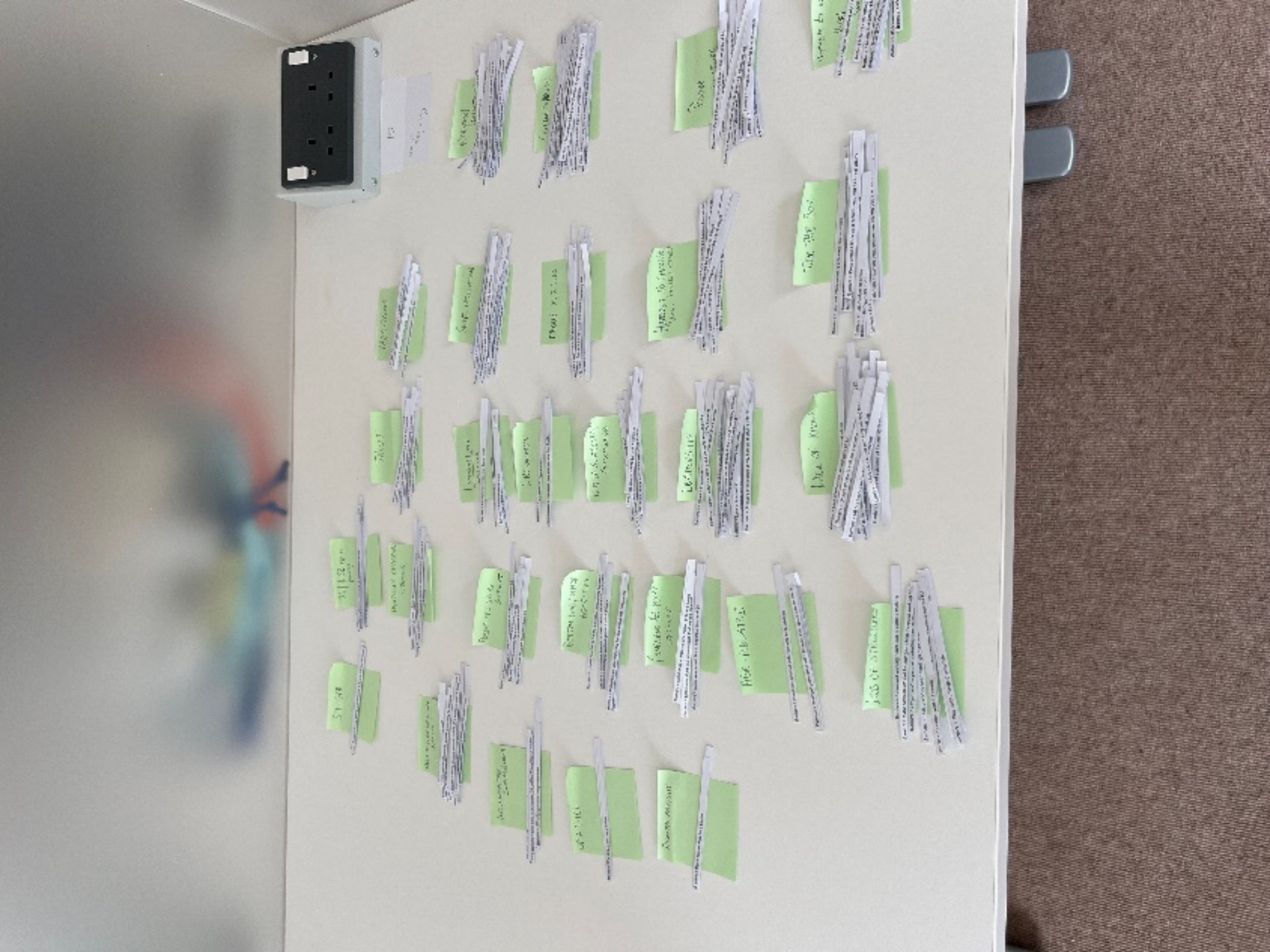
Methods: Semi-structured interviews (n = 20), which were mapped to the COM-B model, were conducted with managers from Ireland, Spain and The Netherlands. Interviews were conducted through Zoom, recorded and transcribed verbatim. A reflexive thematic analysis approach was used.
Results: Organisational support, management engaging in physical activity (PA) during work and a social element were seen as key to increasing engagement in interventions. Creating opportunities for employees to engage in PA during work was seen as another key element. Leveraging infrastructure put in place during the Covid-19 pandemic was identified as a feasible approach to providing education and encouragement to employees. Lastly, managers feared the impact reducing ST may have on the performance of both employees and the organisation, yet, managers felt an increase in employee well-being would benefit their company long-term.
Conclusion: These results highlight the need to include organisational support and leadership from management, ensuring a top-down approach. These changes may create opportunities for employees to reduce their ST while working from home, which may benefit both the employees' and organisations.
期刊介绍:
BMC Public Health is an open access, peer-reviewed journal that considers articles on the epidemiology of disease and the understanding of all aspects of public health. The journal has a special focus on the social determinants of health, the environmental, behavioral, and occupational correlates of health and disease, and the impact of health policies, practices and interventions on the community.





 京公网安备 11010802042870号
京ICP备2023020795号-1
京公网安备 11010802042870号
京ICP备2023020795号-1

 分享
分享
 求助内容:
求助内容: 应助结果提醒方式:
 扫码关注我们
