Thirumurubaghu Narayanan, Raguraman Damotharan, Balu Pandian, Raja Elumalai
{"title":"利用乙醇提高废鸡脂肪生物柴油的产量,改善了发动机性能。","authors":"Thirumurubaghu Narayanan, Raguraman Damotharan, Balu Pandian, Raja Elumalai","doi":"10.1007/s11356-025-36261-2","DOIUrl":null,"url":null,"abstract":"<div><p>The study uses co-solvent-based transesterification to turn chicken dung into biodiesel. Dry rendering was used to create chicken waste from lost fleshing and processing wastes, with a maximum fat percentage estimated to be 10% overall. The rendered chicken dung was then converted to biodiesel by employing potassium hydroxide as a base catalyst, methanol as the primary solvent, and ethanol as a co-solvent. Reaction parameters that were separately adjusted for methanol- and ethanol-based transesterification were used to identify the ideal range for the parameters. Along with production optimization, the biodiesel/waste chicken methyl ethyl ester (WCMEE) produced was assessed for its thermal and physicochemical qualities in compliance with ASTM D6751 requirements. The intriguing discovery that WCMEE are more fuel-efficient than fatty methyl esters is due to the presence of ethyl esters. According to the results, adding 10% chicken fat biodiesel did not appreciably alter engine torque, but because biodiesel has a lower heating value, specific fuel consumption rose by 6.3%. The peak pressure inside the cylinder increased significantly, and combustion began sooner. While NOx emissions rose by 10%, CO and HC emissions fell by 15% and 10%, respectively.</p></div>","PeriodicalId":545,"journal":{"name":"Environmental Science and Pollution Research","volume":"32 60","pages":"31718 - 31724"},"PeriodicalIF":5.8000,"publicationDate":"2025-03-21","publicationTypes":"Journal Article","fieldsOfStudy":null,"isOpenAccess":false,"openAccessPdf":"","citationCount":"0","resultStr":"{\"title\":\"Enhancing the production of waste chicken fat biodiesel with ethanol improved engine properties\",\"authors\":\"Thirumurubaghu Narayanan, Raguraman Damotharan, Balu Pandian, Raja Elumalai\",\"doi\":\"10.1007/s11356-025-36261-2\",\"DOIUrl\":null,\"url\":null,\"abstract\":\"<div><p>The study uses co-solvent-based transesterification to turn chicken dung into biodiesel. Dry rendering was used to create chicken waste from lost fleshing and processing wastes, with a maximum fat percentage estimated to be 10% overall. The rendered chicken dung was then converted to biodiesel by employing potassium hydroxide as a base catalyst, methanol as the primary solvent, and ethanol as a co-solvent. Reaction parameters that were separately adjusted for methanol- and ethanol-based transesterification were used to identify the ideal range for the parameters. Along with production optimization, the biodiesel/waste chicken methyl ethyl ester (WCMEE) produced was assessed for its thermal and physicochemical qualities in compliance with ASTM D6751 requirements. The intriguing discovery that WCMEE are more fuel-efficient than fatty methyl esters is due to the presence of ethyl esters. According to the results, adding 10% chicken fat biodiesel did not appreciably alter engine torque, but because biodiesel has a lower heating value, specific fuel consumption rose by 6.3%. The peak pressure inside the cylinder increased significantly, and combustion began sooner. While NOx emissions rose by 10%, CO and HC emissions fell by 15% and 10%, respectively.</p></div>\",\"PeriodicalId\":545,\"journal\":{\"name\":\"Environmental Science and Pollution Research\",\"volume\":\"32 60\",\"pages\":\"31718 - 31724\"},\"PeriodicalIF\":5.8000,\"publicationDate\":\"2025-03-21\",\"publicationTypes\":\"Journal Article\",\"fieldsOfStudy\":null,\"isOpenAccess\":false,\"openAccessPdf\":\"\",\"citationCount\":\"0\",\"resultStr\":null,\"platform\":\"Semanticscholar\",\"paperid\":null,\"PeriodicalName\":\"Environmental Science and Pollution Research\",\"FirstCategoryId\":\"93\",\"ListUrlMain\":\"https://link.springer.com/article/10.1007/s11356-025-36261-2\",\"RegionNum\":3,\"RegionCategory\":\"环境科学与生态学\",\"ArticlePicture\":[],\"TitleCN\":null,\"AbstractTextCN\":null,\"PMCID\":null,\"EPubDate\":\"\",\"PubModel\":\"\",\"JCR\":\"0\",\"JCRName\":\"ENVIRONMENTAL SCIENCES\",\"Score\":null,\"Total\":0}","platform":"Semanticscholar","paperid":null,"PeriodicalName":"Environmental Science and Pollution Research","FirstCategoryId":"93","ListUrlMain":"https://link.springer.com/article/10.1007/s11356-025-36261-2","RegionNum":3,"RegionCategory":"环境科学与生态学","ArticlePicture":[],"TitleCN":null,"AbstractTextCN":null,"PMCID":null,"EPubDate":"","PubModel":"","JCR":"0","JCRName":"ENVIRONMENTAL SCIENCES","Score":null,"Total":0}
Enhancing the production of waste chicken fat biodiesel with ethanol improved engine properties
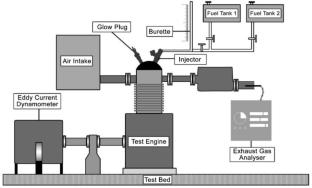
The study uses co-solvent-based transesterification to turn chicken dung into biodiesel. Dry rendering was used to create chicken waste from lost fleshing and processing wastes, with a maximum fat percentage estimated to be 10% overall. The rendered chicken dung was then converted to biodiesel by employing potassium hydroxide as a base catalyst, methanol as the primary solvent, and ethanol as a co-solvent. Reaction parameters that were separately adjusted for methanol- and ethanol-based transesterification were used to identify the ideal range for the parameters. Along with production optimization, the biodiesel/waste chicken methyl ethyl ester (WCMEE) produced was assessed for its thermal and physicochemical qualities in compliance with ASTM D6751 requirements. The intriguing discovery that WCMEE are more fuel-efficient than fatty methyl esters is due to the presence of ethyl esters. According to the results, adding 10% chicken fat biodiesel did not appreciably alter engine torque, but because biodiesel has a lower heating value, specific fuel consumption rose by 6.3%. The peak pressure inside the cylinder increased significantly, and combustion began sooner. While NOx emissions rose by 10%, CO and HC emissions fell by 15% and 10%, respectively.
期刊介绍:
Environmental Science and Pollution Research (ESPR) serves the international community in all areas of Environmental Science and related subjects with emphasis on chemical compounds. This includes:
- Terrestrial Biology and Ecology
- Aquatic Biology and Ecology
- Atmospheric Chemistry
- Environmental Microbiology/Biobased Energy Sources
- Phytoremediation and Ecosystem Restoration
- Environmental Analyses and Monitoring
- Assessment of Risks and Interactions of Pollutants in the Environment
- Conservation Biology and Sustainable Agriculture
- Impact of Chemicals/Pollutants on Human and Animal Health
It reports from a broad interdisciplinary outlook.




 京公网安备 11010802042870号
京ICP备2023020795号-1
京公网安备 11010802042870号
京ICP备2023020795号-1

 分享
分享
 求助内容:
求助内容: 应助结果提醒方式:
 扫码关注我们
