Christonikos Leventelis, Aristidis S Veskoukis, Andrea Paola Rojas Gil, Panagiotis Papadopoulos, Maria Garderi, Asimina Angeli, Antzouletta Kampitsi, Maria Tsironi
{"title":"美沙酮和丁丙诺啡作为成瘾治疗药物对炎症和渴望的不同影响取决于它们的剂量。","authors":"Christonikos Leventelis, Aristidis S Veskoukis, Andrea Paola Rojas Gil, Panagiotis Papadopoulos, Maria Garderi, Asimina Angeli, Antzouletta Kampitsi, Maria Tsironi","doi":"10.3390/pharmacy13020040","DOIUrl":null,"url":null,"abstract":"<p><p>Buprenorphine and methadone are widely used as medication for addiction treatment (MAT) in patients with opioid use disorders. However, there is no compelling evidence of their impact on the immune-endocrine response. Therefore, the aim of this study was to examine the effects of the aforementioned medications on craving and on biomarkers of inflammation and cortisol, approaching the dose issue concurrently. Sixty-six patients (thirty-four under methadone and thirty-two under buprenorphine) who had just entered a MAT program and were stabilized with the suitable administered doses after a two-week process were divided into four groups based on medication dose (i.e., methadone high dose, buprenorphine high dose, methadone medium dose, and buprenorphine medium dose). The heroin craving questionnaire for craving assessment was completed, and the blood biomarkers were measured on Days 1 and 180. According to the results, high doses of both medications were accompanied by low levels of craving, cortisol, and inflammation on Day 1, and no alterations were observed on Day 180. On the contrary, medium doses reduced the tested psychosocial and biochemical parameters in terms of time, indicating a positive action for the patients. Concludingly, modifications in MAT doses are needed soon after the stabilization process to prevent inflammation and avoid relapse, thus helping opioid-addicted patients toward rehabilitation.</p>","PeriodicalId":30544,"journal":{"name":"Pharmacy","volume":"13 2","pages":""},"PeriodicalIF":1.8000,"publicationDate":"2025-03-06","publicationTypes":"Journal Article","fieldsOfStudy":null,"isOpenAccess":false,"openAccessPdf":"https://www.ncbi.nlm.nih.gov/pmc/articles/PMC11932288/pdf/","citationCount":"0","resultStr":"{\"title\":\"Methadone and Buprenorphine as Medication for Addiction Treatment Diversely Affect Inflammation and Craving Depending on Their Doses.\",\"authors\":\"Christonikos Leventelis, Aristidis S Veskoukis, Andrea Paola Rojas Gil, Panagiotis Papadopoulos, Maria Garderi, Asimina Angeli, Antzouletta Kampitsi, Maria Tsironi\",\"doi\":\"10.3390/pharmacy13020040\",\"DOIUrl\":null,\"url\":null,\"abstract\":\"<p><p>Buprenorphine and methadone are widely used as medication for addiction treatment (MAT) in patients with opioid use disorders. However, there is no compelling evidence of their impact on the immune-endocrine response. Therefore, the aim of this study was to examine the effects of the aforementioned medications on craving and on biomarkers of inflammation and cortisol, approaching the dose issue concurrently. Sixty-six patients (thirty-four under methadone and thirty-two under buprenorphine) who had just entered a MAT program and were stabilized with the suitable administered doses after a two-week process were divided into four groups based on medication dose (i.e., methadone high dose, buprenorphine high dose, methadone medium dose, and buprenorphine medium dose). The heroin craving questionnaire for craving assessment was completed, and the blood biomarkers were measured on Days 1 and 180. According to the results, high doses of both medications were accompanied by low levels of craving, cortisol, and inflammation on Day 1, and no alterations were observed on Day 180. On the contrary, medium doses reduced the tested psychosocial and biochemical parameters in terms of time, indicating a positive action for the patients. Concludingly, modifications in MAT doses are needed soon after the stabilization process to prevent inflammation and avoid relapse, thus helping opioid-addicted patients toward rehabilitation.</p>\",\"PeriodicalId\":30544,\"journal\":{\"name\":\"Pharmacy\",\"volume\":\"13 2\",\"pages\":\"\"},\"PeriodicalIF\":1.8000,\"publicationDate\":\"2025-03-06\",\"publicationTypes\":\"Journal Article\",\"fieldsOfStudy\":null,\"isOpenAccess\":false,\"openAccessPdf\":\"https://www.ncbi.nlm.nih.gov/pmc/articles/PMC11932288/pdf/\",\"citationCount\":\"0\",\"resultStr\":null,\"platform\":\"Semanticscholar\",\"paperid\":null,\"PeriodicalName\":\"Pharmacy\",\"FirstCategoryId\":\"1085\",\"ListUrlMain\":\"https://doi.org/10.3390/pharmacy13020040\",\"RegionNum\":0,\"RegionCategory\":null,\"ArticlePicture\":[],\"TitleCN\":null,\"AbstractTextCN\":null,\"PMCID\":null,\"EPubDate\":\"\",\"PubModel\":\"\",\"JCR\":\"Q3\",\"JCRName\":\"PHARMACOLOGY & PHARMACY\",\"Score\":null,\"Total\":0}","platform":"Semanticscholar","paperid":null,"PeriodicalName":"Pharmacy","FirstCategoryId":"1085","ListUrlMain":"https://doi.org/10.3390/pharmacy13020040","RegionNum":0,"RegionCategory":null,"ArticlePicture":[],"TitleCN":null,"AbstractTextCN":null,"PMCID":null,"EPubDate":"","PubModel":"","JCR":"Q3","JCRName":"PHARMACOLOGY & PHARMACY","Score":null,"Total":0}
Methadone and Buprenorphine as Medication for Addiction Treatment Diversely Affect Inflammation and Craving Depending on Their Doses.
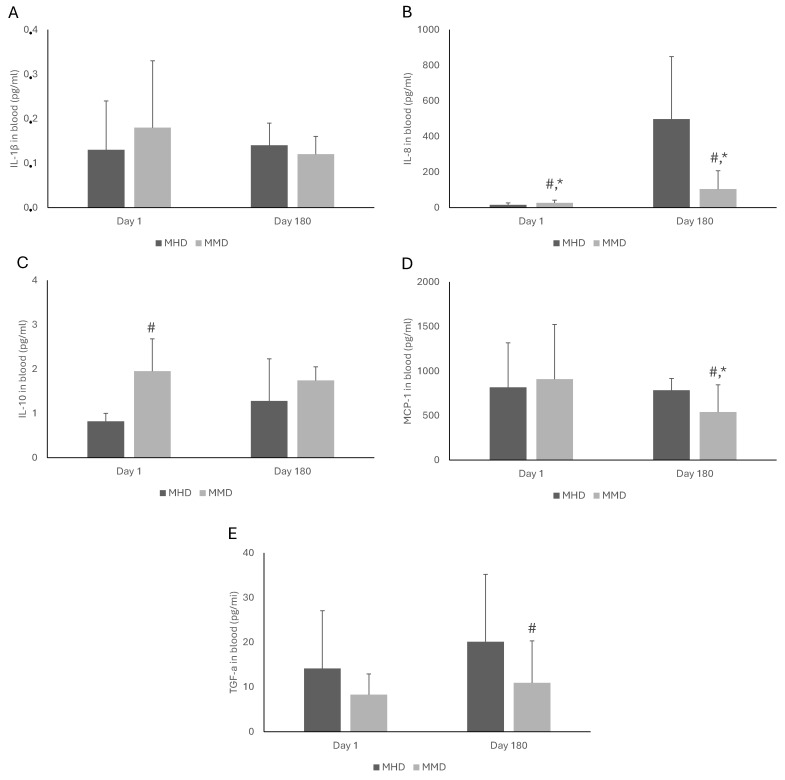
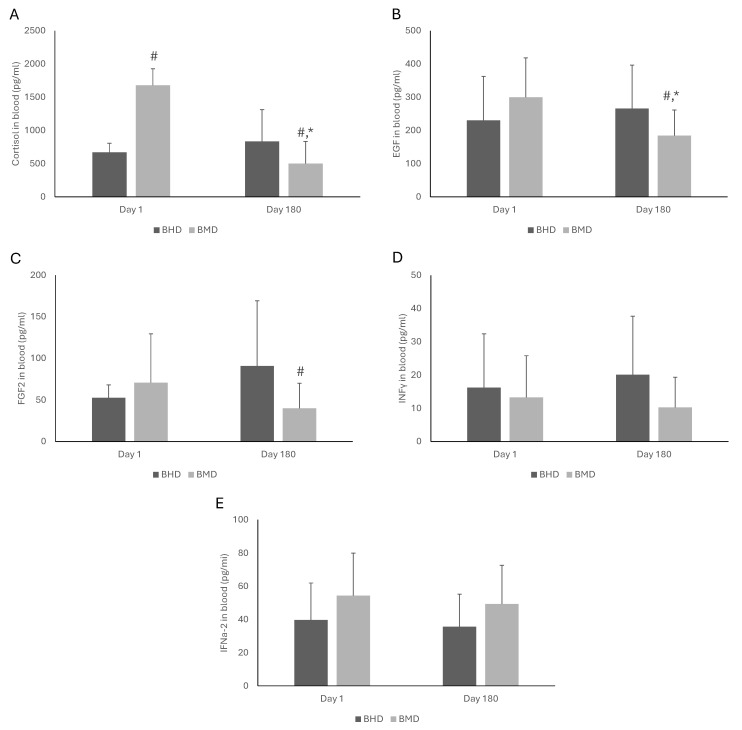
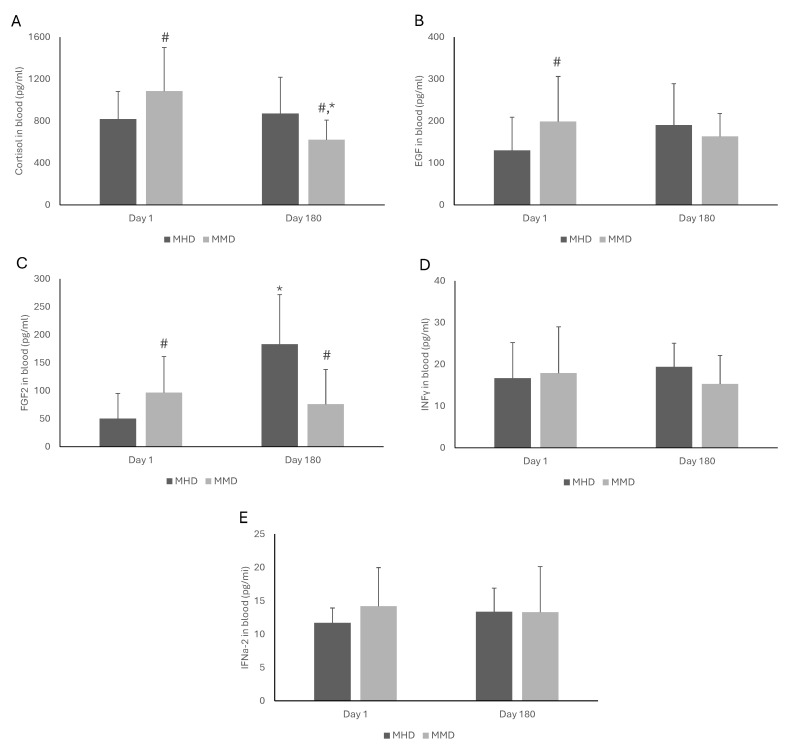
Buprenorphine and methadone are widely used as medication for addiction treatment (MAT) in patients with opioid use disorders. However, there is no compelling evidence of their impact on the immune-endocrine response. Therefore, the aim of this study was to examine the effects of the aforementioned medications on craving and on biomarkers of inflammation and cortisol, approaching the dose issue concurrently. Sixty-six patients (thirty-four under methadone and thirty-two under buprenorphine) who had just entered a MAT program and were stabilized with the suitable administered doses after a two-week process were divided into four groups based on medication dose (i.e., methadone high dose, buprenorphine high dose, methadone medium dose, and buprenorphine medium dose). The heroin craving questionnaire for craving assessment was completed, and the blood biomarkers were measured on Days 1 and 180. According to the results, high doses of both medications were accompanied by low levels of craving, cortisol, and inflammation on Day 1, and no alterations were observed on Day 180. On the contrary, medium doses reduced the tested psychosocial and biochemical parameters in terms of time, indicating a positive action for the patients. Concludingly, modifications in MAT doses are needed soon after the stabilization process to prevent inflammation and avoid relapse, thus helping opioid-addicted patients toward rehabilitation.





 京公网安备 11010802042870号
京ICP备2023020795号-1
京公网安备 11010802042870号
京ICP备2023020795号-1

 分享
分享
 求助内容:
求助内容: 应助结果提醒方式:
 扫码关注我们
