Belayneh Mengist, Mojtaba Lotfaliany, Julie A Pasco, Bruno Agustini, Michael Berk, Malcolm Forbes, Melissa M Lane, Suzanne G Orchard, Joanne Ryan, Alice J Owen, Robyn L Woods, John J McNeil, Mohammadreza Mohebbi
{"title":"超加工食品摄入对老年人抑郁症状和心理健康的风险:一项目标试验模拟","authors":"Belayneh Mengist, Mojtaba Lotfaliany, Julie A Pasco, Bruno Agustini, Michael Berk, Malcolm Forbes, Melissa M Lane, Suzanne G Orchard, Joanne Ryan, Alice J Owen, Robyn L Woods, John J McNeil, Mohammadreza Mohebbi","doi":"10.1186/s12916-025-04002-4","DOIUrl":null,"url":null,"abstract":"<p><strong>Background: </strong>Longitudinal cohort studies across the lifespan suggest an association between ultra-processed food (UPF) and depression. However, the effect of UPF on depression and mental health in older adults has not been determined. Therefore, this study investigated the effect of UPF on depressive symptoms and mental health in community-dwelling older adults.</p><p><strong>Methods: </strong>A pragmatic target trial was designed and emulated using the ASPirin in Reducing Events in the Elderly longitudinal data. Participants were community-dwelling older adults (≥ 70 years) in Australia. We specified and emulated the protocol of a two-arm randomised pragmatic clinical trial using the level of UPF consumption as the intervention. Greater than or equal to 4 servings of UPF per day was considered the intervention, with less than 4 servings per day the control. Dietary consumption was assessed using a mail-based diet screening questionnaire, and the level of food processing was classified based on the NOVA classification. The study outcomes were depressive symptoms, defined as a score of ≥ 8 on the Center for Epidemiological Studies Depression 10-item scale, and general mental health, defined by the mental component summary score of the Short Form-12. We applied inverse probability treatment weighting to balance confounders. Marginal structural models were employed to estimate the population-level average effect of intervention using generalised estimated equations.</p><p><strong>Results: </strong>A total of 11,192 participants (3415 intervention and 7777 control) were eligible for the emulation. High UPF consumption at time zero was associated with an increased risk of depressive symptoms at follow-ups (RR: 1.10; CI: 1.04-1.18). The finding was consistent with sensitivity analyses; after excluding participants on antidepressants at time zero, the risk of depressive symptoms in the intervention group was increased by 11% compared to the control (RR: 1.11; 95% CI: (1.04-1.20)). Consumption of UPF adversely affected the mental component quality of life (β: - 0.40; CI: - 0.65 to - 0.15).</p><p><strong>Conclusions: </strong>A higher level of UPF consumption was associated with a higher risk of depressive symptoms and adversely affected mental health among older adults.</p>","PeriodicalId":9188,"journal":{"name":"BMC Medicine","volume":"23 1","pages":"172"},"PeriodicalIF":8.3000,"publicationDate":"2025-03-24","publicationTypes":"Journal Article","fieldsOfStudy":null,"isOpenAccess":false,"openAccessPdf":"https://www.ncbi.nlm.nih.gov/pmc/articles/PMC11934811/pdf/","citationCount":"0","resultStr":"{\"title\":\"The risk associated with ultra-processed food intake on depressive symptoms and mental health in older adults: a target trial emulation.\",\"authors\":\"Belayneh Mengist, Mojtaba Lotfaliany, Julie A Pasco, Bruno Agustini, Michael Berk, Malcolm Forbes, Melissa M Lane, Suzanne G Orchard, Joanne Ryan, Alice J Owen, Robyn L Woods, John J McNeil, Mohammadreza Mohebbi\",\"doi\":\"10.1186/s12916-025-04002-4\",\"DOIUrl\":null,\"url\":null,\"abstract\":\"<p><strong>Background: </strong>Longitudinal cohort studies across the lifespan suggest an association between ultra-processed food (UPF) and depression. However, the effect of UPF on depression and mental health in older adults has not been determined. Therefore, this study investigated the effect of UPF on depressive symptoms and mental health in community-dwelling older adults.</p><p><strong>Methods: </strong>A pragmatic target trial was designed and emulated using the ASPirin in Reducing Events in the Elderly longitudinal data. Participants were community-dwelling older adults (≥ 70 years) in Australia. We specified and emulated the protocol of a two-arm randomised pragmatic clinical trial using the level of UPF consumption as the intervention. Greater than or equal to 4 servings of UPF per day was considered the intervention, with less than 4 servings per day the control. Dietary consumption was assessed using a mail-based diet screening questionnaire, and the level of food processing was classified based on the NOVA classification. The study outcomes were depressive symptoms, defined as a score of ≥ 8 on the Center for Epidemiological Studies Depression 10-item scale, and general mental health, defined by the mental component summary score of the Short Form-12. We applied inverse probability treatment weighting to balance confounders. Marginal structural models were employed to estimate the population-level average effect of intervention using generalised estimated equations.</p><p><strong>Results: </strong>A total of 11,192 participants (3415 intervention and 7777 control) were eligible for the emulation. High UPF consumption at time zero was associated with an increased risk of depressive symptoms at follow-ups (RR: 1.10; CI: 1.04-1.18). The finding was consistent with sensitivity analyses; after excluding participants on antidepressants at time zero, the risk of depressive symptoms in the intervention group was increased by 11% compared to the control (RR: 1.11; 95% CI: (1.04-1.20)). Consumption of UPF adversely affected the mental component quality of life (β: - 0.40; CI: - 0.65 to - 0.15).</p><p><strong>Conclusions: </strong>A higher level of UPF consumption was associated with a higher risk of depressive symptoms and adversely affected mental health among older adults.</p>\",\"PeriodicalId\":9188,\"journal\":{\"name\":\"BMC Medicine\",\"volume\":\"23 1\",\"pages\":\"172\"},\"PeriodicalIF\":8.3000,\"publicationDate\":\"2025-03-24\",\"publicationTypes\":\"Journal Article\",\"fieldsOfStudy\":null,\"isOpenAccess\":false,\"openAccessPdf\":\"https://www.ncbi.nlm.nih.gov/pmc/articles/PMC11934811/pdf/\",\"citationCount\":\"0\",\"resultStr\":null,\"platform\":\"Semanticscholar\",\"paperid\":null,\"PeriodicalName\":\"BMC Medicine\",\"FirstCategoryId\":\"3\",\"ListUrlMain\":\"https://doi.org/10.1186/s12916-025-04002-4\",\"RegionNum\":1,\"RegionCategory\":\"医学\",\"ArticlePicture\":[],\"TitleCN\":null,\"AbstractTextCN\":null,\"PMCID\":null,\"EPubDate\":\"\",\"PubModel\":\"\",\"JCR\":\"Q1\",\"JCRName\":\"MEDICINE, GENERAL & INTERNAL\",\"Score\":null,\"Total\":0}","platform":"Semanticscholar","paperid":null,"PeriodicalName":"BMC Medicine","FirstCategoryId":"3","ListUrlMain":"https://doi.org/10.1186/s12916-025-04002-4","RegionNum":1,"RegionCategory":"医学","ArticlePicture":[],"TitleCN":null,"AbstractTextCN":null,"PMCID":null,"EPubDate":"","PubModel":"","JCR":"Q1","JCRName":"MEDICINE, GENERAL & INTERNAL","Score":null,"Total":0}
The risk associated with ultra-processed food intake on depressive symptoms and mental health in older adults: a target trial emulation.
Background: Longitudinal cohort studies across the lifespan suggest an association between ultra-processed food (UPF) and depression. However, the effect of UPF on depression and mental health in older adults has not been determined. Therefore, this study investigated the effect of UPF on depressive symptoms and mental health in community-dwelling older adults.
Methods: A pragmatic target trial was designed and emulated using the ASPirin in Reducing Events in the Elderly longitudinal data. Participants were community-dwelling older adults (≥ 70 years) in Australia. We specified and emulated the protocol of a two-arm randomised pragmatic clinical trial using the level of UPF consumption as the intervention. Greater than or equal to 4 servings of UPF per day was considered the intervention, with less than 4 servings per day the control. Dietary consumption was assessed using a mail-based diet screening questionnaire, and the level of food processing was classified based on the NOVA classification. The study outcomes were depressive symptoms, defined as a score of ≥ 8 on the Center for Epidemiological Studies Depression 10-item scale, and general mental health, defined by the mental component summary score of the Short Form-12. We applied inverse probability treatment weighting to balance confounders. Marginal structural models were employed to estimate the population-level average effect of intervention using generalised estimated equations.
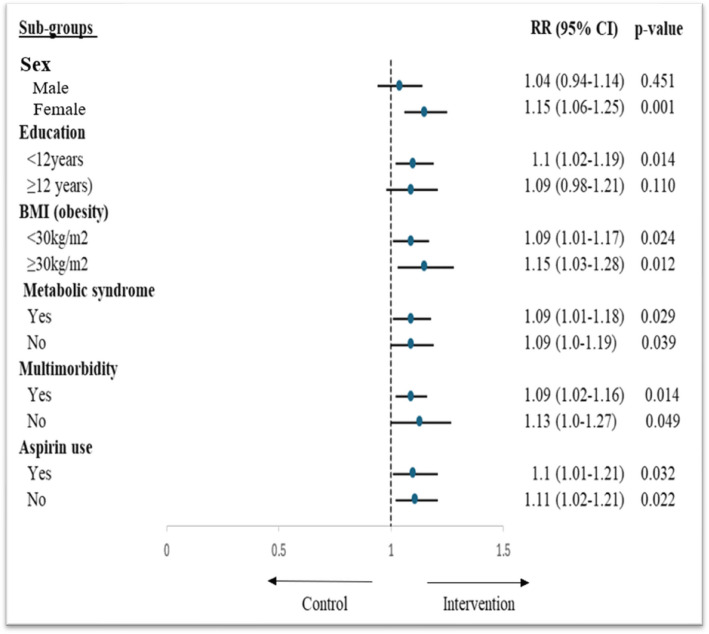
Results: A total of 11,192 participants (3415 intervention and 7777 control) were eligible for the emulation. High UPF consumption at time zero was associated with an increased risk of depressive symptoms at follow-ups (RR: 1.10; CI: 1.04-1.18). The finding was consistent with sensitivity analyses; after excluding participants on antidepressants at time zero, the risk of depressive symptoms in the intervention group was increased by 11% compared to the control (RR: 1.11; 95% CI: (1.04-1.20)). Consumption of UPF adversely affected the mental component quality of life (β: - 0.40; CI: - 0.65 to - 0.15).
Conclusions: A higher level of UPF consumption was associated with a higher risk of depressive symptoms and adversely affected mental health among older adults.
期刊介绍:
BMC Medicine is an open access, transparent peer-reviewed general medical journal. It is the flagship journal of the BMC series and publishes outstanding and influential research in various areas including clinical practice, translational medicine, medical and health advances, public health, global health, policy, and general topics of interest to the biomedical and sociomedical professional communities. In addition to research articles, the journal also publishes stimulating debates, reviews, unique forum articles, and concise tutorials. All articles published in BMC Medicine are included in various databases such as Biological Abstracts, BIOSIS, CAS, Citebase, Current contents, DOAJ, Embase, MEDLINE, PubMed, Science Citation Index Expanded, OAIster, SCImago, Scopus, SOCOLAR, and Zetoc.





 京公网安备 11010802042870号
京ICP备2023020795号-1
京公网安备 11010802042870号
京ICP备2023020795号-1

 分享
分享
 求助内容:
求助内容: 应助结果提醒方式:
 扫码关注我们
