Julieta Chiappero, Gustavo A Monti, Diego F Acevedo, Natalia S Paulucci, Edith I Yslas
{"title":"利用银纳米团簇对抗抗生素耐药性时代的金黄色葡萄球菌。","authors":"Julieta Chiappero, Gustavo A Monti, Diego F Acevedo, Natalia S Paulucci, Edith I Yslas","doi":"10.3390/pharmaceutics17030393","DOIUrl":null,"url":null,"abstract":"<p><p><b>Background/Objectives</b>: In the race to develop new antibiotics to combat multidrug-resistant bacteria, particularly the <i>ESKAPE</i> pathogens which pose a significant threat to public health, silver nanoclusters (AgNCs) have emerged as a promising alternative. This article focuses on the potential of novel silver nanoclusters as an antimicrobial agent against <i>Staphylococcus aureus</i>, a high-priority pathogen known for its ability to cause persistent nosocomial infections and develop protective biofilms. <b>Methods</b>: In this study, we successfully synthesized AgNCs at pH 7 using an eco-friendly photoreduction method with poly acrylic acid (PAA) and poly methacrylic acid (PMAA) as stabilizers. This methodology produced fluorescent AgNCs, demonstrating their stability in aqueous solutions for at least three months and highlighting the effectiveness of PAA and PMAA as stabilizing agents. The AgNCs were incubated with <i>S. aureus</i> suspension, and the antimicrobial capability at different concentrations and times of incubation were determined. Also, the AgNCs hemocompatibility was studied by exposing the clusters to rat blood cells. <b>Results</b>: The in vitro assays revealed that AgNCs capping with PAA or PMAA has antimicrobial activity in low doses (the determination of minimum inhibitory concentration (MIC): 0.2 µg/mL, and the determination of minimum bactericidal concentration (MBC): 2 µg/mL) and without cytotoxicity (hemolysis less than 10%) to rat blood cells until 1 µg/mL. In the presence of both AgNCs (5 µg/mL), bacterial growth was completely inhibited within just 3 h. <b>Conclusions:</b> The findings of this study highlight the potential of silver nanoclusters as effective antimicrobial agents against <i>S. aureus</i>. Their stability, low toxicity, and rapid bactericidal activity make them promising candidates for further development in antimicrobial applications.</p>","PeriodicalId":19894,"journal":{"name":"Pharmaceutics","volume":"17 3","pages":""},"PeriodicalIF":6.9000,"publicationDate":"2025-03-20","publicationTypes":"Journal Article","fieldsOfStudy":null,"isOpenAccess":false,"openAccessPdf":"https://www.ncbi.nlm.nih.gov/pmc/articles/PMC11945072/pdf/","citationCount":"0","resultStr":"{\"title\":\"Harnessing Silver Nanoclusters to Combat <i>Staphylococcus aureus</i> in the Era of Antibiotic Resistance.\",\"authors\":\"Julieta Chiappero, Gustavo A Monti, Diego F Acevedo, Natalia S Paulucci, Edith I Yslas\",\"doi\":\"10.3390/pharmaceutics17030393\",\"DOIUrl\":null,\"url\":null,\"abstract\":\"<p><p><b>Background/Objectives</b>: In the race to develop new antibiotics to combat multidrug-resistant bacteria, particularly the <i>ESKAPE</i> pathogens which pose a significant threat to public health, silver nanoclusters (AgNCs) have emerged as a promising alternative. This article focuses on the potential of novel silver nanoclusters as an antimicrobial agent against <i>Staphylococcus aureus</i>, a high-priority pathogen known for its ability to cause persistent nosocomial infections and develop protective biofilms. <b>Methods</b>: In this study, we successfully synthesized AgNCs at pH 7 using an eco-friendly photoreduction method with poly acrylic acid (PAA) and poly methacrylic acid (PMAA) as stabilizers. This methodology produced fluorescent AgNCs, demonstrating their stability in aqueous solutions for at least three months and highlighting the effectiveness of PAA and PMAA as stabilizing agents. The AgNCs were incubated with <i>S. aureus</i> suspension, and the antimicrobial capability at different concentrations and times of incubation were determined. Also, the AgNCs hemocompatibility was studied by exposing the clusters to rat blood cells. <b>Results</b>: The in vitro assays revealed that AgNCs capping with PAA or PMAA has antimicrobial activity in low doses (the determination of minimum inhibitory concentration (MIC): 0.2 µg/mL, and the determination of minimum bactericidal concentration (MBC): 2 µg/mL) and without cytotoxicity (hemolysis less than 10%) to rat blood cells until 1 µg/mL. In the presence of both AgNCs (5 µg/mL), bacterial growth was completely inhibited within just 3 h. <b>Conclusions:</b> The findings of this study highlight the potential of silver nanoclusters as effective antimicrobial agents against <i>S. aureus</i>. Their stability, low toxicity, and rapid bactericidal activity make them promising candidates for further development in antimicrobial applications.</p>\",\"PeriodicalId\":19894,\"journal\":{\"name\":\"Pharmaceutics\",\"volume\":\"17 3\",\"pages\":\"\"},\"PeriodicalIF\":6.9000,\"publicationDate\":\"2025-03-20\",\"publicationTypes\":\"Journal Article\",\"fieldsOfStudy\":null,\"isOpenAccess\":false,\"openAccessPdf\":\"https://www.ncbi.nlm.nih.gov/pmc/articles/PMC11945072/pdf/\",\"citationCount\":\"0\",\"resultStr\":null,\"platform\":\"Semanticscholar\",\"paperid\":null,\"PeriodicalName\":\"Pharmaceutics\",\"FirstCategoryId\":\"3\",\"ListUrlMain\":\"https://doi.org/10.3390/pharmaceutics17030393\",\"RegionNum\":3,\"RegionCategory\":\"医学\",\"ArticlePicture\":[],\"TitleCN\":null,\"AbstractTextCN\":null,\"PMCID\":null,\"EPubDate\":\"\",\"PubModel\":\"\",\"JCR\":\"Q1\",\"JCRName\":\"PHARMACOLOGY & PHARMACY\",\"Score\":null,\"Total\":0}","platform":"Semanticscholar","paperid":null,"PeriodicalName":"Pharmaceutics","FirstCategoryId":"3","ListUrlMain":"https://doi.org/10.3390/pharmaceutics17030393","RegionNum":3,"RegionCategory":"医学","ArticlePicture":[],"TitleCN":null,"AbstractTextCN":null,"PMCID":null,"EPubDate":"","PubModel":"","JCR":"Q1","JCRName":"PHARMACOLOGY & PHARMACY","Score":null,"Total":0}
Harnessing Silver Nanoclusters to Combat Staphylococcus aureus in the Era of Antibiotic Resistance.
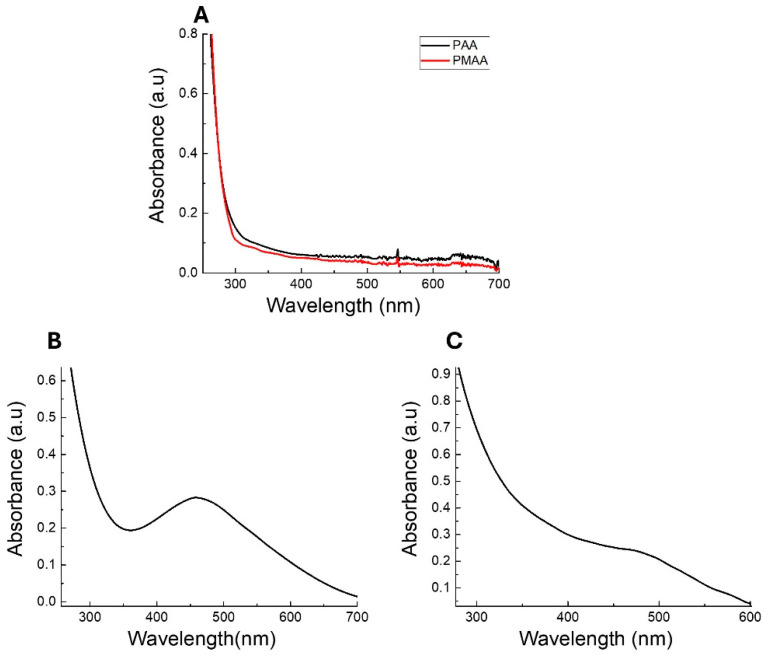
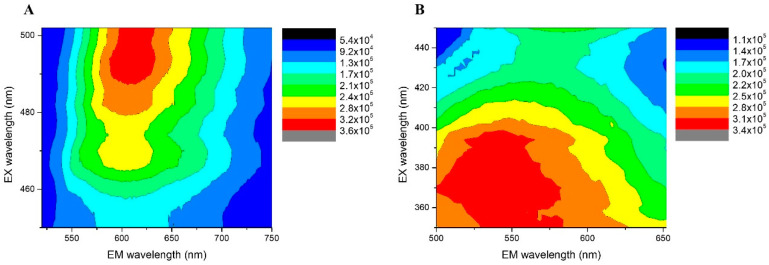
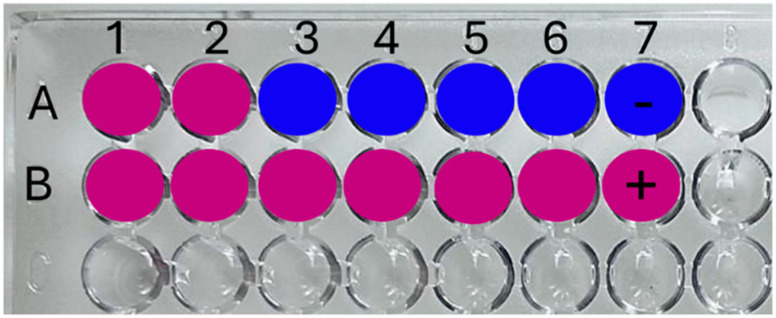
Background/Objectives: In the race to develop new antibiotics to combat multidrug-resistant bacteria, particularly the ESKAPE pathogens which pose a significant threat to public health, silver nanoclusters (AgNCs) have emerged as a promising alternative. This article focuses on the potential of novel silver nanoclusters as an antimicrobial agent against Staphylococcus aureus, a high-priority pathogen known for its ability to cause persistent nosocomial infections and develop protective biofilms. Methods: In this study, we successfully synthesized AgNCs at pH 7 using an eco-friendly photoreduction method with poly acrylic acid (PAA) and poly methacrylic acid (PMAA) as stabilizers. This methodology produced fluorescent AgNCs, demonstrating their stability in aqueous solutions for at least three months and highlighting the effectiveness of PAA and PMAA as stabilizing agents. The AgNCs were incubated with S. aureus suspension, and the antimicrobial capability at different concentrations and times of incubation were determined. Also, the AgNCs hemocompatibility was studied by exposing the clusters to rat blood cells. Results: The in vitro assays revealed that AgNCs capping with PAA or PMAA has antimicrobial activity in low doses (the determination of minimum inhibitory concentration (MIC): 0.2 µg/mL, and the determination of minimum bactericidal concentration (MBC): 2 µg/mL) and without cytotoxicity (hemolysis less than 10%) to rat blood cells until 1 µg/mL. In the presence of both AgNCs (5 µg/mL), bacterial growth was completely inhibited within just 3 h. Conclusions: The findings of this study highlight the potential of silver nanoclusters as effective antimicrobial agents against S. aureus. Their stability, low toxicity, and rapid bactericidal activity make them promising candidates for further development in antimicrobial applications.
PharmaceuticsPharmacology, Toxicology and Pharmaceutics-Pharmaceutical Science
CiteScore
7.90
自引率
11.10%
发文量
2379
审稿时长
16.41 days
期刊介绍:
Pharmaceutics (ISSN 1999-4923) is an open access journal which provides an advanced forum for the science and technology of pharmaceutics and biopharmaceutics. It publishes reviews, regular research papers, communications, and short notes. Covered topics include pharmacokinetics, toxicokinetics, pharmacodynamics, pharmacogenetics and pharmacogenomics, and pharmaceutical formulation. Our aim is to encourage scientists to publish their experimental and theoretical details in as much detail as possible. There is no restriction on the length of the papers. The full experimental details must be provided so that the results can be reproduced.




 京公网安备 11010802042870号
京ICP备2023020795号-1
京公网安备 11010802042870号
京ICP备2023020795号-1

 分享
分享
 求助内容:
求助内容: 应助结果提醒方式:
 扫码关注我们
