Juan Felipe Hernandez-Arango, Mariana Ortiz-Sanchez, Juan Camilo Solarte-Toro, Jairo Salcedo‑Mendoza, Carlos Ariel Cardona Alzate
{"title":"生物炼制背景下废物增值的地球边界分析和经济评估:哥伦比亚苏克雷玉米价值链案例研究。","authors":"Juan Felipe Hernandez-Arango, Mariana Ortiz-Sanchez, Juan Camilo Solarte-Toro, Jairo Salcedo‑Mendoza, Carlos Ariel Cardona Alzate","doi":"10.1007/s11356-025-36266-x","DOIUrl":null,"url":null,"abstract":"<div><p>The environmental impact generated by the excessive use of energy and petrochemical products has become a current problem addressed by considering the valorization of waste from a value chain (VC) under the biorefinery concept. At a global level, international organizations have proposed different tools to control the environmental impact of VC. Life cycle analysis (LCA) is the most representative tool. However, the LCA results do not allow defining a VC impact in a territory. The planetary boundaries (PB) approach contextualizes the results of an LCA with the maximum limits allowed for a defined activity. This research aimed to propose and apply a methodology integrating the LCA and PB approach (PBA-LCA). For this, waste valorization under the biorefinery concept was considered. The conceptual process analysis, economic optimization of biorefineries, LCA, and PB approach tools were combined and applied to a representative case study (the corn VC in Sucre, Colombia). First, the corn VC was analyzed to define different valorization alternatives for corn stover (CS). The valorization alternatives were simulated and evaluated using Aspen Plus V9.0., Aspen Economic Analyzer V9.0., and SimaPro V8.3. The LCA impact categories were used to define the PB. The economic optimization of CS biorefineries resulted in the technical and economic limitations of the cellulose valorization fraction due to high capital and operating costs. Moreover, the production of xylitol from CS presented the best economic results with a payback period of 2 years and an NPV of US$26.04 million. The LCA results demonstrated the advantages of using CS in agricultural activities. In the biorefinery, the split of CS scenarios for biorefineries had a higher environmental impact. The inclusion of the valorization stage increases to 5 and 15 times the impact on climate change and freshwater use boundaries, respectively. Finally, the PB results demonstrated the advantage of CS current use. On the other hand, the PB analysis determined the appropriate CS split with a biorefinery/mulching ratio of 70%/30% to be implemented in Sucre, Colombia. In conclusion, the results demonstrated the need to contextualize the results of an LCA with the PB in a given region to analyze the processes’ environmental viability.</p></div>","PeriodicalId":545,"journal":{"name":"Environmental Science and Pollution Research","volume":"33 6","pages":"1835 - 1853"},"PeriodicalIF":5.8000,"publicationDate":"2025-04-02","publicationTypes":"Journal Article","fieldsOfStudy":null,"isOpenAccess":false,"openAccessPdf":"https://link.springer.com/content/pdf/10.1007/s11356-025-36266-x.pdf","citationCount":"0","resultStr":"{\"title\":\"Analysis of planetary boundaries and economic assessment for waste valorization in the context of a biorefinery: case study of the corn value chain in Sucre, Colombia\",\"authors\":\"Juan Felipe Hernandez-Arango, Mariana Ortiz-Sanchez, Juan Camilo Solarte-Toro, Jairo Salcedo‑Mendoza, Carlos Ariel Cardona Alzate\",\"doi\":\"10.1007/s11356-025-36266-x\",\"DOIUrl\":null,\"url\":null,\"abstract\":\"<div><p>The environmental impact generated by the excessive use of energy and petrochemical products has become a current problem addressed by considering the valorization of waste from a value chain (VC) under the biorefinery concept. At a global level, international organizations have proposed different tools to control the environmental impact of VC. Life cycle analysis (LCA) is the most representative tool. However, the LCA results do not allow defining a VC impact in a territory. The planetary boundaries (PB) approach contextualizes the results of an LCA with the maximum limits allowed for a defined activity. This research aimed to propose and apply a methodology integrating the LCA and PB approach (PBA-LCA). For this, waste valorization under the biorefinery concept was considered. The conceptual process analysis, economic optimization of biorefineries, LCA, and PB approach tools were combined and applied to a representative case study (the corn VC in Sucre, Colombia). First, the corn VC was analyzed to define different valorization alternatives for corn stover (CS). The valorization alternatives were simulated and evaluated using Aspen Plus V9.0., Aspen Economic Analyzer V9.0., and SimaPro V8.3. The LCA impact categories were used to define the PB. The economic optimization of CS biorefineries resulted in the technical and economic limitations of the cellulose valorization fraction due to high capital and operating costs. Moreover, the production of xylitol from CS presented the best economic results with a payback period of 2 years and an NPV of US$26.04 million. The LCA results demonstrated the advantages of using CS in agricultural activities. In the biorefinery, the split of CS scenarios for biorefineries had a higher environmental impact. The inclusion of the valorization stage increases to 5 and 15 times the impact on climate change and freshwater use boundaries, respectively. Finally, the PB results demonstrated the advantage of CS current use. On the other hand, the PB analysis determined the appropriate CS split with a biorefinery/mulching ratio of 70%/30% to be implemented in Sucre, Colombia. In conclusion, the results demonstrated the need to contextualize the results of an LCA with the PB in a given region to analyze the processes’ environmental viability.</p></div>\",\"PeriodicalId\":545,\"journal\":{\"name\":\"Environmental Science and Pollution Research\",\"volume\":\"33 6\",\"pages\":\"1835 - 1853\"},\"PeriodicalIF\":5.8000,\"publicationDate\":\"2025-04-02\",\"publicationTypes\":\"Journal Article\",\"fieldsOfStudy\":null,\"isOpenAccess\":false,\"openAccessPdf\":\"https://link.springer.com/content/pdf/10.1007/s11356-025-36266-x.pdf\",\"citationCount\":\"0\",\"resultStr\":null,\"platform\":\"Semanticscholar\",\"paperid\":null,\"PeriodicalName\":\"Environmental Science and Pollution Research\",\"FirstCategoryId\":\"93\",\"ListUrlMain\":\"https://link.springer.com/article/10.1007/s11356-025-36266-x\",\"RegionNum\":3,\"RegionCategory\":\"环境科学与生态学\",\"ArticlePicture\":[],\"TitleCN\":null,\"AbstractTextCN\":null,\"PMCID\":null,\"EPubDate\":\"\",\"PubModel\":\"\",\"JCR\":\"0\",\"JCRName\":\"ENVIRONMENTAL SCIENCES\",\"Score\":null,\"Total\":0}","platform":"Semanticscholar","paperid":null,"PeriodicalName":"Environmental Science and Pollution Research","FirstCategoryId":"93","ListUrlMain":"https://link.springer.com/article/10.1007/s11356-025-36266-x","RegionNum":3,"RegionCategory":"环境科学与生态学","ArticlePicture":[],"TitleCN":null,"AbstractTextCN":null,"PMCID":null,"EPubDate":"","PubModel":"","JCR":"0","JCRName":"ENVIRONMENTAL SCIENCES","Score":null,"Total":0}
引用次数: 0
摘要
过度使用能源和石化产品所产生的环境影响已成为当前生物炼制概念下考虑价值链(VC)废物价值化所解决的问题。在全球范围内,国际组织提出了不同的工具来控制风险投资对环境的影响。生命周期分析(LCA)是最具代表性的工具。然而,LCA结果不允许定义风险投资在一个领域的影响。行星边界(PB)方法将LCA的结果与所定义的活动所允许的最大限制联系起来。本研究旨在提出并应用一种整合LCA和PB方法的方法(PBA-LCA)。为此,考虑了生物炼制概念下的废物增值。将概念过程分析、生物精炼厂经济优化、LCA和PB方法工具结合起来,并应用于一个具有代表性的案例研究(哥伦比亚苏克雷的玉米风险投资)。首先,对玉米VC进行了分析,确定了玉米秸秆的不同增值方案。使用Aspen Plus V9.0对这些增值方案进行了模拟和评估。, Aspen经济分析器V9.0。和SimaPro V8.3。使用LCA影响类别来定义PB。CS生物精炼厂的经济优化导致了纤维素增值部分的技术和经济限制,因为资本和运营成本高。此外,以CS为原料生产木糖醇的经济效益最好,投资回收期为2年,净现值为2604万美元。LCA结果显示了CS在农业活动中的优势。在生物炼制中,生物炼制的分离CS情景具有更高的环境影响。包括增值阶段对气候变化和淡水利用边界的影响分别增加到5倍和15倍。最后,PB结果显示了CS电流使用的优势。另一方面,PB分析确定了适合在哥伦比亚苏克雷实施的生物精炼/覆盖比为70%/30%的CS分割。总之,结果表明需要将LCA的结果与给定区域的PB联系起来,以分析过程的环境可行性。
Analysis of planetary boundaries and economic assessment for waste valorization in the context of a biorefinery: case study of the corn value chain in Sucre, Colombia
The environmental impact generated by the excessive use of energy and petrochemical products has become a current problem addressed by considering the valorization of waste from a value chain (VC) under the biorefinery concept. At a global level, international organizations have proposed different tools to control the environmental impact of VC. Life cycle analysis (LCA) is the most representative tool. However, the LCA results do not allow defining a VC impact in a territory. The planetary boundaries (PB) approach contextualizes the results of an LCA with the maximum limits allowed for a defined activity. This research aimed to propose and apply a methodology integrating the LCA and PB approach (PBA-LCA). For this, waste valorization under the biorefinery concept was considered. The conceptual process analysis, economic optimization of biorefineries, LCA, and PB approach tools were combined and applied to a representative case study (the corn VC in Sucre, Colombia). First, the corn VC was analyzed to define different valorization alternatives for corn stover (CS). The valorization alternatives were simulated and evaluated using Aspen Plus V9.0., Aspen Economic Analyzer V9.0., and SimaPro V8.3. The LCA impact categories were used to define the PB. The economic optimization of CS biorefineries resulted in the technical and economic limitations of the cellulose valorization fraction due to high capital and operating costs. Moreover, the production of xylitol from CS presented the best economic results with a payback period of 2 years and an NPV of US$26.04 million. The LCA results demonstrated the advantages of using CS in agricultural activities. In the biorefinery, the split of CS scenarios for biorefineries had a higher environmental impact. The inclusion of the valorization stage increases to 5 and 15 times the impact on climate change and freshwater use boundaries, respectively. Finally, the PB results demonstrated the advantage of CS current use. On the other hand, the PB analysis determined the appropriate CS split with a biorefinery/mulching ratio of 70%/30% to be implemented in Sucre, Colombia. In conclusion, the results demonstrated the need to contextualize the results of an LCA with the PB in a given region to analyze the processes’ environmental viability.
期刊介绍:
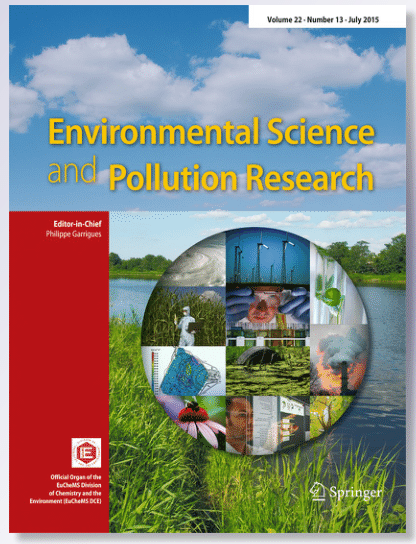
Environmental Science and Pollution Research (ESPR) serves the international community in all areas of Environmental Science and related subjects with emphasis on chemical compounds. This includes:
- Terrestrial Biology and Ecology
- Aquatic Biology and Ecology
- Atmospheric Chemistry
- Environmental Microbiology/Biobased Energy Sources
- Phytoremediation and Ecosystem Restoration
- Environmental Analyses and Monitoring
- Assessment of Risks and Interactions of Pollutants in the Environment
- Conservation Biology and Sustainable Agriculture
- Impact of Chemicals/Pollutants on Human and Animal Health
It reports from a broad interdisciplinary outlook.




 京公网安备 11010802042870号
京ICP备2023020795号-1
京公网安备 11010802042870号
京ICP备2023020795号-1

 分享
分享
 求助内容:
求助内容: 应助结果提醒方式:
 扫码关注我们
