Matthew P Irwin, Yang Yu, Catherine E Turner, Kevin C Ooi, Matthew J Morgan
{"title":"骶神经调节治疗大便失禁的患者经验——一项多中心、纵向队列研究。","authors":"Matthew P Irwin, Yang Yu, Catherine E Turner, Kevin C Ooi, Matthew J Morgan","doi":"10.1007/s00384-025-04870-5","DOIUrl":null,"url":null,"abstract":"<p><strong>Purpose: </strong>Sacral neuromodulation (SNM) is an established treatment for faecal incontinence. This study analyses patient experience with SNM beyond quality of life and incontinence scores to better understand patient expectations and improve patient selection.</p><p><strong>Methods: </strong>Patients receiving SNM for faecal incontinence at three Australian sites from 2013 to 2023 were subject to cohort analysis. St. Mark's Incontinence Score (SMIS) and Rapid Assessment of Faecal Incontinence Score (RAFIS) assessed incontinence and quality of life. Thematic analysis of structured interviews qualitatively assessed patient experience.</p><p><strong>Results: </strong>Seventy-one patients aged 52-86 years (M = 69) experienced SNM and 56 agreed to interview at median 6-year post-procedure. Forty-five (63%) proceeded to permanent SNM and progression was not influenced by age, sex, culture, insurance status or presence of anal sphincter defect. Thirty-nine (87%) retained their neuromodulator with battery life M = 6.5 years, 95% CI [5.2, 7.8]. Permanent SNM improved incontinence (P < 0.01) and quality of life (P < 0.01). Forty-eight (86%) patients desired 30-min education pre- and post-procedure. Thirty-seven (86%) desired follow-ups at 1 month, 12 months and at battery depletion. Twenty (36%) had initial reservations which resolved in all but one patient. Twenty-one (54%) remained dependent on others for neuromodulator customisation and this dependence increased with age (P = 0.02). Fifty (89%) recommend SNM to others, despite 8 (14%) regretting their personal experience.</p><p><strong>Conclusion: </strong>SNM continues to improve faecal incontinence and quality of life. Initial reservations usually resolve and most patients recommend it to others. While adequate patient education and follow-up is not onerous to achieve, most patients remain dependent for neuromodulator customisation.</p>","PeriodicalId":13789,"journal":{"name":"International Journal of Colorectal Disease","volume":"40 1","pages":"84"},"PeriodicalIF":2.9000,"publicationDate":"2025-04-02","publicationTypes":"Journal Article","fieldsOfStudy":null,"isOpenAccess":false,"openAccessPdf":"https://www.ncbi.nlm.nih.gov/pmc/articles/PMC11965221/pdf/","citationCount":"0","resultStr":"{\"title\":\"Patient experience with sacral neuromodulation for faecal incontinence - a multi-centre, longitudinal cohort study.\",\"authors\":\"Matthew P Irwin, Yang Yu, Catherine E Turner, Kevin C Ooi, Matthew J Morgan\",\"doi\":\"10.1007/s00384-025-04870-5\",\"DOIUrl\":null,\"url\":null,\"abstract\":\"<p><strong>Purpose: </strong>Sacral neuromodulation (SNM) is an established treatment for faecal incontinence. This study analyses patient experience with SNM beyond quality of life and incontinence scores to better understand patient expectations and improve patient selection.</p><p><strong>Methods: </strong>Patients receiving SNM for faecal incontinence at three Australian sites from 2013 to 2023 were subject to cohort analysis. St. Mark's Incontinence Score (SMIS) and Rapid Assessment of Faecal Incontinence Score (RAFIS) assessed incontinence and quality of life. Thematic analysis of structured interviews qualitatively assessed patient experience.</p><p><strong>Results: </strong>Seventy-one patients aged 52-86 years (M = 69) experienced SNM and 56 agreed to interview at median 6-year post-procedure. Forty-five (63%) proceeded to permanent SNM and progression was not influenced by age, sex, culture, insurance status or presence of anal sphincter defect. Thirty-nine (87%) retained their neuromodulator with battery life M = 6.5 years, 95% CI [5.2, 7.8]. Permanent SNM improved incontinence (P < 0.01) and quality of life (P < 0.01). Forty-eight (86%) patients desired 30-min education pre- and post-procedure. Thirty-seven (86%) desired follow-ups at 1 month, 12 months and at battery depletion. Twenty (36%) had initial reservations which resolved in all but one patient. Twenty-one (54%) remained dependent on others for neuromodulator customisation and this dependence increased with age (P = 0.02). Fifty (89%) recommend SNM to others, despite 8 (14%) regretting their personal experience.</p><p><strong>Conclusion: </strong>SNM continues to improve faecal incontinence and quality of life. Initial reservations usually resolve and most patients recommend it to others. While adequate patient education and follow-up is not onerous to achieve, most patients remain dependent for neuromodulator customisation.</p>\",\"PeriodicalId\":13789,\"journal\":{\"name\":\"International Journal of Colorectal Disease\",\"volume\":\"40 1\",\"pages\":\"84\"},\"PeriodicalIF\":2.9000,\"publicationDate\":\"2025-04-02\",\"publicationTypes\":\"Journal Article\",\"fieldsOfStudy\":null,\"isOpenAccess\":false,\"openAccessPdf\":\"https://www.ncbi.nlm.nih.gov/pmc/articles/PMC11965221/pdf/\",\"citationCount\":\"0\",\"resultStr\":null,\"platform\":\"Semanticscholar\",\"paperid\":null,\"PeriodicalName\":\"International Journal of Colorectal Disease\",\"FirstCategoryId\":\"3\",\"ListUrlMain\":\"https://doi.org/10.1007/s00384-025-04870-5\",\"RegionNum\":3,\"RegionCategory\":\"医学\",\"ArticlePicture\":[],\"TitleCN\":null,\"AbstractTextCN\":null,\"PMCID\":null,\"EPubDate\":\"\",\"PubModel\":\"\",\"JCR\":\"Q2\",\"JCRName\":\"GASTROENTEROLOGY & HEPATOLOGY\",\"Score\":null,\"Total\":0}","platform":"Semanticscholar","paperid":null,"PeriodicalName":"International Journal of Colorectal Disease","FirstCategoryId":"3","ListUrlMain":"https://doi.org/10.1007/s00384-025-04870-5","RegionNum":3,"RegionCategory":"医学","ArticlePicture":[],"TitleCN":null,"AbstractTextCN":null,"PMCID":null,"EPubDate":"","PubModel":"","JCR":"Q2","JCRName":"GASTROENTEROLOGY & HEPATOLOGY","Score":null,"Total":0}
Patient experience with sacral neuromodulation for faecal incontinence - a multi-centre, longitudinal cohort study.
Purpose: Sacral neuromodulation (SNM) is an established treatment for faecal incontinence. This study analyses patient experience with SNM beyond quality of life and incontinence scores to better understand patient expectations and improve patient selection.
Methods: Patients receiving SNM for faecal incontinence at three Australian sites from 2013 to 2023 were subject to cohort analysis. St. Mark's Incontinence Score (SMIS) and Rapid Assessment of Faecal Incontinence Score (RAFIS) assessed incontinence and quality of life. Thematic analysis of structured interviews qualitatively assessed patient experience.
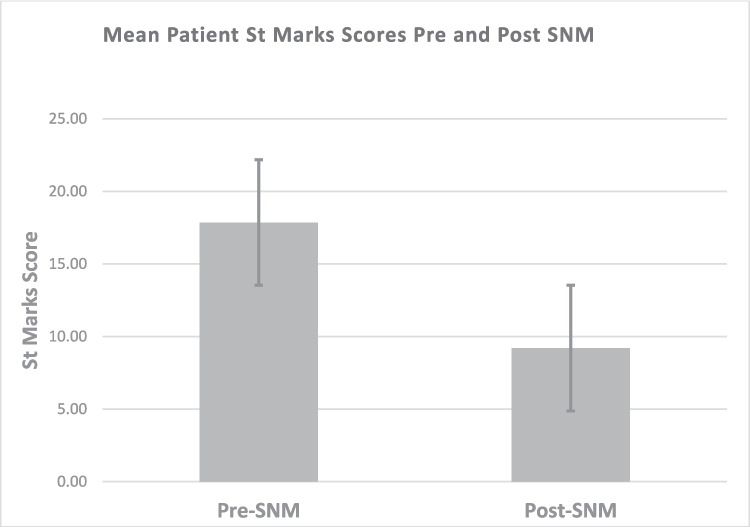
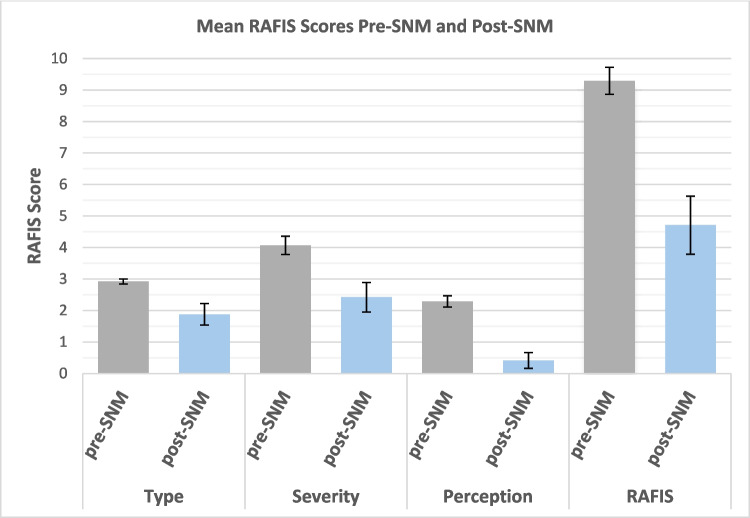
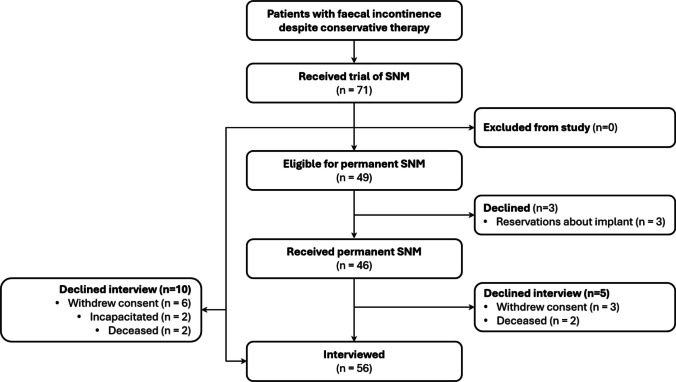
Results: Seventy-one patients aged 52-86 years (M = 69) experienced SNM and 56 agreed to interview at median 6-year post-procedure. Forty-five (63%) proceeded to permanent SNM and progression was not influenced by age, sex, culture, insurance status or presence of anal sphincter defect. Thirty-nine (87%) retained their neuromodulator with battery life M = 6.5 years, 95% CI [5.2, 7.8]. Permanent SNM improved incontinence (P < 0.01) and quality of life (P < 0.01). Forty-eight (86%) patients desired 30-min education pre- and post-procedure. Thirty-seven (86%) desired follow-ups at 1 month, 12 months and at battery depletion. Twenty (36%) had initial reservations which resolved in all but one patient. Twenty-one (54%) remained dependent on others for neuromodulator customisation and this dependence increased with age (P = 0.02). Fifty (89%) recommend SNM to others, despite 8 (14%) regretting their personal experience.
Conclusion: SNM continues to improve faecal incontinence and quality of life. Initial reservations usually resolve and most patients recommend it to others. While adequate patient education and follow-up is not onerous to achieve, most patients remain dependent for neuromodulator customisation.
期刊介绍:
The International Journal of Colorectal Disease, Clinical and Molecular Gastroenterology and Surgery aims to publish novel and state-of-the-art papers which deal with the physiology and pathophysiology of diseases involving the entire gastrointestinal tract. In addition to original research articles, the following categories will be included: reviews (usually commissioned but may also be submitted), case reports, letters to the editor, and protocols on clinical studies.
The journal offers its readers an interdisciplinary forum for clinical science and molecular research related to gastrointestinal disease.




 京公网安备 11010802042870号
京ICP备2023020795号-1
京公网安备 11010802042870号
京ICP备2023020795号-1

 分享
分享
 求助内容:
求助内容: 应助结果提醒方式:
 扫码关注我们
