{"title":"东非孕妇中抗微生物药物耐药性细菌的优势和细菌感染的危险因素:对公共卫生的影响。","authors":"Molla Getie Mehari, Almaw Genet Yeshiwas, Dereje Esubalew, Yehzibalem Azmeraw, Amare Mebrat Delie, Liknaw Workie Limenh, Nigus Kassie Worku, Mickiale Hailu, Mihret Melese, Alemwork Abie, Tenagnework Eseyneh Dagnaw, Eneyew Talie Fenta, Abraham Teym, Rahel Mulatie Anteneh, Chalachew Yenew","doi":"10.1186/s41043-025-00767-9","DOIUrl":null,"url":null,"abstract":"<p><strong>Background: </strong>Bacterial infections in pregnancy pose significant health risks in East Africa. This study estimates pooled prevalence and identifies key risk factors, addressing limited data to improve maternal health outcomes in the region.</p><p><strong>Methods: </strong>This study employed a systematic review and meta-analysis, analyzing data from eight East African studies (2016-2021). Searches spanned PubMed, Embase, Scopus, and more, with manual reference checks. Data quality was assessed via the Newcastle-Ottawa Scale. RevMan software with a random-effects model estimated pooled prevalence and hazard ratios for risk factors.</p><p><strong>Results: </strong>A pooled analysis of antimicrobial resistance (AMR) bacterial isolates from pregnant women in East Africa highlights concerning prevalence rates of various pathogens. Escherichia coli emerged as the most common pathogen, present in 43% (95% CI: 37-48%) of cases, followed by Staphylococcus aureus at 20% (95% CI: 0.12, 0.29) and Corynebacterium, Enterococcus, and Nocardia species (CONs) in 16% (95% CI: 10-23%) and 16% (95% CI: 12-21%) (Prevalence of K. pneumoniae). A very small proportion 6% (95% CI: 2 - 11%) was found to be infected with Pseudomonas aeruginosa. The forest plot highlights risk factors for infections in pregnant women in East Africa: antibiotic use (HR: 2.0, 95% CI: 1.5-2.6), smoking (HR: 1.3, 95% CI: 1.0-1.6), poor sanitation (HR: 1.8, 95% CI: 1.2-2.4), diabetes (HR: 2.1, 95% CI: 1.5-2.8), and age > 30 years (HR: 1.5, 95% CI: 1.1-2.0).</p><p><strong>Conclusions: </strong>This analysis reveals a significant prevalence of bacterial infections, particularly Escherichia coli, among pregnant women in East Africa, with antimicrobial resistance (AMR) complicating treatment. The study identified several key risk factors, including antibiotic use, smoking, poor sanitation, diabetes, and age over 30, which are associated with higher rates of infection. While these findings emphasize the need for further research, the results suggest that routine bacterial screening, AMR surveillance, improved sanitation, and antibiotic stewardship are important steps in mitigating the impact of these infections. Public health strategies should prioritize high-risk groups, encourage hygiene practices, and continue to guide policy and interventions through ongoing studies.</p>","PeriodicalId":15969,"journal":{"name":"Journal of Health, Population, and Nutrition","volume":"44 1","pages":"98"},"PeriodicalIF":3.7000,"publicationDate":"2025-04-02","publicationTypes":"Journal Article","fieldsOfStudy":null,"isOpenAccess":false,"openAccessPdf":"https://www.ncbi.nlm.nih.gov/pmc/articles/PMC11966932/pdf/","citationCount":"0","resultStr":"{\"title\":\"Dominance of antimicrobial resistance bacteria and risk factors of bacteriuria infection among pregnant women in East Africa: implications for public health.\",\"authors\":\"Molla Getie Mehari, Almaw Genet Yeshiwas, Dereje Esubalew, Yehzibalem Azmeraw, Amare Mebrat Delie, Liknaw Workie Limenh, Nigus Kassie Worku, Mickiale Hailu, Mihret Melese, Alemwork Abie, Tenagnework Eseyneh Dagnaw, Eneyew Talie Fenta, Abraham Teym, Rahel Mulatie Anteneh, Chalachew Yenew\",\"doi\":\"10.1186/s41043-025-00767-9\",\"DOIUrl\":null,\"url\":null,\"abstract\":\"<p><strong>Background: </strong>Bacterial infections in pregnancy pose significant health risks in East Africa. This study estimates pooled prevalence and identifies key risk factors, addressing limited data to improve maternal health outcomes in the region.</p><p><strong>Methods: </strong>This study employed a systematic review and meta-analysis, analyzing data from eight East African studies (2016-2021). Searches spanned PubMed, Embase, Scopus, and more, with manual reference checks. Data quality was assessed via the Newcastle-Ottawa Scale. RevMan software with a random-effects model estimated pooled prevalence and hazard ratios for risk factors.</p><p><strong>Results: </strong>A pooled analysis of antimicrobial resistance (AMR) bacterial isolates from pregnant women in East Africa highlights concerning prevalence rates of various pathogens. Escherichia coli emerged as the most common pathogen, present in 43% (95% CI: 37-48%) of cases, followed by Staphylococcus aureus at 20% (95% CI: 0.12, 0.29) and Corynebacterium, Enterococcus, and Nocardia species (CONs) in 16% (95% CI: 10-23%) and 16% (95% CI: 12-21%) (Prevalence of K. pneumoniae). A very small proportion 6% (95% CI: 2 - 11%) was found to be infected with Pseudomonas aeruginosa. The forest plot highlights risk factors for infections in pregnant women in East Africa: antibiotic use (HR: 2.0, 95% CI: 1.5-2.6), smoking (HR: 1.3, 95% CI: 1.0-1.6), poor sanitation (HR: 1.8, 95% CI: 1.2-2.4), diabetes (HR: 2.1, 95% CI: 1.5-2.8), and age > 30 years (HR: 1.5, 95% CI: 1.1-2.0).</p><p><strong>Conclusions: </strong>This analysis reveals a significant prevalence of bacterial infections, particularly Escherichia coli, among pregnant women in East Africa, with antimicrobial resistance (AMR) complicating treatment. The study identified several key risk factors, including antibiotic use, smoking, poor sanitation, diabetes, and age over 30, which are associated with higher rates of infection. While these findings emphasize the need for further research, the results suggest that routine bacterial screening, AMR surveillance, improved sanitation, and antibiotic stewardship are important steps in mitigating the impact of these infections. Public health strategies should prioritize high-risk groups, encourage hygiene practices, and continue to guide policy and interventions through ongoing studies.</p>\",\"PeriodicalId\":15969,\"journal\":{\"name\":\"Journal of Health, Population, and Nutrition\",\"volume\":\"44 1\",\"pages\":\"98\"},\"PeriodicalIF\":3.7000,\"publicationDate\":\"2025-04-02\",\"publicationTypes\":\"Journal Article\",\"fieldsOfStudy\":null,\"isOpenAccess\":false,\"openAccessPdf\":\"https://www.ncbi.nlm.nih.gov/pmc/articles/PMC11966932/pdf/\",\"citationCount\":\"0\",\"resultStr\":null,\"platform\":\"Semanticscholar\",\"paperid\":null,\"PeriodicalName\":\"Journal of Health, Population, and Nutrition\",\"FirstCategoryId\":\"3\",\"ListUrlMain\":\"https://doi.org/10.1186/s41043-025-00767-9\",\"RegionNum\":3,\"RegionCategory\":\"医学\",\"ArticlePicture\":[],\"TitleCN\":null,\"AbstractTextCN\":null,\"PMCID\":null,\"EPubDate\":\"\",\"PubModel\":\"\",\"JCR\":\"Q3\",\"JCRName\":\"ENVIRONMENTAL SCIENCES\",\"Score\":null,\"Total\":0}","platform":"Semanticscholar","paperid":null,"PeriodicalName":"Journal of Health, Population, and Nutrition","FirstCategoryId":"3","ListUrlMain":"https://doi.org/10.1186/s41043-025-00767-9","RegionNum":3,"RegionCategory":"医学","ArticlePicture":[],"TitleCN":null,"AbstractTextCN":null,"PMCID":null,"EPubDate":"","PubModel":"","JCR":"Q3","JCRName":"ENVIRONMENTAL SCIENCES","Score":null,"Total":0}
Dominance of antimicrobial resistance bacteria and risk factors of bacteriuria infection among pregnant women in East Africa: implications for public health.
Background: Bacterial infections in pregnancy pose significant health risks in East Africa. This study estimates pooled prevalence and identifies key risk factors, addressing limited data to improve maternal health outcomes in the region.
Methods: This study employed a systematic review and meta-analysis, analyzing data from eight East African studies (2016-2021). Searches spanned PubMed, Embase, Scopus, and more, with manual reference checks. Data quality was assessed via the Newcastle-Ottawa Scale. RevMan software with a random-effects model estimated pooled prevalence and hazard ratios for risk factors.
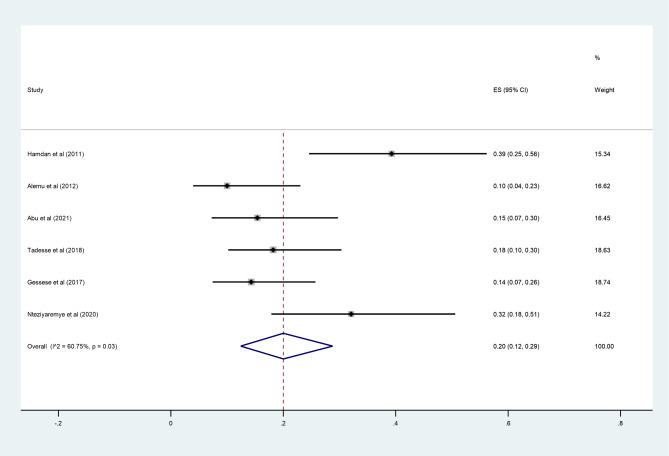
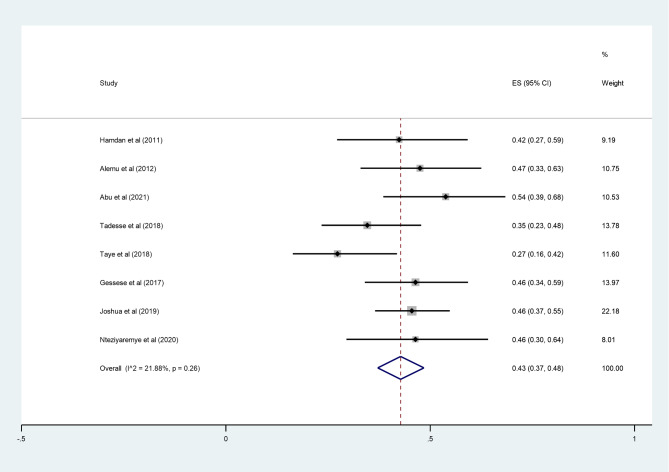
Results: A pooled analysis of antimicrobial resistance (AMR) bacterial isolates from pregnant women in East Africa highlights concerning prevalence rates of various pathogens. Escherichia coli emerged as the most common pathogen, present in 43% (95% CI: 37-48%) of cases, followed by Staphylococcus aureus at 20% (95% CI: 0.12, 0.29) and Corynebacterium, Enterococcus, and Nocardia species (CONs) in 16% (95% CI: 10-23%) and 16% (95% CI: 12-21%) (Prevalence of K. pneumoniae). A very small proportion 6% (95% CI: 2 - 11%) was found to be infected with Pseudomonas aeruginosa. The forest plot highlights risk factors for infections in pregnant women in East Africa: antibiotic use (HR: 2.0, 95% CI: 1.5-2.6), smoking (HR: 1.3, 95% CI: 1.0-1.6), poor sanitation (HR: 1.8, 95% CI: 1.2-2.4), diabetes (HR: 2.1, 95% CI: 1.5-2.8), and age > 30 years (HR: 1.5, 95% CI: 1.1-2.0).
Conclusions: This analysis reveals a significant prevalence of bacterial infections, particularly Escherichia coli, among pregnant women in East Africa, with antimicrobial resistance (AMR) complicating treatment. The study identified several key risk factors, including antibiotic use, smoking, poor sanitation, diabetes, and age over 30, which are associated with higher rates of infection. While these findings emphasize the need for further research, the results suggest that routine bacterial screening, AMR surveillance, improved sanitation, and antibiotic stewardship are important steps in mitigating the impact of these infections. Public health strategies should prioritize high-risk groups, encourage hygiene practices, and continue to guide policy and interventions through ongoing studies.
期刊介绍:
Journal of Health, Population and Nutrition brings together research on all aspects of issues related to population, nutrition and health. The journal publishes articles across a broad range of topics including global health, maternal and child health, nutrition, common illnesses and determinants of population health.





 京公网安备 11010802042870号
京ICP备2023020795号-1
京公网安备 11010802042870号
京ICP备2023020795号-1

 分享
分享
 求助内容:
求助内容: 应助结果提醒方式:
 扫码关注我们
