{"title":"磷化烯:一种对 NH3、CH4 和 H2S 具有选择性吸附和独特 I-V 响应的特殊气体传感器","authors":"S. A. Hosseini","doi":"10.1140/epjb/s10051-025-00899-1","DOIUrl":null,"url":null,"abstract":"<div><p>Recent research on phosphorene synthesis, either single or multilayer, indicates that it has excellent potential for application in small structures. This study used sophisticated computations to examine the adhesion of CH<sub>4</sub>, H<sub>2</sub>S, and NH<sub>3</sub> molecules to a single layer of phosphorene. This study shows that phosphorene sensors are more effective at detecting certain chemicals than other comparable materials like graphene and MoS<sub>2</sub>. After determining the optimal locations for these molecules to bind to phosphorene, discovered that the molecule-to-phosphorene charge transfer is essential for phosphorene's high adsorption capacity. Using a particular method, computed the relationship between the drain current and gate voltage for various gas concentrations on phosphorene. The transport properties show significant changes in the armchair direction of phosphorene, which aligns with its unique electronic structure, indicating major changes in current–voltage behavior when gas molecules are added. High sensitivity to gas adsorption of phosphorene of phosphorene, makes it an excellent gas sensor and shows its potential for use in electronic devices. The structural and electronic calculations in this study were performed using density functional theory with LDA and GGA approximations. The LDA approximation was used for structural optimization, while the GGA approximation was employed for a more accurate description of intermolecular and van der Waals interactions.</p><h3>Graphical abstract</h3>\n<div><figure><div><div><picture><source><img></source></picture></div></div></figure></div></div>","PeriodicalId":787,"journal":{"name":"The European Physical Journal B","volume":"98 4","pages":""},"PeriodicalIF":1.7000,"publicationDate":"2025-04-08","publicationTypes":"Journal Article","fieldsOfStudy":null,"isOpenAccess":false,"openAccessPdf":"","citationCount":"0","resultStr":"{\"title\":\"Phosphorene: an exceptional gas sensor with selective adsorption and distinctive I–V response for NH3, CH4, and H2S\",\"authors\":\"S. A. Hosseini\",\"doi\":\"10.1140/epjb/s10051-025-00899-1\",\"DOIUrl\":null,\"url\":null,\"abstract\":\"<div><p>Recent research on phosphorene synthesis, either single or multilayer, indicates that it has excellent potential for application in small structures. This study used sophisticated computations to examine the adhesion of CH<sub>4</sub>, H<sub>2</sub>S, and NH<sub>3</sub> molecules to a single layer of phosphorene. This study shows that phosphorene sensors are more effective at detecting certain chemicals than other comparable materials like graphene and MoS<sub>2</sub>. After determining the optimal locations for these molecules to bind to phosphorene, discovered that the molecule-to-phosphorene charge transfer is essential for phosphorene's high adsorption capacity. Using a particular method, computed the relationship between the drain current and gate voltage for various gas concentrations on phosphorene. The transport properties show significant changes in the armchair direction of phosphorene, which aligns with its unique electronic structure, indicating major changes in current–voltage behavior when gas molecules are added. High sensitivity to gas adsorption of phosphorene of phosphorene, makes it an excellent gas sensor and shows its potential for use in electronic devices. The structural and electronic calculations in this study were performed using density functional theory with LDA and GGA approximations. The LDA approximation was used for structural optimization, while the GGA approximation was employed for a more accurate description of intermolecular and van der Waals interactions.</p><h3>Graphical abstract</h3>\\n<div><figure><div><div><picture><source><img></source></picture></div></div></figure></div></div>\",\"PeriodicalId\":787,\"journal\":{\"name\":\"The European Physical Journal B\",\"volume\":\"98 4\",\"pages\":\"\"},\"PeriodicalIF\":1.7000,\"publicationDate\":\"2025-04-08\",\"publicationTypes\":\"Journal Article\",\"fieldsOfStudy\":null,\"isOpenAccess\":false,\"openAccessPdf\":\"\",\"citationCount\":\"0\",\"resultStr\":null,\"platform\":\"Semanticscholar\",\"paperid\":null,\"PeriodicalName\":\"The European Physical Journal B\",\"FirstCategoryId\":\"4\",\"ListUrlMain\":\"https://link.springer.com/article/10.1140/epjb/s10051-025-00899-1\",\"RegionNum\":4,\"RegionCategory\":\"物理与天体物理\",\"ArticlePicture\":[],\"TitleCN\":null,\"AbstractTextCN\":null,\"PMCID\":null,\"EPubDate\":\"\",\"PubModel\":\"\",\"JCR\":\"Q3\",\"JCRName\":\"PHYSICS, CONDENSED MATTER\",\"Score\":null,\"Total\":0}","platform":"Semanticscholar","paperid":null,"PeriodicalName":"The European Physical Journal B","FirstCategoryId":"4","ListUrlMain":"https://link.springer.com/article/10.1140/epjb/s10051-025-00899-1","RegionNum":4,"RegionCategory":"物理与天体物理","ArticlePicture":[],"TitleCN":null,"AbstractTextCN":null,"PMCID":null,"EPubDate":"","PubModel":"","JCR":"Q3","JCRName":"PHYSICS, CONDENSED MATTER","Score":null,"Total":0}
Phosphorene: an exceptional gas sensor with selective adsorption and distinctive I–V response for NH3, CH4, and H2S
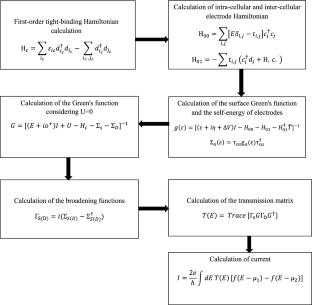
Recent research on phosphorene synthesis, either single or multilayer, indicates that it has excellent potential for application in small structures. This study used sophisticated computations to examine the adhesion of CH4, H2S, and NH3 molecules to a single layer of phosphorene. This study shows that phosphorene sensors are more effective at detecting certain chemicals than other comparable materials like graphene and MoS2. After determining the optimal locations for these molecules to bind to phosphorene, discovered that the molecule-to-phosphorene charge transfer is essential for phosphorene's high adsorption capacity. Using a particular method, computed the relationship between the drain current and gate voltage for various gas concentrations on phosphorene. The transport properties show significant changes in the armchair direction of phosphorene, which aligns with its unique electronic structure, indicating major changes in current–voltage behavior when gas molecules are added. High sensitivity to gas adsorption of phosphorene of phosphorene, makes it an excellent gas sensor and shows its potential for use in electronic devices. The structural and electronic calculations in this study were performed using density functional theory with LDA and GGA approximations. The LDA approximation was used for structural optimization, while the GGA approximation was employed for a more accurate description of intermolecular and van der Waals interactions.





 京公网安备 11010802042870号
京ICP备2023020795号-1
京公网安备 11010802042870号
京ICP备2023020795号-1

 分享
分享
 求助内容:
求助内容: 应助结果提醒方式:
 扫码关注我们
