Katharina M Rischer, Angelika M Dierolf, Fernand Anton, Pedro Montoya, Ana M González-Roldán, Marian van der Meulen
{"title":"在执行功能下降的健康老年人中,安慰剂的镇痛反应减少。","authors":"Katharina M Rischer, Angelika M Dierolf, Fernand Anton, Pedro Montoya, Ana M González-Roldán, Marian van der Meulen","doi":"10.2147/JPR.S488198","DOIUrl":null,"url":null,"abstract":"<p><strong>Purpose: </strong>Aging is accompanied by various changes in pain perception and modulation. However, the influence of older age - and associated neurocognitive changes - on placebo hypoalgesia has not been systematically investigated. Findings to date are inconclusive, ranging from a reduced, to a preserved or even an amplified response in older adults. The aim of this study was to examine age-related changes in the placebo hypoalgesic response magnitude, and the potential modulating effect of executive functions, namely working memory, cognitive flexibility and inhibitory control.</p><p><strong>Methods: </strong>Thirty-nine younger (18-36 years) and 42 healthy older adults (60-82 years) completed a series of executive functioning tests. Placebo hypoalgesic responding was assessed via a sham transcutaneous electrical nerve stimulation (TENS) intervention while participants received moderately painful electrical stimuli to their arm. An electroencephalogram (EEG) was recorded during the placebo paradigm and pain ratings were collected.</p><p><strong>Results: </strong>Overall, both age groups showed similar robust placebo hypoalgesic effects: pain ratings and pain-related brain potentials were significantly reduced in response to the sham treatment. Interestingly, worse executive functions in older adults (in particular, working memory and cognitive flexibility) were associated with reduced placebo responses. Moreover, executive functions also moderated the overall age group difference in placebo hypoalgesia: when cognitive flexibility and inhibitory control scores were low, older adults showed a smaller placebo response than younger adults.</p><p><strong>Conclusion: </strong>We demonstrated an age-related reduction in placebo hypoalgesia in older adults showing a decline in executive functioning. This is an important finding, considering the fact that placebo effects contribute to positive treatment outcomes. Our results advocate the assessment of executive functions when investigating the influence of aging on placebo effects, as variable aging trajectories of decline may influence overall group comparisons.</p>","PeriodicalId":16661,"journal":{"name":"Journal of Pain Research","volume":"18 ","pages":"1747-1763"},"PeriodicalIF":3.1000,"publicationDate":"2025-04-01","publicationTypes":"Journal Article","fieldsOfStudy":null,"isOpenAccess":false,"openAccessPdf":"https://www.ncbi.nlm.nih.gov/pmc/articles/PMC11971971/pdf/","citationCount":"0","resultStr":"{\"title\":\"The Placebo Hypoalgesic Response Is Reduced in Healthy Older Adults Showing a Decline in Executive Functioning.\",\"authors\":\"Katharina M Rischer, Angelika M Dierolf, Fernand Anton, Pedro Montoya, Ana M González-Roldán, Marian van der Meulen\",\"doi\":\"10.2147/JPR.S488198\",\"DOIUrl\":null,\"url\":null,\"abstract\":\"<p><strong>Purpose: </strong>Aging is accompanied by various changes in pain perception and modulation. However, the influence of older age - and associated neurocognitive changes - on placebo hypoalgesia has not been systematically investigated. Findings to date are inconclusive, ranging from a reduced, to a preserved or even an amplified response in older adults. The aim of this study was to examine age-related changes in the placebo hypoalgesic response magnitude, and the potential modulating effect of executive functions, namely working memory, cognitive flexibility and inhibitory control.</p><p><strong>Methods: </strong>Thirty-nine younger (18-36 years) and 42 healthy older adults (60-82 years) completed a series of executive functioning tests. Placebo hypoalgesic responding was assessed via a sham transcutaneous electrical nerve stimulation (TENS) intervention while participants received moderately painful electrical stimuli to their arm. An electroencephalogram (EEG) was recorded during the placebo paradigm and pain ratings were collected.</p><p><strong>Results: </strong>Overall, both age groups showed similar robust placebo hypoalgesic effects: pain ratings and pain-related brain potentials were significantly reduced in response to the sham treatment. Interestingly, worse executive functions in older adults (in particular, working memory and cognitive flexibility) were associated with reduced placebo responses. Moreover, executive functions also moderated the overall age group difference in placebo hypoalgesia: when cognitive flexibility and inhibitory control scores were low, older adults showed a smaller placebo response than younger adults.</p><p><strong>Conclusion: </strong>We demonstrated an age-related reduction in placebo hypoalgesia in older adults showing a decline in executive functioning. This is an important finding, considering the fact that placebo effects contribute to positive treatment outcomes. Our results advocate the assessment of executive functions when investigating the influence of aging on placebo effects, as variable aging trajectories of decline may influence overall group comparisons.</p>\",\"PeriodicalId\":16661,\"journal\":{\"name\":\"Journal of Pain Research\",\"volume\":\"18 \",\"pages\":\"1747-1763\"},\"PeriodicalIF\":3.1000,\"publicationDate\":\"2025-04-01\",\"publicationTypes\":\"Journal Article\",\"fieldsOfStudy\":null,\"isOpenAccess\":false,\"openAccessPdf\":\"https://www.ncbi.nlm.nih.gov/pmc/articles/PMC11971971/pdf/\",\"citationCount\":\"0\",\"resultStr\":null,\"platform\":\"Semanticscholar\",\"paperid\":null,\"PeriodicalName\":\"Journal of Pain Research\",\"FirstCategoryId\":\"3\",\"ListUrlMain\":\"https://doi.org/10.2147/JPR.S488198\",\"RegionNum\":3,\"RegionCategory\":\"医学\",\"ArticlePicture\":[],\"TitleCN\":null,\"AbstractTextCN\":null,\"PMCID\":null,\"EPubDate\":\"2025/1/1 0:00:00\",\"PubModel\":\"eCollection\",\"JCR\":\"Q2\",\"JCRName\":\"CLINICAL NEUROLOGY\",\"Score\":null,\"Total\":0}","platform":"Semanticscholar","paperid":null,"PeriodicalName":"Journal of Pain Research","FirstCategoryId":"3","ListUrlMain":"https://doi.org/10.2147/JPR.S488198","RegionNum":3,"RegionCategory":"医学","ArticlePicture":[],"TitleCN":null,"AbstractTextCN":null,"PMCID":null,"EPubDate":"2025/1/1 0:00:00","PubModel":"eCollection","JCR":"Q2","JCRName":"CLINICAL NEUROLOGY","Score":null,"Total":0}
The Placebo Hypoalgesic Response Is Reduced in Healthy Older Adults Showing a Decline in Executive Functioning.
Purpose: Aging is accompanied by various changes in pain perception and modulation. However, the influence of older age - and associated neurocognitive changes - on placebo hypoalgesia has not been systematically investigated. Findings to date are inconclusive, ranging from a reduced, to a preserved or even an amplified response in older adults. The aim of this study was to examine age-related changes in the placebo hypoalgesic response magnitude, and the potential modulating effect of executive functions, namely working memory, cognitive flexibility and inhibitory control.
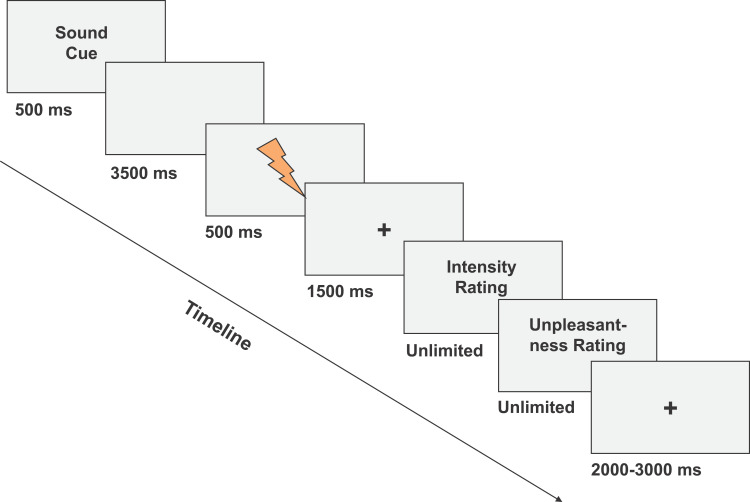
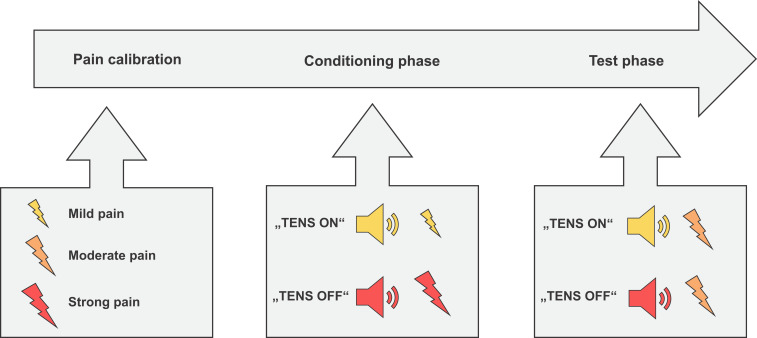
Methods: Thirty-nine younger (18-36 years) and 42 healthy older adults (60-82 years) completed a series of executive functioning tests. Placebo hypoalgesic responding was assessed via a sham transcutaneous electrical nerve stimulation (TENS) intervention while participants received moderately painful electrical stimuli to their arm. An electroencephalogram (EEG) was recorded during the placebo paradigm and pain ratings were collected.
Results: Overall, both age groups showed similar robust placebo hypoalgesic effects: pain ratings and pain-related brain potentials were significantly reduced in response to the sham treatment. Interestingly, worse executive functions in older adults (in particular, working memory and cognitive flexibility) were associated with reduced placebo responses. Moreover, executive functions also moderated the overall age group difference in placebo hypoalgesia: when cognitive flexibility and inhibitory control scores were low, older adults showed a smaller placebo response than younger adults.
Conclusion: We demonstrated an age-related reduction in placebo hypoalgesia in older adults showing a decline in executive functioning. This is an important finding, considering the fact that placebo effects contribute to positive treatment outcomes. Our results advocate the assessment of executive functions when investigating the influence of aging on placebo effects, as variable aging trajectories of decline may influence overall group comparisons.
期刊介绍:
Journal of Pain Research is an international, peer-reviewed, open access journal that welcomes laboratory and clinical findings in the fields of pain research and the prevention and management of pain. Original research, reviews, symposium reports, hypothesis formation and commentaries are all considered for publication. Additionally, the journal now welcomes the submission of pain-policy-related editorials and commentaries, particularly in regard to ethical, regulatory, forensic, and other legal issues in pain medicine, and to the education of pain practitioners and researchers.






 京公网安备 11010802042870号
京ICP备2023020795号-1
京公网安备 11010802042870号
京ICP备2023020795号-1

 分享
分享
 求助内容:
求助内容: 应助结果提醒方式:
 扫码关注我们
