Mengyi Du, Rosanna Tryphene Massounga Mayombo, Jiachen Liu, Yinqiang Zhang, Danying Liao, Yu Hu, Heng Mei
{"title":"肥胖及其相关基础疾病对细胞因子释放综合征的影响及CAR-T疗法治疗b细胞恶性肿瘤的疗效","authors":"Mengyi Du, Rosanna Tryphene Massounga Mayombo, Jiachen Liu, Yinqiang Zhang, Danying Liao, Yu Hu, Heng Mei","doi":"10.1007/s00277-025-06338-6","DOIUrl":null,"url":null,"abstract":"<p><p>Chimeric Antigen Receptor T-cell (CAR-T) therapy has revolutionized treatment for relapsed/refractory B-cell malignancies, including B-cell Acute Lymphoblastic Leukemia (B-ALL) and Diffuse Large B-Cell Lymphoma (DLBCL). However, the influence of obesity and related comorbidities on treatment outcomes and toxicity profiles remains unclear. This retrospective study included 115 patients treated with CAR-T therapy at Union Hospital, Tongji Medical College, Huazhong University of Science and Technology from 2017 to October 2023. Patients were stratified into high-risk and low-risk groups based on Body Mass Index (BMI) and the presence of obesity-related comorbidities. Clinical outcomes, including Cytokine Release Syndrome (CRS) and Immune effector Cell-Associated Neurotoxicity Syndrome (ICANS) severity, treatment efficacy, Overall Survival (OS), and Progression-Free Survival (PFS), were analyzed. Logistic regression models assessed the relationships between covariates and clinical outcomes. The median BMI was 21.91 (IQR 19.265-24.365). Among the patients, 32 were overweight, and only one had a BMI over 30. Severe CRS occurred in 16 patients, with a higher proportion in those with obesity or related conditions (10.4% vs. 3.5%, p = 0.01). Hyperlipidemia significantly increased the risk of severe CRS (OR = 3.730, CI [1.204-11.556], p = 0.022). However, being overweight, having diabetes, hypertension, coronary heart disease, or fatty liver were not significantly associated with severe CRS. Elevated total cholesterol was moderately correlated with increased Interleukin 6 (IL-6) levels (R = 0.637, p < 0.001) and weakly with Interferon gamma (IFN-γ) (R = 0.337, p < 0.001). Besides, overweight patients had a lower proportion of CAR-T cells post-infusion (OR = 0.98, CI [0.961-1.0], p = 0.048). Obesity and related comorbidities did not significantly impact treatment efficacy. However, hyperlipidemia was associated with an increased risk of severe CRS, emphasizing the need for tailored risk management strategies in CAR-T therapy. Clinical trial: NCT02965092/ NCT03366350/ NCT04008251(ClinicalTrials.gov).</p>","PeriodicalId":8068,"journal":{"name":"Annals of Hematology","volume":" ","pages":"1887-1895"},"PeriodicalIF":2.4000,"publicationDate":"2025-03-01","publicationTypes":"Journal Article","fieldsOfStudy":null,"isOpenAccess":false,"openAccessPdf":"https://www.ncbi.nlm.nih.gov/pmc/articles/PMC12031977/pdf/","citationCount":"0","resultStr":"{\"title\":\"The impact of obesity and its related underlying diseases on cytokine release syndrome and the efficacy of CAR-T therapy in treating B-cell malignancies.\",\"authors\":\"Mengyi Du, Rosanna Tryphene Massounga Mayombo, Jiachen Liu, Yinqiang Zhang, Danying Liao, Yu Hu, Heng Mei\",\"doi\":\"10.1007/s00277-025-06338-6\",\"DOIUrl\":null,\"url\":null,\"abstract\":\"<p><p>Chimeric Antigen Receptor T-cell (CAR-T) therapy has revolutionized treatment for relapsed/refractory B-cell malignancies, including B-cell Acute Lymphoblastic Leukemia (B-ALL) and Diffuse Large B-Cell Lymphoma (DLBCL). However, the influence of obesity and related comorbidities on treatment outcomes and toxicity profiles remains unclear. This retrospective study included 115 patients treated with CAR-T therapy at Union Hospital, Tongji Medical College, Huazhong University of Science and Technology from 2017 to October 2023. Patients were stratified into high-risk and low-risk groups based on Body Mass Index (BMI) and the presence of obesity-related comorbidities. Clinical outcomes, including Cytokine Release Syndrome (CRS) and Immune effector Cell-Associated Neurotoxicity Syndrome (ICANS) severity, treatment efficacy, Overall Survival (OS), and Progression-Free Survival (PFS), were analyzed. Logistic regression models assessed the relationships between covariates and clinical outcomes. The median BMI was 21.91 (IQR 19.265-24.365). Among the patients, 32 were overweight, and only one had a BMI over 30. Severe CRS occurred in 16 patients, with a higher proportion in those with obesity or related conditions (10.4% vs. 3.5%, p = 0.01). Hyperlipidemia significantly increased the risk of severe CRS (OR = 3.730, CI [1.204-11.556], p = 0.022). However, being overweight, having diabetes, hypertension, coronary heart disease, or fatty liver were not significantly associated with severe CRS. Elevated total cholesterol was moderately correlated with increased Interleukin 6 (IL-6) levels (R = 0.637, p < 0.001) and weakly with Interferon gamma (IFN-γ) (R = 0.337, p < 0.001). Besides, overweight patients had a lower proportion of CAR-T cells post-infusion (OR = 0.98, CI [0.961-1.0], p = 0.048). Obesity and related comorbidities did not significantly impact treatment efficacy. However, hyperlipidemia was associated with an increased risk of severe CRS, emphasizing the need for tailored risk management strategies in CAR-T therapy. Clinical trial: NCT02965092/ NCT03366350/ NCT04008251(ClinicalTrials.gov).</p>\",\"PeriodicalId\":8068,\"journal\":{\"name\":\"Annals of Hematology\",\"volume\":\" \",\"pages\":\"1887-1895\"},\"PeriodicalIF\":2.4000,\"publicationDate\":\"2025-03-01\",\"publicationTypes\":\"Journal Article\",\"fieldsOfStudy\":null,\"isOpenAccess\":false,\"openAccessPdf\":\"https://www.ncbi.nlm.nih.gov/pmc/articles/PMC12031977/pdf/\",\"citationCount\":\"0\",\"resultStr\":null,\"platform\":\"Semanticscholar\",\"paperid\":null,\"PeriodicalName\":\"Annals of Hematology\",\"FirstCategoryId\":\"3\",\"ListUrlMain\":\"https://doi.org/10.1007/s00277-025-06338-6\",\"RegionNum\":3,\"RegionCategory\":\"医学\",\"ArticlePicture\":[],\"TitleCN\":null,\"AbstractTextCN\":null,\"PMCID\":null,\"EPubDate\":\"2025/4/8 0:00:00\",\"PubModel\":\"Epub\",\"JCR\":\"Q2\",\"JCRName\":\"HEMATOLOGY\",\"Score\":null,\"Total\":0}","platform":"Semanticscholar","paperid":null,"PeriodicalName":"Annals of Hematology","FirstCategoryId":"3","ListUrlMain":"https://doi.org/10.1007/s00277-025-06338-6","RegionNum":3,"RegionCategory":"医学","ArticlePicture":[],"TitleCN":null,"AbstractTextCN":null,"PMCID":null,"EPubDate":"2025/4/8 0:00:00","PubModel":"Epub","JCR":"Q2","JCRName":"HEMATOLOGY","Score":null,"Total":0}
引用次数: 0
摘要
嵌合抗原受体t细胞(CAR-T)疗法已经彻底改变了复发/难治性b细胞恶性肿瘤的治疗,包括b细胞急性淋巴细胞白血病(B-ALL)和弥漫性大b细胞淋巴瘤(DLBCL)。然而,肥胖和相关合并症对治疗结果和毒性的影响尚不清楚。本回顾性研究纳入了2017年至2023年10月在华中科技大学同济医学院协和医院接受CAR-T治疗的115例患者。根据体重指数(BMI)和肥胖相关合并症的存在,将患者分为高风险和低风险组。分析临床结果,包括细胞因子释放综合征(CRS)和免疫效应细胞相关神经毒性综合征(ICANS)严重程度、治疗疗效、总生存期(OS)和无进展生存期(PFS)。Logistic回归模型评估协变量与临床结果之间的关系。BMI中位数为21.91 (IQR 19.265-24.365)。在这些患者中,32人超重,只有1人的BMI超过30。16例患者发生了严重的CRS,肥胖或相关疾病患者的比例更高(10.4%比3.5%,p = 0.01)。高脂血症显著增加严重CRS的发生风险(OR = 3.730, CI [1.204 ~ 11.556], p = 0.022)。然而,超重、糖尿病、高血压、冠心病或脂肪肝与严重CRS没有显著相关性。总胆固醇升高与白细胞介素6 (IL-6)水平升高中度相关(R = 0.637, p
The impact of obesity and its related underlying diseases on cytokine release syndrome and the efficacy of CAR-T therapy in treating B-cell malignancies.
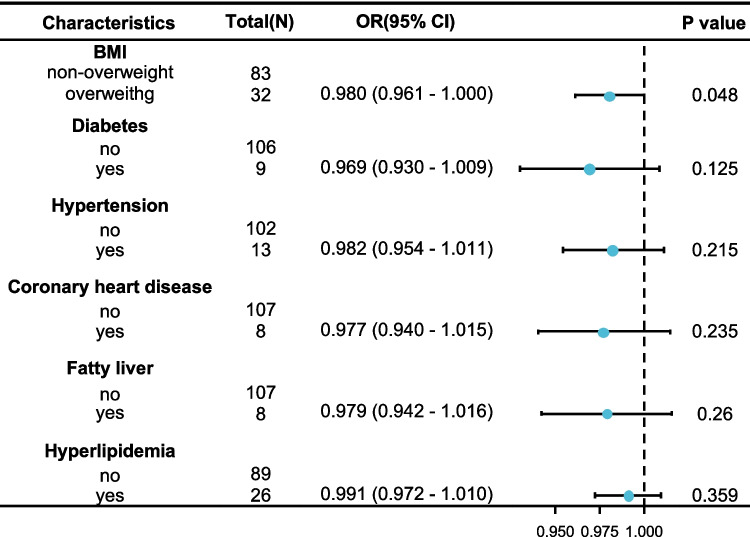
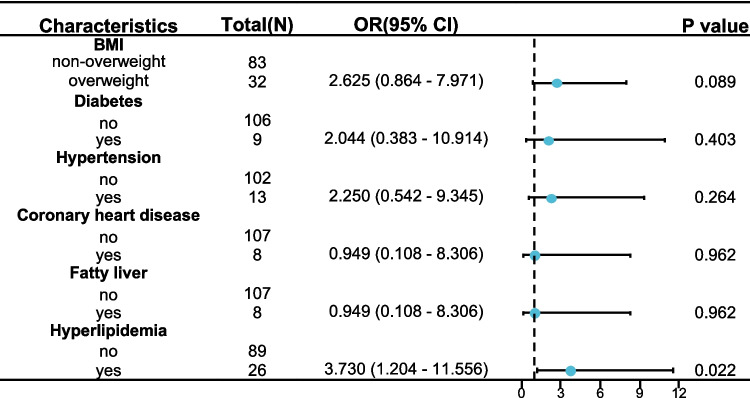
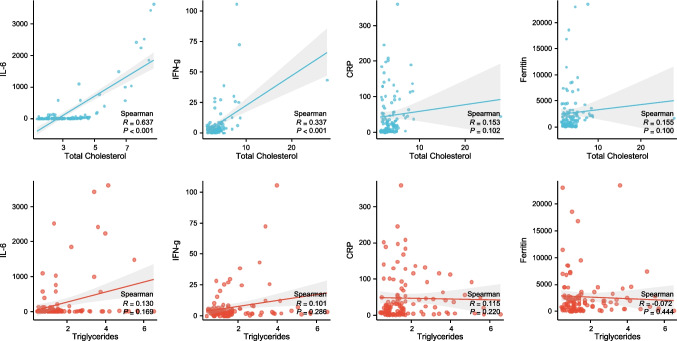
Chimeric Antigen Receptor T-cell (CAR-T) therapy has revolutionized treatment for relapsed/refractory B-cell malignancies, including B-cell Acute Lymphoblastic Leukemia (B-ALL) and Diffuse Large B-Cell Lymphoma (DLBCL). However, the influence of obesity and related comorbidities on treatment outcomes and toxicity profiles remains unclear. This retrospective study included 115 patients treated with CAR-T therapy at Union Hospital, Tongji Medical College, Huazhong University of Science and Technology from 2017 to October 2023. Patients were stratified into high-risk and low-risk groups based on Body Mass Index (BMI) and the presence of obesity-related comorbidities. Clinical outcomes, including Cytokine Release Syndrome (CRS) and Immune effector Cell-Associated Neurotoxicity Syndrome (ICANS) severity, treatment efficacy, Overall Survival (OS), and Progression-Free Survival (PFS), were analyzed. Logistic regression models assessed the relationships between covariates and clinical outcomes. The median BMI was 21.91 (IQR 19.265-24.365). Among the patients, 32 were overweight, and only one had a BMI over 30. Severe CRS occurred in 16 patients, with a higher proportion in those with obesity or related conditions (10.4% vs. 3.5%, p = 0.01). Hyperlipidemia significantly increased the risk of severe CRS (OR = 3.730, CI [1.204-11.556], p = 0.022). However, being overweight, having diabetes, hypertension, coronary heart disease, or fatty liver were not significantly associated with severe CRS. Elevated total cholesterol was moderately correlated with increased Interleukin 6 (IL-6) levels (R = 0.637, p < 0.001) and weakly with Interferon gamma (IFN-γ) (R = 0.337, p < 0.001). Besides, overweight patients had a lower proportion of CAR-T cells post-infusion (OR = 0.98, CI [0.961-1.0], p = 0.048). Obesity and related comorbidities did not significantly impact treatment efficacy. However, hyperlipidemia was associated with an increased risk of severe CRS, emphasizing the need for tailored risk management strategies in CAR-T therapy. Clinical trial: NCT02965092/ NCT03366350/ NCT04008251(ClinicalTrials.gov).
期刊介绍:
Annals of Hematology covers the whole spectrum of clinical and experimental hematology, hemostaseology, blood transfusion, and related aspects of medical oncology, including diagnosis and treatment of leukemias, lymphatic neoplasias and solid tumors, and transplantation of hematopoietic stem cells. Coverage includes general aspects of oncology, molecular biology and immunology as pertinent to problems of human blood disease. The journal is associated with the German Society for Hematology and Medical Oncology, and the Austrian Society for Hematology and Oncology.







 京公网安备 11010802042870号
京ICP备2023020795号-1
京公网安备 11010802042870号
京ICP备2023020795号-1

 分享
分享
 求助内容:
求助内容: 应助结果提醒方式:
 扫码关注我们
