{"title":"重新思考GWAS:基因筛选和人工智能的教训如何揭示生物机制。","authors":"Dennis J Hazelett","doi":"10.1093/bioinformatics/btaf153","DOIUrl":null,"url":null,"abstract":"<p><strong>Motivation: </strong>Modern single-cell omics data are key to unraveling the complex mechanisms underlying risk for complex diseases revealed by genome-wide association studies (GWAS). Phenotypic screens in model organisms have several important parallels to GWAS which the author explores in this essay.</p><p><strong>Results: </strong>The author provides the historical context of such screens, comparing and contrasting similarities to association studies, and how these screens in model organisms can teach us what to look for. Then the author considers how the results of GWAS might be exhaustively interrogated to interpret the biological mechanisms underpinning disease processes. Finally, the author proposes a general framework for tackling this problem computationally, and explore the data, mechanisms, and technology (both existing and yet to be invented) that are necessary to complete the task.</p><p><strong>Availability and implementation: </strong>There are no data or code associated with this article.</p>","PeriodicalId":93899,"journal":{"name":"Bioinformatics (Oxford, England)","volume":" ","pages":""},"PeriodicalIF":5.4000,"publicationDate":"2025-03-29","publicationTypes":"Journal Article","fieldsOfStudy":null,"isOpenAccess":false,"openAccessPdf":"https://www.ncbi.nlm.nih.gov/pmc/articles/PMC12014097/pdf/","citationCount":"0","resultStr":"{\"title\":\"Rethinking GWAS: how lessons from genetic screens and artificial intelligence could reveal biological mechanisms.\",\"authors\":\"Dennis J Hazelett\",\"doi\":\"10.1093/bioinformatics/btaf153\",\"DOIUrl\":null,\"url\":null,\"abstract\":\"<p><strong>Motivation: </strong>Modern single-cell omics data are key to unraveling the complex mechanisms underlying risk for complex diseases revealed by genome-wide association studies (GWAS). Phenotypic screens in model organisms have several important parallels to GWAS which the author explores in this essay.</p><p><strong>Results: </strong>The author provides the historical context of such screens, comparing and contrasting similarities to association studies, and how these screens in model organisms can teach us what to look for. Then the author considers how the results of GWAS might be exhaustively interrogated to interpret the biological mechanisms underpinning disease processes. Finally, the author proposes a general framework for tackling this problem computationally, and explore the data, mechanisms, and technology (both existing and yet to be invented) that are necessary to complete the task.</p><p><strong>Availability and implementation: </strong>There are no data or code associated with this article.</p>\",\"PeriodicalId\":93899,\"journal\":{\"name\":\"Bioinformatics (Oxford, England)\",\"volume\":\" \",\"pages\":\"\"},\"PeriodicalIF\":5.4000,\"publicationDate\":\"2025-03-29\",\"publicationTypes\":\"Journal Article\",\"fieldsOfStudy\":null,\"isOpenAccess\":false,\"openAccessPdf\":\"https://www.ncbi.nlm.nih.gov/pmc/articles/PMC12014097/pdf/\",\"citationCount\":\"0\",\"resultStr\":null,\"platform\":\"Semanticscholar\",\"paperid\":null,\"PeriodicalName\":\"Bioinformatics (Oxford, England)\",\"FirstCategoryId\":\"1085\",\"ListUrlMain\":\"https://doi.org/10.1093/bioinformatics/btaf153\",\"RegionNum\":0,\"RegionCategory\":null,\"ArticlePicture\":[],\"TitleCN\":null,\"AbstractTextCN\":null,\"PMCID\":null,\"EPubDate\":\"\",\"PubModel\":\"\",\"JCR\":\"\",\"JCRName\":\"\",\"Score\":null,\"Total\":0}","platform":"Semanticscholar","paperid":null,"PeriodicalName":"Bioinformatics (Oxford, England)","FirstCategoryId":"1085","ListUrlMain":"https://doi.org/10.1093/bioinformatics/btaf153","RegionNum":0,"RegionCategory":null,"ArticlePicture":[],"TitleCN":null,"AbstractTextCN":null,"PMCID":null,"EPubDate":"","PubModel":"","JCR":"","JCRName":"","Score":null,"Total":0}
Rethinking GWAS: how lessons from genetic screens and artificial intelligence could reveal biological mechanisms.
Motivation: Modern single-cell omics data are key to unraveling the complex mechanisms underlying risk for complex diseases revealed by genome-wide association studies (GWAS). Phenotypic screens in model organisms have several important parallels to GWAS which the author explores in this essay.
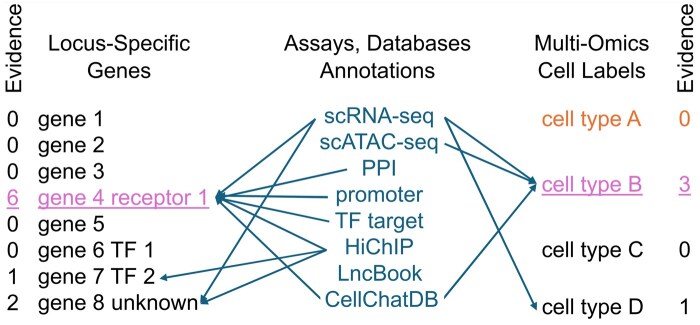
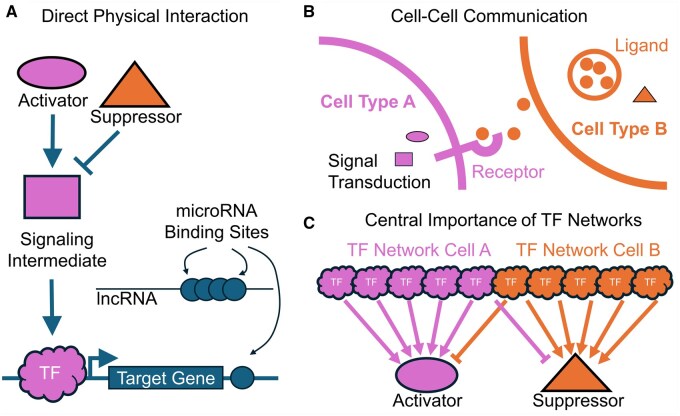
Results: The author provides the historical context of such screens, comparing and contrasting similarities to association studies, and how these screens in model organisms can teach us what to look for. Then the author considers how the results of GWAS might be exhaustively interrogated to interpret the biological mechanisms underpinning disease processes. Finally, the author proposes a general framework for tackling this problem computationally, and explore the data, mechanisms, and technology (both existing and yet to be invented) that are necessary to complete the task.
Availability and implementation: There are no data or code associated with this article.




 京公网安备 11010802042870号
京ICP备2023020795号-1
京公网安备 11010802042870号
京ICP备2023020795号-1

 分享
分享

 求助内容:
求助内容: 应助结果提醒方式:
 扫码关注我们
