{"title":"调查聚对苯二甲酸乙二醇酯饮料包装:回收内容对乙醛,苯和其他污染物的影响","authors":"Xiaoning Shen, Yvonne Hed, Steffen Annfinsen, Naveen Singh, Hany Anwar, Bavan Mylvaganam, Thor Kamfjord, Åsa Emmer","doi":"10.1007/s10924-025-03544-1","DOIUrl":null,"url":null,"abstract":"<div><p>Polyethylene terephthalate (PET) is commonly used in beverage packaging and can be recycled to reduce plastic pollution, raising concerns regarding non-intentionally added substances (NIAS). Here, two organic NIAS, acetaldehyde and benzene, and metal elements have been examined in PET materials. Elemental analysis revealed that higher recycled content in PET correlated with increased contaminant levels. Moreover, elevated acetaldehyde and benzene concentrations were noticed. PET degradation, intentional addition, and unknown sources complicate the analysis of the effects of the production, recycling, and storage on the introduction, formation, or migration of NIAS in PET materials. Benzene and acetaldehyde could migrate into beverages or the environment during storage. The migration of these two volatile substances was therefore quantified. Despite their presence in all PET materials, the low concentrations of acetaldehyde and benzene detected alleviate potential health concerns. This research contributes to the understanding of how recycling and recycled content impact the presence of NIAS in PET, offering insights for optimizing recycling practices and sustaining the role of PET in environmentally responsible beverage packaging.</p></div>","PeriodicalId":659,"journal":{"name":"Journal of Polymers and the Environment","volume":"33 5","pages":"2362 - 2370"},"PeriodicalIF":5.6000,"publicationDate":"2025-03-01","publicationTypes":"Journal Article","fieldsOfStudy":null,"isOpenAccess":false,"openAccessPdf":"https://link.springer.com/content/pdf/10.1007/s10924-025-03544-1.pdf","citationCount":"0","resultStr":"{\"title\":\"Investigating Polyethylene Terephthalate Beverage Packaging: Impact of Recycled Content on Acetaldehyde, Benzene, and Other Contaminants\",\"authors\":\"Xiaoning Shen, Yvonne Hed, Steffen Annfinsen, Naveen Singh, Hany Anwar, Bavan Mylvaganam, Thor Kamfjord, Åsa Emmer\",\"doi\":\"10.1007/s10924-025-03544-1\",\"DOIUrl\":null,\"url\":null,\"abstract\":\"<div><p>Polyethylene terephthalate (PET) is commonly used in beverage packaging and can be recycled to reduce plastic pollution, raising concerns regarding non-intentionally added substances (NIAS). Here, two organic NIAS, acetaldehyde and benzene, and metal elements have been examined in PET materials. Elemental analysis revealed that higher recycled content in PET correlated with increased contaminant levels. Moreover, elevated acetaldehyde and benzene concentrations were noticed. PET degradation, intentional addition, and unknown sources complicate the analysis of the effects of the production, recycling, and storage on the introduction, formation, or migration of NIAS in PET materials. Benzene and acetaldehyde could migrate into beverages or the environment during storage. The migration of these two volatile substances was therefore quantified. Despite their presence in all PET materials, the low concentrations of acetaldehyde and benzene detected alleviate potential health concerns. This research contributes to the understanding of how recycling and recycled content impact the presence of NIAS in PET, offering insights for optimizing recycling practices and sustaining the role of PET in environmentally responsible beverage packaging.</p></div>\",\"PeriodicalId\":659,\"journal\":{\"name\":\"Journal of Polymers and the Environment\",\"volume\":\"33 5\",\"pages\":\"2362 - 2370\"},\"PeriodicalIF\":5.6000,\"publicationDate\":\"2025-03-01\",\"publicationTypes\":\"Journal Article\",\"fieldsOfStudy\":null,\"isOpenAccess\":false,\"openAccessPdf\":\"https://link.springer.com/content/pdf/10.1007/s10924-025-03544-1.pdf\",\"citationCount\":\"0\",\"resultStr\":null,\"platform\":\"Semanticscholar\",\"paperid\":null,\"PeriodicalName\":\"Journal of Polymers and the Environment\",\"FirstCategoryId\":\"5\",\"ListUrlMain\":\"https://link.springer.com/article/10.1007/s10924-025-03544-1\",\"RegionNum\":3,\"RegionCategory\":\"工程技术\",\"ArticlePicture\":[],\"TitleCN\":null,\"AbstractTextCN\":null,\"PMCID\":null,\"EPubDate\":\"\",\"PubModel\":\"\",\"JCR\":\"Q2\",\"JCRName\":\"ENGINEERING, ENVIRONMENTAL\",\"Score\":null,\"Total\":0}","platform":"Semanticscholar","paperid":null,"PeriodicalName":"Journal of Polymers and the Environment","FirstCategoryId":"5","ListUrlMain":"https://link.springer.com/article/10.1007/s10924-025-03544-1","RegionNum":3,"RegionCategory":"工程技术","ArticlePicture":[],"TitleCN":null,"AbstractTextCN":null,"PMCID":null,"EPubDate":"","PubModel":"","JCR":"Q2","JCRName":"ENGINEERING, ENVIRONMENTAL","Score":null,"Total":0}
引用次数: 0
摘要
聚对苯二甲酸乙二醇酯(PET)常用于饮料包装,可回收利用以减少塑料污染,这引起了人们对非有意添加物质(NIAS)的关注。本文研究了 PET 材料中的两种有机非有意添加物质(乙醛和苯)和金属元素。元素分析表明,聚对苯二甲酸乙二酯中的回收含量越高,污染物的含量就越高。此外,还发现乙醛和苯的浓度升高。PET 降解、有意添加和未知来源使得分析生产、再循环和储存对 PET 材料中 NIAS 的引入、形成或迁移的影响变得更加复杂。苯和乙醛可能在储存过程中迁移到饮料或环境中。因此,对这两种挥发性物质的迁移进行了量化。尽管所有 PET 材料中都含有这两种物质,但检测到的乙醛和苯的浓度较低,这减轻了对健康的潜在担忧。这项研究有助于人们了解再循环和再循环成分如何影响 PET 中 NIAS 的存在,为优化再循环实践和保持 PET 在对环境负责的饮料包装中的作用提供了启示。
Investigating Polyethylene Terephthalate Beverage Packaging: Impact of Recycled Content on Acetaldehyde, Benzene, and Other Contaminants
Polyethylene terephthalate (PET) is commonly used in beverage packaging and can be recycled to reduce plastic pollution, raising concerns regarding non-intentionally added substances (NIAS). Here, two organic NIAS, acetaldehyde and benzene, and metal elements have been examined in PET materials. Elemental analysis revealed that higher recycled content in PET correlated with increased contaminant levels. Moreover, elevated acetaldehyde and benzene concentrations were noticed. PET degradation, intentional addition, and unknown sources complicate the analysis of the effects of the production, recycling, and storage on the introduction, formation, or migration of NIAS in PET materials. Benzene and acetaldehyde could migrate into beverages or the environment during storage. The migration of these two volatile substances was therefore quantified. Despite their presence in all PET materials, the low concentrations of acetaldehyde and benzene detected alleviate potential health concerns. This research contributes to the understanding of how recycling and recycled content impact the presence of NIAS in PET, offering insights for optimizing recycling practices and sustaining the role of PET in environmentally responsible beverage packaging.
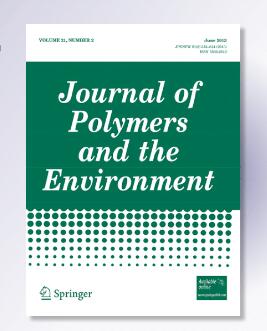
期刊介绍:
The Journal of Polymers and the Environment fills the need for an international forum in this diverse and rapidly expanding field. The journal serves a crucial role for the publication of information from a wide range of disciplines and is a central outlet for the publication of high-quality peer-reviewed original papers, review articles and short communications. The journal is intentionally interdisciplinary in regard to contributions and covers the following subjects - polymers, environmentally degradable polymers, and degradation pathways: biological, photochemical, oxidative and hydrolytic; new environmental materials: derived by chemical and biosynthetic routes; environmental blends and composites; developments in processing and reactive processing of environmental polymers; characterization of environmental materials: mechanical, physical, thermal, rheological, morphological, and others; recyclable polymers and plastics recycling environmental testing: in-laboratory simulations, outdoor exposures, and standardization of methodologies; environmental fate: end products and intermediates of biodegradation; microbiology and enzymology of polymer biodegradation; solid-waste management and public legislation specific to environmental polymers; and other related topics.




 京公网安备 11010802042870号
京ICP备2023020795号-1
京公网安备 11010802042870号
京ICP备2023020795号-1

 分享
分享
 求助内容:
求助内容: 应助结果提醒方式:
 扫码关注我们
