{"title":"一个了解艾滋病相关污名和艾滋病孤儿心理社会福利的模型:一种理论生成方法。","authors":"Z Yassin, C Erasmus, J Frantz","doi":"10.1080/17290376.2021.1989023","DOIUrl":null,"url":null,"abstract":"<p><p>HIV-related stigma has negatively impacted the psychosocial well-being of children who have been orphaned by AIDS-related causes. Response to reducing stigma and ensuring child well-being is hindered by the limited understanding of HIV-related stigma and how it affects the psychosocial well-being of children. Due to the call for a comprehensive understanding of HIV-related stigma, this study aimed to develop a model to understand the manner in which HIV-related stigma affects the psychosocial well-being of children orphaned by AIDS. The study implemented a mixed method, exploratory, sequential design within a theory generative approach that included concept development, statement development, model description, and model evaluation. The developed model indicated that HIV-related stigma is embedded in social interaction and mediated by children orphaned by AIDS response to stigma. HIV-related stigma and maladaptive coping strategies collectively affect several domains of child psychosocial well-being and elevate psychosocial distress. This is the first model to provide a child-centred understanding of HIV-related stigma and its consequences for psychosocial well-being. The model may be used to guide future research and inform the development of appropriate interventions.</p>","PeriodicalId":0,"journal":{"name":"","volume":" ","pages":"131-148"},"PeriodicalIF":0.0,"publicationDate":"2021-12-01","publicationTypes":"Journal Article","fieldsOfStudy":null,"isOpenAccess":false,"openAccessPdf":"https://www.ncbi.nlm.nih.gov/pmc/articles/PMC8525949/pdf/","citationCount":"0","resultStr":"{\"title\":\"A model to understand HIV-related stigma and the psychosocial well-being of children orphaned by AIDS: a theory generative approach.\",\"authors\":\"Z Yassin, C Erasmus, J Frantz\",\"doi\":\"10.1080/17290376.2021.1989023\",\"DOIUrl\":null,\"url\":null,\"abstract\":\"<p><p>HIV-related stigma has negatively impacted the psychosocial well-being of children who have been orphaned by AIDS-related causes. Response to reducing stigma and ensuring child well-being is hindered by the limited understanding of HIV-related stigma and how it affects the psychosocial well-being of children. Due to the call for a comprehensive understanding of HIV-related stigma, this study aimed to develop a model to understand the manner in which HIV-related stigma affects the psychosocial well-being of children orphaned by AIDS. The study implemented a mixed method, exploratory, sequential design within a theory generative approach that included concept development, statement development, model description, and model evaluation. The developed model indicated that HIV-related stigma is embedded in social interaction and mediated by children orphaned by AIDS response to stigma. HIV-related stigma and maladaptive coping strategies collectively affect several domains of child psychosocial well-being and elevate psychosocial distress. This is the first model to provide a child-centred understanding of HIV-related stigma and its consequences for psychosocial well-being. The model may be used to guide future research and inform the development of appropriate interventions.</p>\",\"PeriodicalId\":0,\"journal\":{\"name\":\"\",\"volume\":\" \",\"pages\":\"131-148\"},\"PeriodicalIF\":0.0,\"publicationDate\":\"2021-12-01\",\"publicationTypes\":\"Journal Article\",\"fieldsOfStudy\":null,\"isOpenAccess\":false,\"openAccessPdf\":\"https://www.ncbi.nlm.nih.gov/pmc/articles/PMC8525949/pdf/\",\"citationCount\":\"0\",\"resultStr\":null,\"platform\":\"Semanticscholar\",\"paperid\":null,\"PeriodicalName\":\"\",\"FirstCategoryId\":\"3\",\"ListUrlMain\":\"https://doi.org/10.1080/17290376.2021.1989023\",\"RegionNum\":0,\"RegionCategory\":null,\"ArticlePicture\":[],\"TitleCN\":null,\"AbstractTextCN\":null,\"PMCID\":null,\"EPubDate\":\"\",\"PubModel\":\"\",\"JCR\":\"\",\"JCRName\":\"\",\"Score\":null,\"Total\":0}","platform":"Semanticscholar","paperid":null,"PeriodicalName":"","FirstCategoryId":"3","ListUrlMain":"https://doi.org/10.1080/17290376.2021.1989023","RegionNum":0,"RegionCategory":null,"ArticlePicture":[],"TitleCN":null,"AbstractTextCN":null,"PMCID":null,"EPubDate":"","PubModel":"","JCR":"","JCRName":"","Score":null,"Total":0}
A model to understand HIV-related stigma and the psychosocial well-being of children orphaned by AIDS: a theory generative approach.
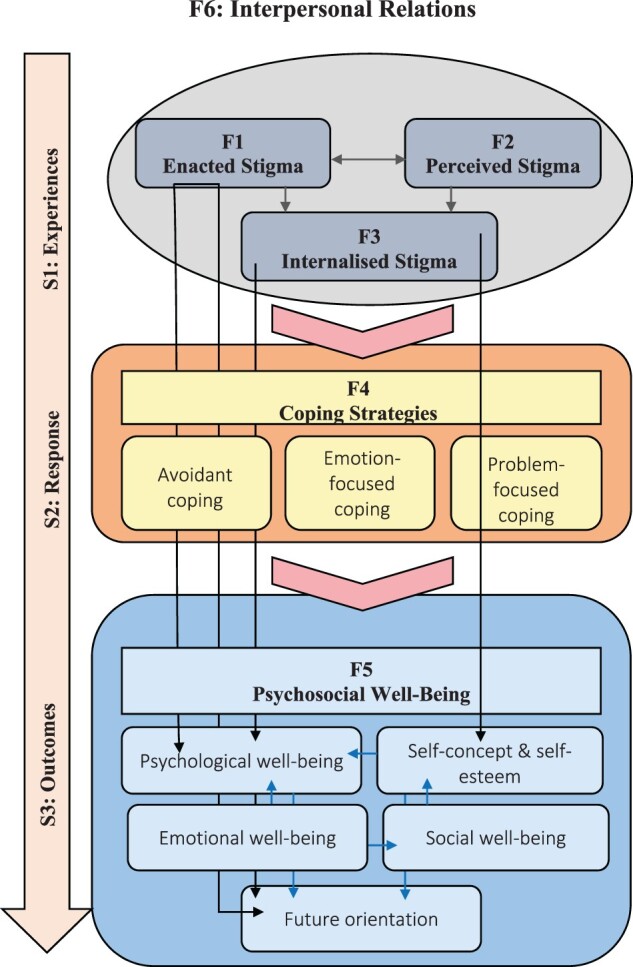
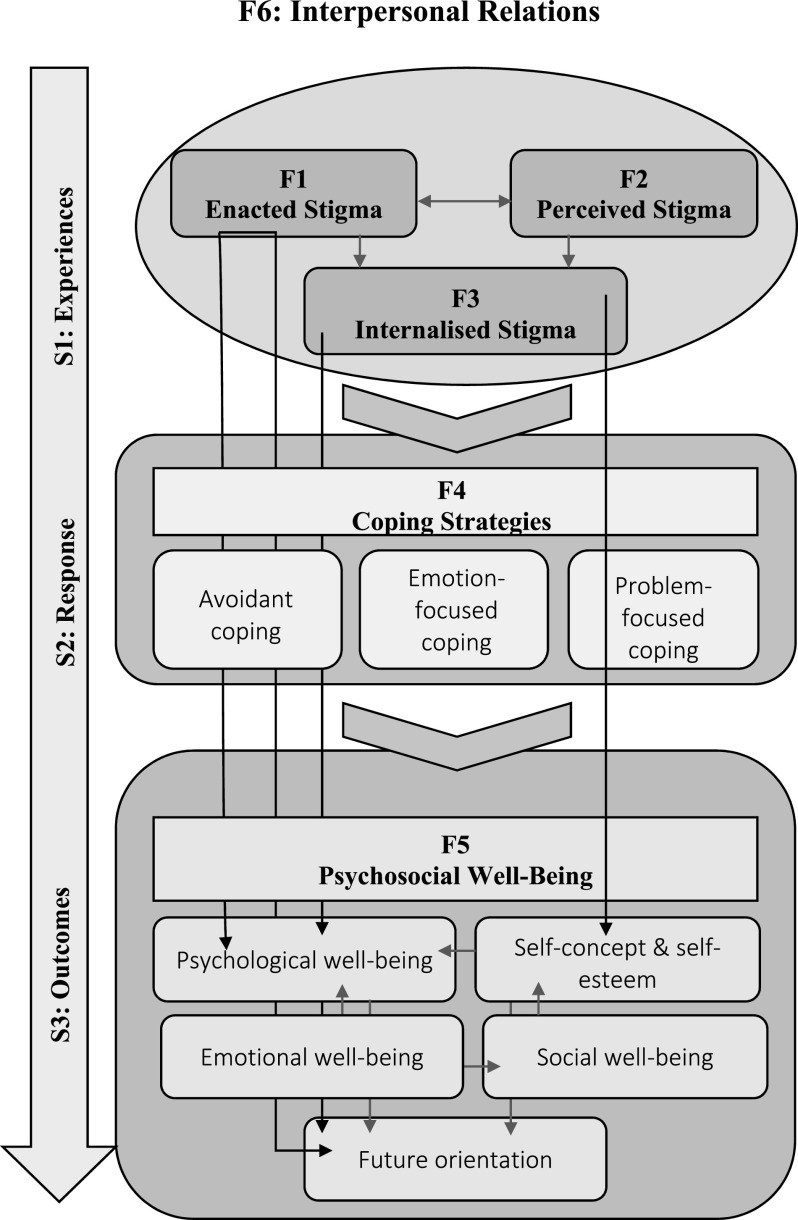
HIV-related stigma has negatively impacted the psychosocial well-being of children who have been orphaned by AIDS-related causes. Response to reducing stigma and ensuring child well-being is hindered by the limited understanding of HIV-related stigma and how it affects the psychosocial well-being of children. Due to the call for a comprehensive understanding of HIV-related stigma, this study aimed to develop a model to understand the manner in which HIV-related stigma affects the psychosocial well-being of children orphaned by AIDS. The study implemented a mixed method, exploratory, sequential design within a theory generative approach that included concept development, statement development, model description, and model evaluation. The developed model indicated that HIV-related stigma is embedded in social interaction and mediated by children orphaned by AIDS response to stigma. HIV-related stigma and maladaptive coping strategies collectively affect several domains of child psychosocial well-being and elevate psychosocial distress. This is the first model to provide a child-centred understanding of HIV-related stigma and its consequences for psychosocial well-being. The model may be used to guide future research and inform the development of appropriate interventions.
 分享
分享



 京公网安备 11010802042870号
京ICP备2023020795号-1
京公网安备 11010802042870号
京ICP备2023020795号-1

 求助内容:
求助内容: 应助结果提醒方式:
 扫码关注我们
