Louis Chauvel, Eyal Bar Haim, Anne Hartung, Emily Murphy
{"title":"二十一世纪西方国家的再健康化:中产阶级社会经济挤压的决定性趋势。","authors":"Louis Chauvel, Eyal Bar Haim, Anne Hartung, Emily Murphy","doi":"10.1186/s40711-020-00135-6","DOIUrl":null,"url":null,"abstract":"<p><p>The wealth-to-income ratio (WIR) in many Western countries, particularly in Europe and North America, increased by a factor of two in the last three decades. This represents a defining empirical trend: a rewealthization (from the French <i>repatrimonialisation)</i>-or the comeback of (inherited) wealth primacy since the mid-1990s. For the sociology of social stratification, \"occupational classes\" based on jobs worked must now be understood within a context of wealth-based domination. This paper first illustrates important empirical features of an era of rising WIR. We then outline the theory of rewealthization as a major factor of class transformations in relation to regimes stabilized in the post-WWII industrial area. Compared to the period where wealth became secondary to education and earnings for middle-class lifestyles, rewealthization steepens society's vertical structure; the \"olive-shaped\" Western society is replaced by a new one where wealth \"abundance\" at the top masks social reproduction and frustrations below.</p><p><strong>Supplementary information: </strong>The online version contains supplementary material available at 10.1186/s40711-020-00135-6.</p>","PeriodicalId":75052,"journal":{"name":"","volume":"8 1","pages":"4"},"PeriodicalIF":0.0,"publicationDate":"2021-01-01","publicationTypes":"Journal Article","fieldsOfStudy":null,"isOpenAccess":false,"openAccessPdf":"https://www.ncbi.nlm.nih.gov/pmc/articles/PMC7797273/pdf/","citationCount":"0","resultStr":"{\"title\":\"Rewealthization in twenty-first century Western countries: the defining trend of the socioeconomic squeeze of the middle class.\",\"authors\":\"Louis Chauvel, Eyal Bar Haim, Anne Hartung, Emily Murphy\",\"doi\":\"10.1186/s40711-020-00135-6\",\"DOIUrl\":null,\"url\":null,\"abstract\":\"<p><p>The wealth-to-income ratio (WIR) in many Western countries, particularly in Europe and North America, increased by a factor of two in the last three decades. This represents a defining empirical trend: a rewealthization (from the French <i>repatrimonialisation)</i>-or the comeback of (inherited) wealth primacy since the mid-1990s. For the sociology of social stratification, \\\"occupational classes\\\" based on jobs worked must now be understood within a context of wealth-based domination. This paper first illustrates important empirical features of an era of rising WIR. We then outline the theory of rewealthization as a major factor of class transformations in relation to regimes stabilized in the post-WWII industrial area. Compared to the period where wealth became secondary to education and earnings for middle-class lifestyles, rewealthization steepens society's vertical structure; the \\\"olive-shaped\\\" Western society is replaced by a new one where wealth \\\"abundance\\\" at the top masks social reproduction and frustrations below.</p><p><strong>Supplementary information: </strong>The online version contains supplementary material available at 10.1186/s40711-020-00135-6.</p>\",\"PeriodicalId\":75052,\"journal\":{\"name\":\"\",\"volume\":\"8 1\",\"pages\":\"4\"},\"PeriodicalIF\":0.0,\"publicationDate\":\"2021-01-01\",\"publicationTypes\":\"Journal Article\",\"fieldsOfStudy\":null,\"isOpenAccess\":false,\"openAccessPdf\":\"https://www.ncbi.nlm.nih.gov/pmc/articles/PMC7797273/pdf/\",\"citationCount\":\"0\",\"resultStr\":null,\"platform\":\"Semanticscholar\",\"paperid\":null,\"PeriodicalName\":\"\",\"FirstCategoryId\":\"90\",\"ListUrlMain\":\"https://doi.org/10.1186/s40711-020-00135-6\",\"RegionNum\":0,\"RegionCategory\":null,\"ArticlePicture\":[],\"TitleCN\":null,\"AbstractTextCN\":null,\"PMCID\":null,\"EPubDate\":\"2021/1/11 0:00:00\",\"PubModel\":\"Epub\",\"JCR\":\"\",\"JCRName\":\"\",\"Score\":null,\"Total\":0}","platform":"Semanticscholar","paperid":null,"PeriodicalName":"","FirstCategoryId":"90","ListUrlMain":"https://doi.org/10.1186/s40711-020-00135-6","RegionNum":0,"RegionCategory":null,"ArticlePicture":[],"TitleCN":null,"AbstractTextCN":null,"PMCID":null,"EPubDate":"2021/1/11 0:00:00","PubModel":"Epub","JCR":"","JCRName":"","Score":null,"Total":0}
Rewealthization in twenty-first century Western countries: the defining trend of the socioeconomic squeeze of the middle class.
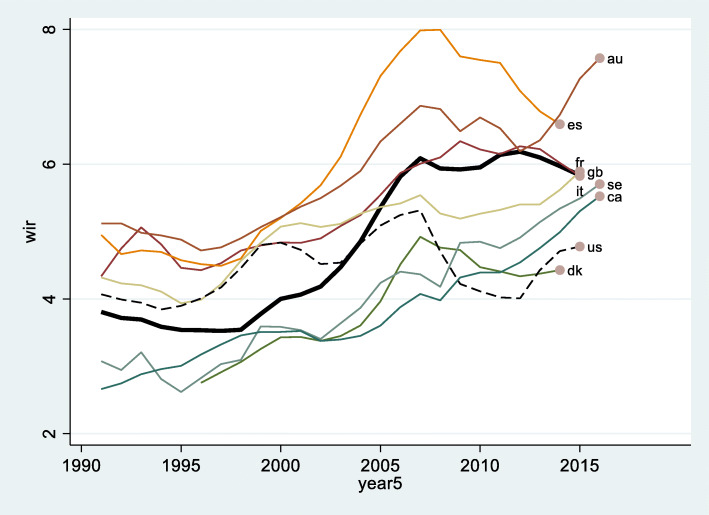
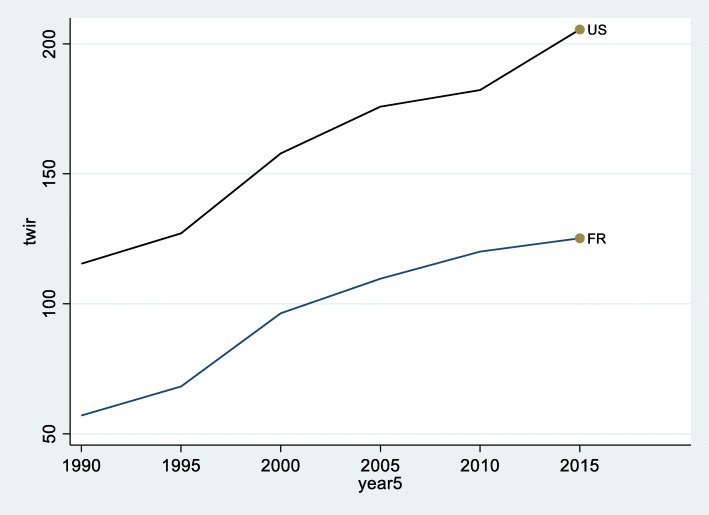
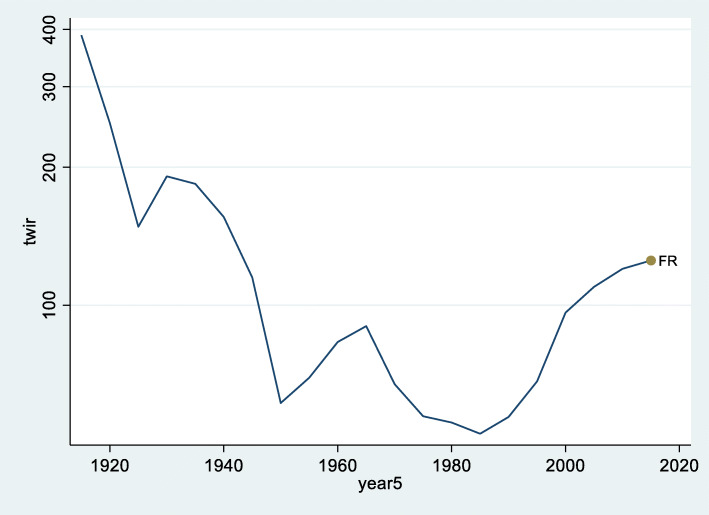
The wealth-to-income ratio (WIR) in many Western countries, particularly in Europe and North America, increased by a factor of two in the last three decades. This represents a defining empirical trend: a rewealthization (from the French repatrimonialisation)-or the comeback of (inherited) wealth primacy since the mid-1990s. For the sociology of social stratification, "occupational classes" based on jobs worked must now be understood within a context of wealth-based domination. This paper first illustrates important empirical features of an era of rising WIR. We then outline the theory of rewealthization as a major factor of class transformations in relation to regimes stabilized in the post-WWII industrial area. Compared to the period where wealth became secondary to education and earnings for middle-class lifestyles, rewealthization steepens society's vertical structure; the "olive-shaped" Western society is replaced by a new one where wealth "abundance" at the top masks social reproduction and frustrations below.
Supplementary information: The online version contains supplementary material available at 10.1186/s40711-020-00135-6.




 京公网安备 11010802042870号
京ICP备2023020795号-1
京公网安备 11010802042870号
京ICP备2023020795号-1

 分享
分享
 求助内容:
求助内容: 应助结果提醒方式:
 扫码关注我们
